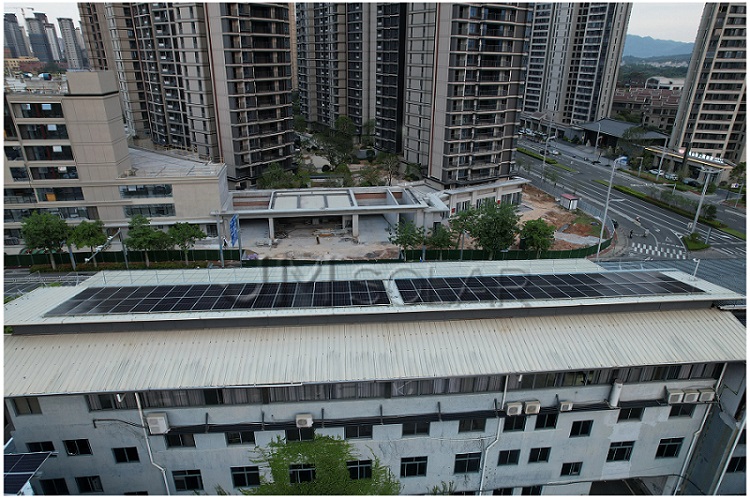
What Makes Carbon Steel the Ideal Material for Solar Structures?

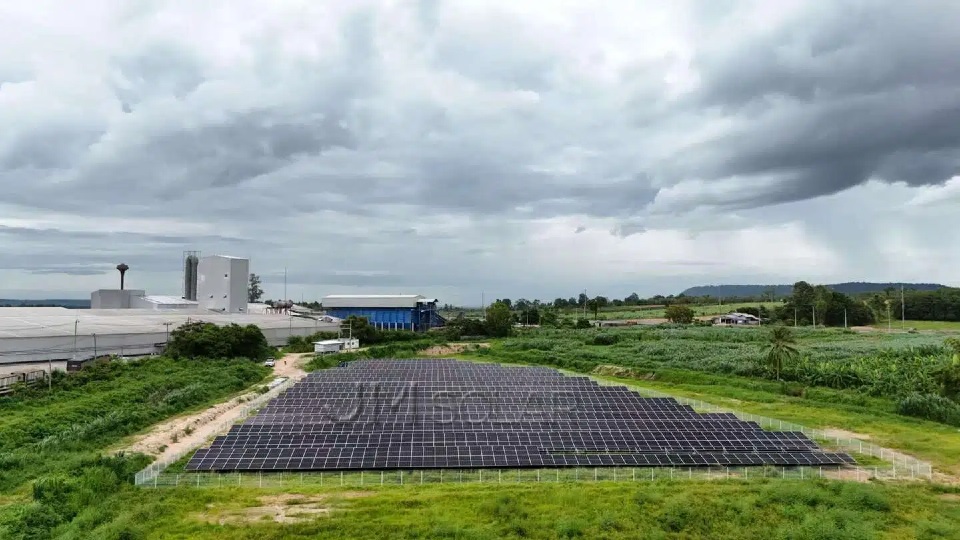
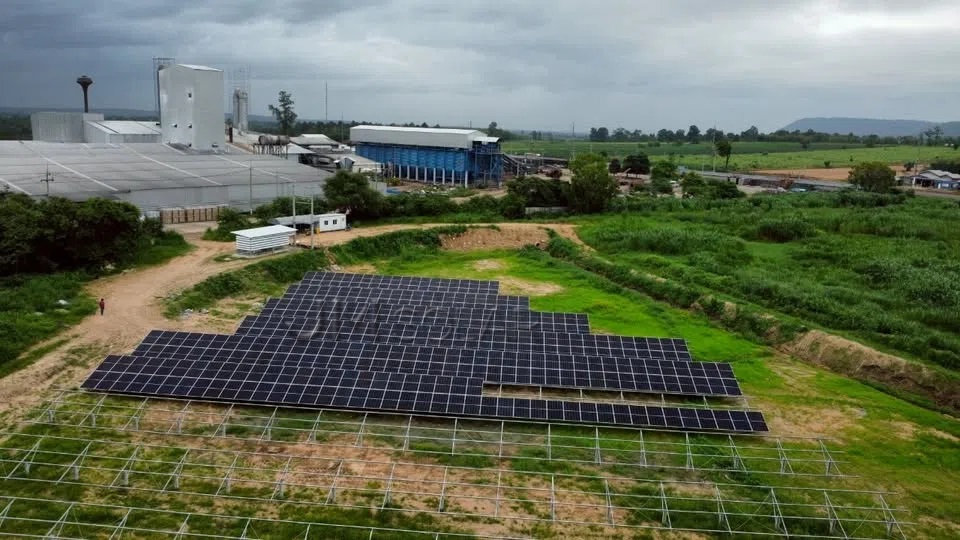
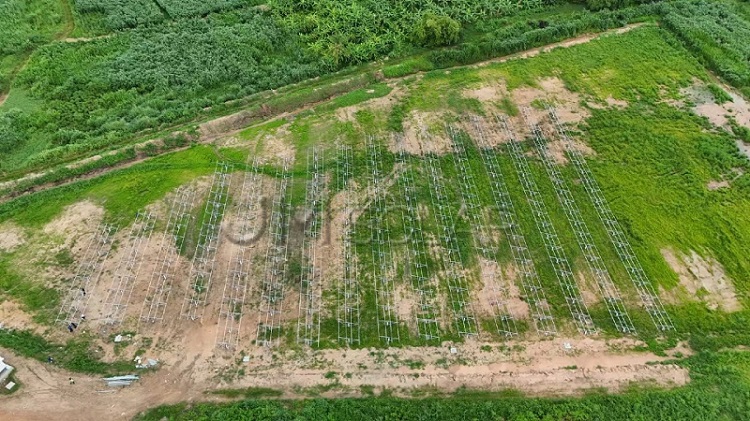
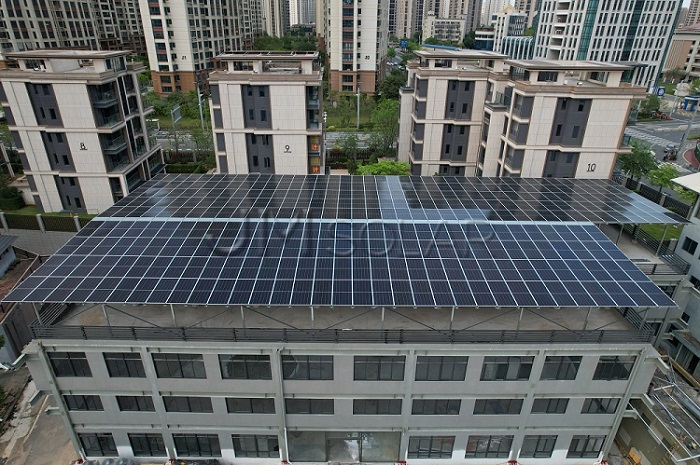
As the global solar industry continues to grow, selecting the right materials for solar mounting structures has become more crucial than ever. Among the various options available, carbon steel consistently stands out as the ideal material for supporting photovoltaic (PV) systems. But what makes carbon steel such a popular choice in solar infrastructure?


carbon steel solar mount


1. Strength and Load-Bearing Capacity

Solar structures must withstand wind, snow, and dynamic environmental stresses over decades. Carbon steel offers high tensile strength and excellent load-bearing capacity, making it reliable for both ground-mount and rooftop systems. Its structural integrity ensures that panels stay firmly in place even under harsh conditions.


2. Cost-Effectiveness

Compared to aluminum or stainless steel, carbon steel provides a superior strength-to-cost ratio. This allows solar developers to reduce material costs without compromising on performance. Especially in large-scale solar farms, choosing carbon steel can significantly improve project economics.


solar ground mount supplier


3. Versatility in Fabrication

Carbon steel is highly workable—it can be cut, welded, drilled, and formed into complex shapes with precision. This flexibility supports custom design needs for various terrains and installation types, whether flat, sloped, or uneven.


4. Surface Treatment Options for Corrosion Resistance

One common concern with carbon steel is corrosion. However, with modern surface treatments like:

Hot-dip galvanizing

Zinc-aluminum-magnesium (Zn-Al-Mg) coatings

Powder coating or epoxy painting

…carbon steel achieves long-term corrosion resistance, even in coastal or high-humidity regions. These treatments extend the service life of the structure to 25 years or more, aligning with the lifespan of PV modules.


solar bracket


5. Sustainability

Carbon steel is fully recyclable and widely available, making it a sustainable choice for green energy projects. Many manufacturers also incorporate recycled steel in production, reducing the environmental footprint of solar mounting systems.


6. Proven Track Record

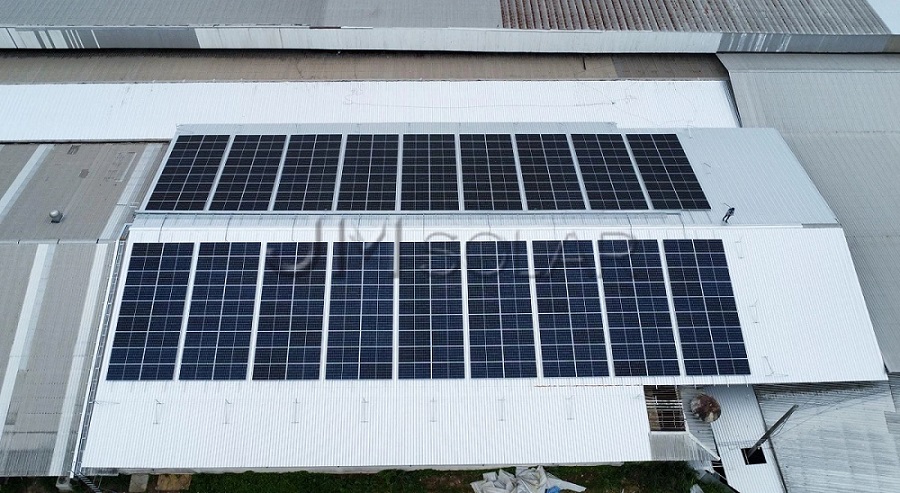
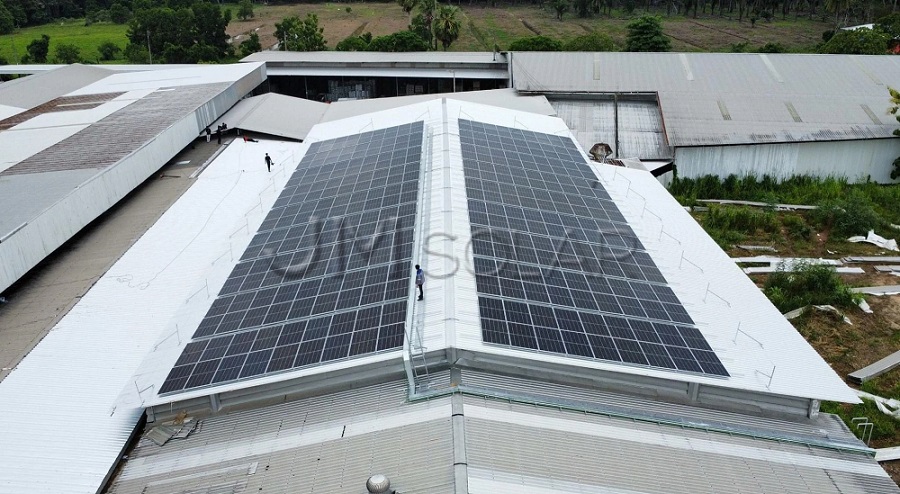
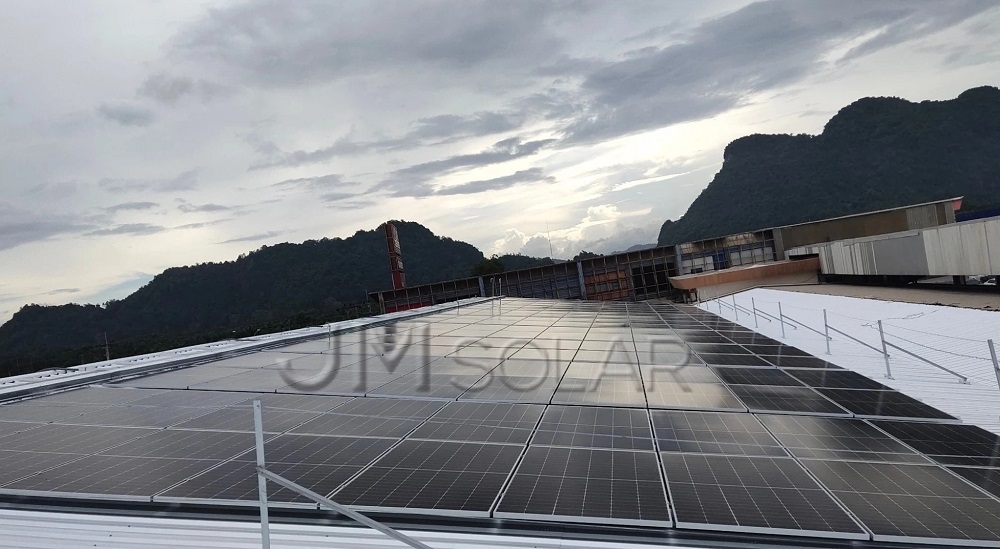
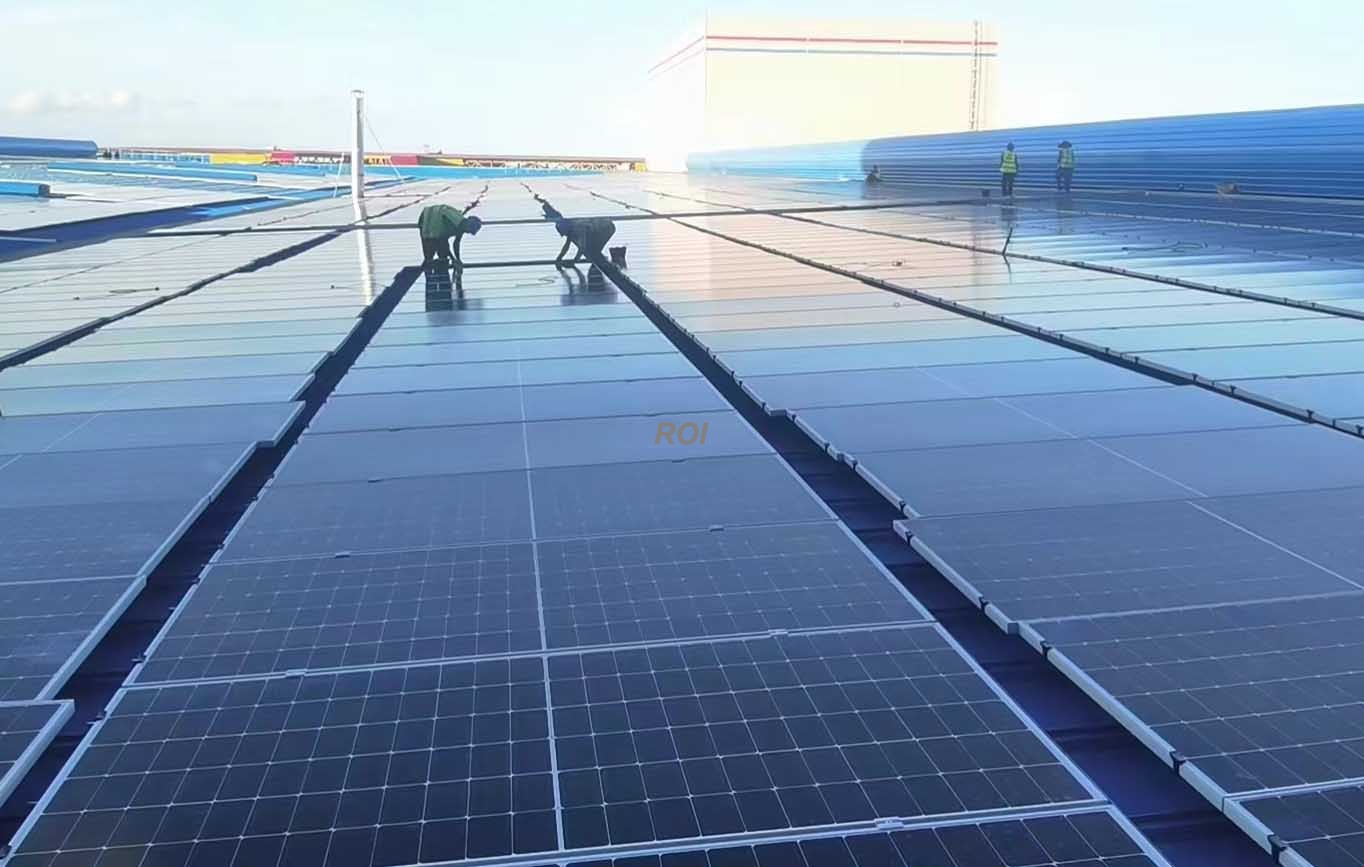
From desert solar farms in the Middle East to rooftop installations in Southeast Asia, carbon steel has proven its reliability across diverse climates and environments. It’s a material that project developers, EPCs, and installers trust.


Conclusion

Carbon steel strikes the perfect balance between performance, cost, and durability. When paired with the right surface treatment and engineering design, it becomes a resilient backbone for solar structures—supporting the energy transition with strength and sustainability.

Looking for reliable carbon steel solar mounting solutions?
Xiamen TopFence Co., Ltd. offers expertly designed, corrosion-resistant systems tailored for your solar project needs.

Why Are More EPCs Choosing C-Channel Steel for Ground Mounting?

As solar energy continues to grow worldwide, Engineering, Procurement, and Construction (EPC) firms are under increasing pressure to deliver projects that are not only cost-effective but also durable, quick to install, and easy to maintain. One solution rising to the top of their list is the use of C-channel steel in ground mounting systems.

But why are more EPCs making the switch to C-channel structures? Let’s break down the key reasons.


solar mount


1. Proven Structural Performance

C-channel steel is known for its excellent strength-to-weight ratio, making it a popular choice for solar mounting structures that need to withstand wind loads, snow loads, and seismic conditions. The shape provides inherent stability, reducing the amount of material needed without compromising on load-bearing capacity.

Efficient support for long PV module rows

Ideal for both pile-driven and concrete foundations

Performs well on uneven or sloped terrain


2. Cost-Effective and Scalable

Compared to other structural profiles such as H-beams or custom-fabricated solutions, C-channel steel offers significant material and labor savings. Its standardized dimensions and mass production make it ideal for large-scale solar farms.

Lower material costs

Faster fabrication and delivery

Reduced on-site labor hours


solar ground mount


3. Fast and Flexible Installation

With a modular design and bolt-together assembly, C-channel ground mounts allow EPC teams to install quickly and efficiently, especially when deadlines are tight.

Compatible with various module layouts (portrait or landscape)

Simplifies inventory management

Fewer custom components needed


4. Compatibility with ZAM and Hot-Dip Galvanized Coatings

To ensure longevity in outdoor environments, many C-channel structures are made from ZAM coated steel or hot-dip galvanized steel. These coatings offer long-lasting corrosion resistance, especially in harsh climates.

Excellent performance in coastal or high-humidity areas

Low maintenance requirements over 25+ years

Improved ROI due to reduced degradation


ground mount solar system supplier


5. Trusted by the Industry

More EPCs are choosing C-channel ground mounts because the results speak for themselves. These systems have been widely adopted in Asia, Europe, and North America, earning a reputation for reliability and versatility.


Final Thought

In a fast-moving industry where every dollar and day counts, C-channel steel offers the ideal balance of strength, efficiency, and cost control. That’s why leading EPCs around the world are making it their go-to choice for ground-mounted solar projects.

Why Are Grounding Washers Essential in Solar Mounting Systems?

When installing solar PV systems, we often focus on module efficiency, mounting strength, and cable routing. But what about electrical grounding? Specifically, have you ever asked:

How do you ensure a reliable, long-lasting ground path between solar modules and mounting rails—especially in outdoor, corrosive environments?

The answer lies in one small but powerful component:

The Grounding Washer.


grounding washer for solar 


What Is a Grounding Washer?

A grounding washer is a thin metal disc inserted between the solar module frame and the pv mounting rail. While it may look simple, this small part plays a critical role in the electrical integrity of the entire PV system.


Why Stainless Steel SUS304?

The grounding washer we use is made from SUS304 stainless steel, a material known for:

Excellent corrosion resistance, ideal for long-term outdoor exposure

High mechanical strength, maintaining pressure over time

Natural silver finish, with no added coatings to degrade or peel

By using raw stainless steel, we avoid surface treatments that might interfere with metal-to-metal conductivity.


grounding clip for solar  


How Does It Work?

When inserted between the anodized aluminum frame of the solar module and the solar mounting rail, the grounding washer’s teeth bite through the anodized layer. This creates a metallic connection that:

Enables efficient current flow

Prevents oxidation or corrosion at the contact point

Unifies the module and rail into a single conductive structure

This effectively establishes a grounding electrical path without requiring additional wires or bonding jumpers.


Why Is This Important?

A reliable ground connection ensures:

Electrical safety during operation

Protection against static buildup

Reduced risk of current leakage or arc faults

Compliance with international electrical codes (e.g. NEC, IEC)

In environments prone to humidity, dust, or salt air—such as coastal or desert regions—the grounding washer becomes even more critical.


solar grounding clip  


What Happens Without Proper Grounding?

Ground faults may not trip properly

Electrical surges could damage equipment

Modules may fail compliance checks during inspection

Long-term degradation could cause system instability or safety risks


Final Question: Are You Grounding Your PV System the Right Way?

The humble grounding washer may not make headlines, but it’s one of the unsung heroes of a safe and efficient solar installation. Choosing the right material and design—like our SUS304 stainless steel washer—can make the difference between a reliable system and an unpredictable one.

Need grounding solutions for your solar projects?
Contact our business team to learn more about our PV accessories and how to build safer, smarter systems.

Why Are More Solar Projects Choosing Helical Piles as Their Foundation?

As global solar deployment accelerates, project developers are increasingly focused on construction efficiency, structural reliability, and environmental sustainability. In this evolving landscape, one type of foundation has been gaining attention for its unique advantages—Helical Piles.

Simple in form, powerful in function — helical piles are changing the way solar foundations are built. But what makes them so effective for solar projects? Let’s explore.


screw pile foundation helix ground 


1. Structural Stability: A Solid Foundation for Solar Systems

In solar installations, helical piles serve as the primary structural foundation, transferring loads from the PV modules and racking systems deep into the subsoil.

Thanks to their screw-like design, they offer excellent resistance to:

Heavy wind loads (e.g., in coastal or open-field sites)

Rainstorms and flash flooding

Snow accumulation and freeze-thaw cycles

This ensures your solar system remains secure and undamaged even under harsh weather conditions.


2. Fast & Simple Installation: No Concrete, No Curing

Unlike traditional foundations such as concrete caissons or driven precast piles, helical piles require:

No drilling mud

No steel reinforcement

No concrete pouring or curing time

They are installed by screwing directly into the ground using specialized machinery, much like driving a screw into wood.

A skilled crew can install a pile in just a few minutes, dramatically shortening project timelines and reducing labor costs.


spiral ground screw pile


3. Environmentally Friendly: Low Impact, Low Disturbance

Helical piles support the development of green energy through green construction. Their benefits include:

Minimal soil excavation and disturbance

No wastewater or excess material

Low noise, no pollution

They are especially suitable for:

Agricultural land (agri-PV)

Fragile ecosystems and grasslands

Projects with strict environmental regulations

Less disruption means better site preservation and smoother permitting.


4. High Adaptability: One Solution for Diverse Terrains

From flat fields to rocky slopes, helical piles excel across a wide range of soil and terrain types, including:

Clay, silt, and sand

Coastal saline soils and wetland mud

Deserts, hills, and frozen ground

Pile dimensions — including length, diameter, and pitch — can be customized to match geotechnical conditions, ensuring reliable load-bearing performance.

 earth screw ground anchors


5. Competitive Cost: Savings Across the Project Lifecycle

The total cost of a solar foundation is not just about materials — it’s also about:

Speed of installation

Labor intensity

Ongoing maintenance

Helical piles deliver in all areas:

Lower upfront material and transport costs

Faster installation means fewer labor hours

Long service life with minimal maintenance

The result? A lower Levelized Cost of Energy (LCOE) for your solar project.


Final Thoughts: Why Helical Piles? The Results Speak for Themselves

With their mechanical simplicity, installation efficiency, environmental benefits, and cost advantages, helical piles are becoming the foundation of choice for solar projects worldwide.

From deserts to wetlands, from utility-scale to distributed systems—

Helical piles are helping solar developers build faster, build smarter, and build sustainably.


Looking for helical pile solutions for your next PV project?
Contact our business team today for tailored support, technical drawings, and pricing.

Why Are More Solar Farms Using Protective Mesh These Days?

As solar farms expand rapidly around the world, ensuring long-term system reliability and safety has become a growing priority. In this context, protective mesh is becoming an increasingly common feature in modern PV installations. But why is it gaining so much attention?


1. Protecting Cables from Animals

In ground-mounted solar farms, especially in rural or remote areas, animals such as rabbits, snakes, or rodents may enter the site and chew on cables or nest inside cable trays, leading to faults, short circuits, or even fire hazards.
Protective mesh helps seal off cable trays and wiring pathways, reducing the risk of damage and improving system reliability.


mesh fencing for solar  


2. Enhancing Safety by Restricting Access

High-voltage equipment is commonly found in inverter stations, combiner box areas, or substations. Installing fencing or mesh barriers around these zones helps prevent unauthorized or accidental access, ensuring a safer environment for construction and O&M (operation and maintenance) personnel.


3. Environmental Protection: Wind, Dust, and Falling Objects

In some cases, protective mesh—often made of stainless steel wire or perforated panels—can help shield sensitive components from wind, dust, or debris. This is particularly valuable in sandy or high-wind regions, helping to extend the lifespan of solar equipment by creating a more stable operating environment.


mesh fencing for solar mount 


4. Improved Site Management and Professional Appearance

As the solar industry matures, more developers are emphasizing site standardization and visual management. Clean, well-installed mesh fencing not only reflects higher construction quality but also improves the overall appearance of the project site—an important factor for inspections, certifications, or investor visits.


5. Durable Materials, Easy Installation, Low Maintenance

Today’s protective mesh products are typically made of stainless steel, galvanized wire, or PVC-coated steel, providing excellent resistance to corrosion, UV, and weather exposure. Many systems are modular and easy to install, with minimal maintenance required—offering excellent cost-performance value.


Solar Farm Security Fencing  


Conclusion:
Small detail, big impact—protective mesh plays a vital role in ensuring the safety and efficiency of solar farms.

At Xiamen TopFence Co., Ltd., we provide a full range of solar mounting accessories, including protective mesh for cable trays, inverter fencing, and customized safety solutions—all designed to help your PV project run more smoothly and safely for years to come.

ZAM Coated Steel + C-Channels The Future of Ground Mounts?

As the global solar industry rapidly expands, the demand for durable, cost-effective, and easy-to-install mounting structures has never been higher. One combination that’s gaining significant attention among EPCs, developers, and installers is the use of ZAM coated steel with C-channel ground mounts. But is this truly the future of solar ground mounting? Let’s explore.


How to install ground mount solar panels


What Is ZAM Coated Steel?

ZAM coated steel refers to a steel substrate coated with a special alloy of zinc (Zn), aluminum (Al), and magnesium (Mg). This advanced coating offers exceptional corrosion resistance, often outperforming traditional hot-dip galvanized steel—especially in harsh environments such as coastal or high-humidity regions.

Key Benefits:

Superior corrosion resistance (up to 20 times better than galvanized steel)

Self-healing properties at cut edges and scratches

Longer service life with reduced maintenance

Ideal for outdoor solar installations


Best materials for solar racking


Why Combine ZAM Steel with C-Channels?

C-channel ground mounts have long been favored for their structural strength, lightweight profile, and cost efficiency. When paired with ZAM coated steel, the system achieves a new level of durability and performance.

The Perfect Match:

C-channels offer excellent load-bearing capacity while minimizing material use.

The modular design of C-channel systems supports quick installation and flexibility on uneven terrain.

When made from ZAM steel, the mounts resist corrosion even in challenging soil or weather conditions.

Application Scenarios

This combination is especially suited for:

Utility-scale solar farms

Mountain or coastal solar installations

Agricultural or industrial PV projects with long service life expectations


Ground-mounted solar panel foundation types


Is This the Future?

With material costs rising and land conditions becoming more complex, the industry is shifting toward solutions that combine longevity, reliability, and ease of deployment. ZAM coated C-steel structures check all those boxes. More developers are turning to this solution not only for performance but also for its lower lifecycle cost.


Final Thoughts

If you're planning a ground-mounted solar project, consider upgrading to ZAM steel + C-channel structures. It's not just a trend—it could be the new standard for high-performance, long-lasting solar mounting systems.

Steel or Aluminum What's the Best Choice for Solar Ground Mounting?

When designing a solar ground mount system, one of the most critical decisions is choosing between steel and aluminum structures. Both materials have distinct advantages that make them suitable for different photovoltaic (PV) projects. This article compares their strength, cost, durability, and installation factors to help you select the optimal solution for your solar racking needs.


solar ground mount


1. Material Strength & Structural Performance

Steel Solar Mounts (Including C-Shaped & U-Shaped)

Higher load capacity - Ideal for areas with heavy snow or wind loads

Greater structural rigidity - Less prone to bending or deformation

Thicker profiles available - Can support larger solar panel arrays

Aluminum Solar Racking

Lighter weight - Approximately 1/3 the weight of steel

Good strength-to-weight ratio - Suitable for most standard installations

Flexible designs - Easier to work with for custom configurations


steel ground mount for solar


2. Cost Comparison: Upfront vs Long-Term Value

Steel Structures

Lower initial cost (20-40% cheaper than aluminum)

Higher transportation costs due to heavier weight

Potential long-term savings from extended durability

Aluminum Racking

Higher material cost but may reduce installation expenses

Lower shipping costs due to lightweight nature

Minimal maintenance requirements can offset initial price


3. Corrosion Resistance & Longevity

Steel Solar Mounting Systems

Requires protective coatings (galvanization or powder coating)

25-30 year lifespan with proper treatment

More susceptible to rust in coastal/high-humidity areas

Aluminum Solar Structures

Naturally corrosion-resistant - No coatings needed

30+ year lifespan in most environments

Ideal for coastal regions with saltwater exposure


ground mount for solar panel  


4. Installation & Maintenance Factors

Feature

Steel Mounts

Aluminum Racks

Weight

Heavy (needs more labor)

Light (easier handling)

Assembly

Bolted connections

Often snap-together designs

Field Adjustments

More difficult

Easier to modify

Maintenance

Coating inspections needed

Virtually maintenance-free


5. Which Material is Right for Your Project?

Choose Steel When:

Building large utility-scale solar farms

Operating in regions with extreme weather

Prioritizing lowest upfront costs

Needing maximum structural strength

Choose Aluminum When:

Installing in coastal or high-corrosion areas

Working with complex terrain or rooftop hybrids

Valuing lightweight, easy-to-install systems

Willing to pay premium for long-term durability


solar panel ground mounting system


Conclusion: Balancing Performance & Budget

Both steel and aluminum solar mounting structures have their place in today's PV industry. Steel remains the cost-effective workhorse for massive solar farms, while aluminum offers superior corrosion resistance and installation advantages.

Emerging solutions like aluminum-coated steel and hybrid systems are bridging the gap between these materials. The best choice ultimately depends on your project location, budget, and performance requirements.

Key Decision Factors:
Project scale (utility vs commercial)
Environmental conditions (coastal, snowy, etc.)
Budget constraints (upfront vs lifecycle costs)
Installation logistics (site accessibility)


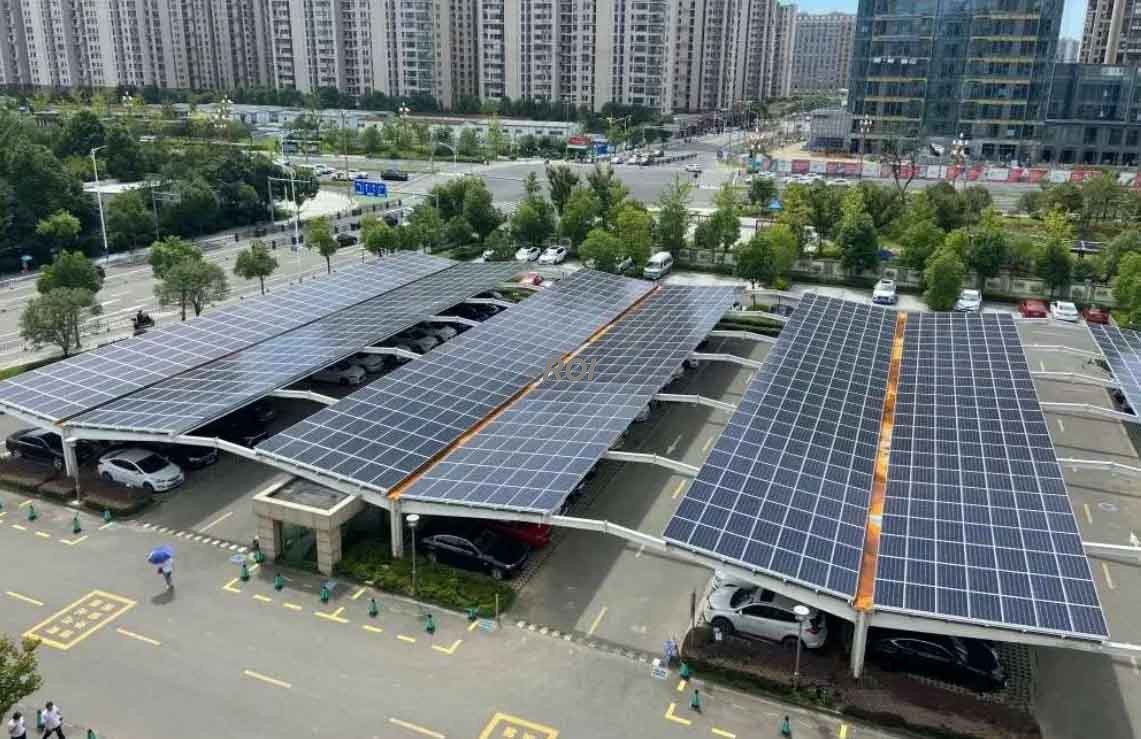
How Can Carbon Steel Carports Cut Your Energy Costs?

In today’s world of rising electricity prices and growing environmental awareness, finding effective ways to reduce energy costs is more important than ever. One increasingly popular solution for homeowners and businesses alike is the carbon steel solar carport—a durable, cost-effective structure that not only provides shelter for vehicles but also supports solar panel installations.


carbon steel solar carports for commercial use


What Is a Carbon Steel Solar Carport?

A carbon steel solar carport is a parking shelter made from strong, corrosion-resistant carbon steel. Unlike traditional carports, these structures are specifically designed to integrate solar panels on the rooftop, turning unused parking areas into efficient, clean energy generators.


1. Dual Functionality Saves Space and Money

Installing solar panels on a roof requires space—not always easy to find in urban environments. A solar carport solves this problem by combining parking and energy generation in one footprint. Instead of building a separate ground-mounted solar system, you save money on land use and construction.


2. Generate Renewable Energy On-Site

By installing photovoltaic (PV) panels on your carport, you can produce clean electricity right where you use it—at home, in a commercial complex, or at an industrial site. This can significantly reduce your reliance on grid electricity, cutting monthly power bills.

For businesses, especially those with large parking areas, the savings can be substantial over time.


strong solar carport material for parking lots 


3. Reduce Peak Demand Charges

Solar carports generate power during the day, often when electricity rates are at their peak. By offsetting peak demand, they help you avoid expensive charges from your utility provider. This is especially beneficial in sunny climates, where solar energy production is maximized.


4. Long-Term Durability, Low Maintenance

Carbon steel is known for its strength and long lifespan. With proper surface treatment—such as galvanizing or zinc-aluminum-magnesium coating—carbon steel structures can withstand harsh weather with minimal maintenance, making them an economical choice in the long run.


5. Government Incentives and Tax Benefits

In many countries, installing solar infrastructure comes with government subsidies, tax credits, or feed-in tariffs. By using a solar carport system, you may be eligible for these incentives, further reducing your investment costs and speeding up ROI.


corrosion-resistant carbon steel solar carports 


6. Increased Property Value

Sustainable energy solutions like solar carports can enhance the value of your property. They improve the site’s functionality, offer eco-credentials, and appeal to environmentally conscious buyers or tenants.


Final Thoughts

Carbon steel pv carports are more than just vehicle shelters—they are smart energy investments. By generating renewable electricity, reducing grid dependence, and making use of otherwise underutilized space, they offer a practical and profitable way to cut energy costs.

If you're considering a solar upgrade, a carbon steel carport could be the perfect place to start.

How Do Flat Roof Solar Mounting Systems Perform in Extreme Heat?

Insights from the Middle East Climate

In the sun-drenched lands of the Middle East, solar energy holds tremendous promise. With high solar irradiation levels year-round, countries like the UAE, Saudi Arabia, Oman, and Kuwait are rapidly expanding their solar power infrastructure. But as temperatures often soar above 45°C (113°F) during summer months, a critical question arises:

How well do flat roof solar mounting systems perform in such extreme heat?


 ballasted mounting systems 


1. Thermal Durability of Mounting Structures

Flat roof solar mounting systems, particularly those made from anodized aluminum alloys and hot-dip galvanized steel, are engineered to withstand wide temperature fluctuations. In the Middle East, where rooftop surfaces can exceed 70°C under direct sunlight, high-quality mounting systems are:

Heat-resistant: Aluminum and steel retain structural integrity even under prolonged heat exposure.

UV-stable: Coatings and materials are designed to resist degradation from intense UV radiation.

Non-corrosive: In coastal cities like Dubai or Doha, anti-corrosion treatments (e.g., anodizing, zinc-magnesium coatings) prevent rust and oxidation.


2. Thermal Expansion Considerations

In extreme heat, materials expand. That’s a basic law of physics — and one solar engineers must account for.
A robust flat roof mounting system includes:

Thermal expansion joints: These allow rail sections to expand/contract without warping or stressing modules.

Slotted holes and flexible connectors: These features ensure the pv mounting system remains secure yet adaptable.

Without these, daily thermal cycling could cause fastener loosening or long-term fatigue.


 flat roof solar mounts 


3. Elevated Design for Ventilation

Heat doesn't just affect the mounting frame — it also impacts solar module performance. Solar panels operate more efficiently at lower temperatures. That’s why:

Flat roof systems in the Middle East often adopt elevated or tilt-up designs, allowing natural air circulation beneath the modules.

This passive cooling reduces module surface temperature by several degrees, improving energy yield by 5–10% in some cases. Tilted designs also help minimize dust accumulation, a major concern in desert climates.


4. Fire Safety in High-Heat Environments

In scorching urban rooftops, especially near HVAC systems or industrial units, fire resistance becomes critical. Solar panel mounting systems must:

Use non-combustible materials

Maintain proper cable routing with UV- and heat-resistant cable trays

Integrate thermal isolators between metal and roofing membranes to avoid heat damage


Flat Roof Solar Mounting with Ballast


5. Compatibility with Local Roof Types

Middle Eastern flat roofs typically feature:

Concrete surfaces

Bituminous or waterproof membranes

Lightweight insulation layers

Flat roof solar systems must adapt to these conditions using ballast-mounted, non-penetrating, or chemically anchored solutions, depending on structural loading limits and waterproofing requirements.


Performance in Real-World Middle Eastern Projects

Projects across Riyadh, Abu Dhabi, and Muscat have shown that:

Properly designed systems maintain mechanical stability and energy output consistency even in +50°C environments.

Zinc-Aluminum-Magnesium (ZAM) coatings are gaining popularity due to superior heat and corrosion resistance.

Use of FRP walkways and heat-resistant cable trays improves overall maintenance and safety under harsh sun.


Solar Mount for Flat Roof


Conclusion: Built for the Heat

Modern flat roof solar mounting systems — when designed with heat in mind — not only survive the Middle East's brutal summers, but thrive. Material choice, ventilation design, structural anchoring, and expansion flexibility all play key roles.

As solar adoption grows across the Gulf region, choosing a high-quality, heat-resilient solar mounting solution will be essential for maximizing return on investment and ensuring long-term safety and performance.

How Does a ZAM Walkway Improve Safety and Durability in Solar Installations?

When it comes to solar power system design, safety and durability are always top priorities for engineers and investors. One often overlooked but critical component of a well-functioning PV system is the maintenance walkway. A walkway made from ZAM (Zinc-Aluminum-Magnesium alloy coated steel) not only enhances structural integrity but also provides exceptional corrosion resistance in harsh environments.


maintenance walkway supplier 


What Is ZAM Material?

ZAM is a high-performance steel coated with a mixture of Zinc (Zn), Aluminum (Al), and Magnesium (Mg). It’s widely used in construction, transportation, energy, and now increasingly in solar projects, thanks to its superior corrosion resistance and mechanical strength.


1. The Role of ZAM Walkways in Solar Systems

Safe Maintenance Access

As solar arrays become denser, safe access for cleaning and inspection becomes more challenging. ZAM walkways offer a sturdy, anti-slip platform for O&M (Operations and Maintenance) personnel, reducing the risk of stepping on or damaging the PV modules.

Outstanding Corrosion Resistance

Compared to conventional galvanized steel, ZAM performs significantly better in coastal, high-humidity, and chemically aggressive environments, ensuring long-term reliability with minimal maintenance.

High Structural Strength

ZAM walkways are often designed using FRP (Fiberglass Reinforced Plastic) gratings or metal grids, offering a strong yet lightweight solution compatible with various roof types such as metal rooftops or concrete roofs.


FRP gratings supplier


2. Long-Term Benefits of Using ZAM Walkways


Feature Regular Walkway ZAM Walkway
Service Life 5–8 years Over 15 years
Corrosion Resistance Moderate Excellent
Maintenance Safety Limited High
Replacement Frequency High Very low
Total Cost of Ownership Seemingly low upfront, high long-term Higher upfront, low long-term


3. Application Case Study

As shown in the image above, installing ZAM walkways in rooftop PV projects allows for precise placement between module rows. This not only maintains full exposure to sunlight but also creates a neat, sturdy, and visually appealing maintenance path.


solar walkway


4. Conclusion

In solar O&M operations, a ZAM walkway is more than just a path — it’s a commitment to safety and quality. Choosing ZAM material is not only a sign of dedication to engineering excellence but also a show of respect for the maintenance team and long-term investment returns.

If you're looking for a high-durability, low-maintenance walkway solution for your solar system, ZAM walkways are undoubtedly a top choice worth considering.