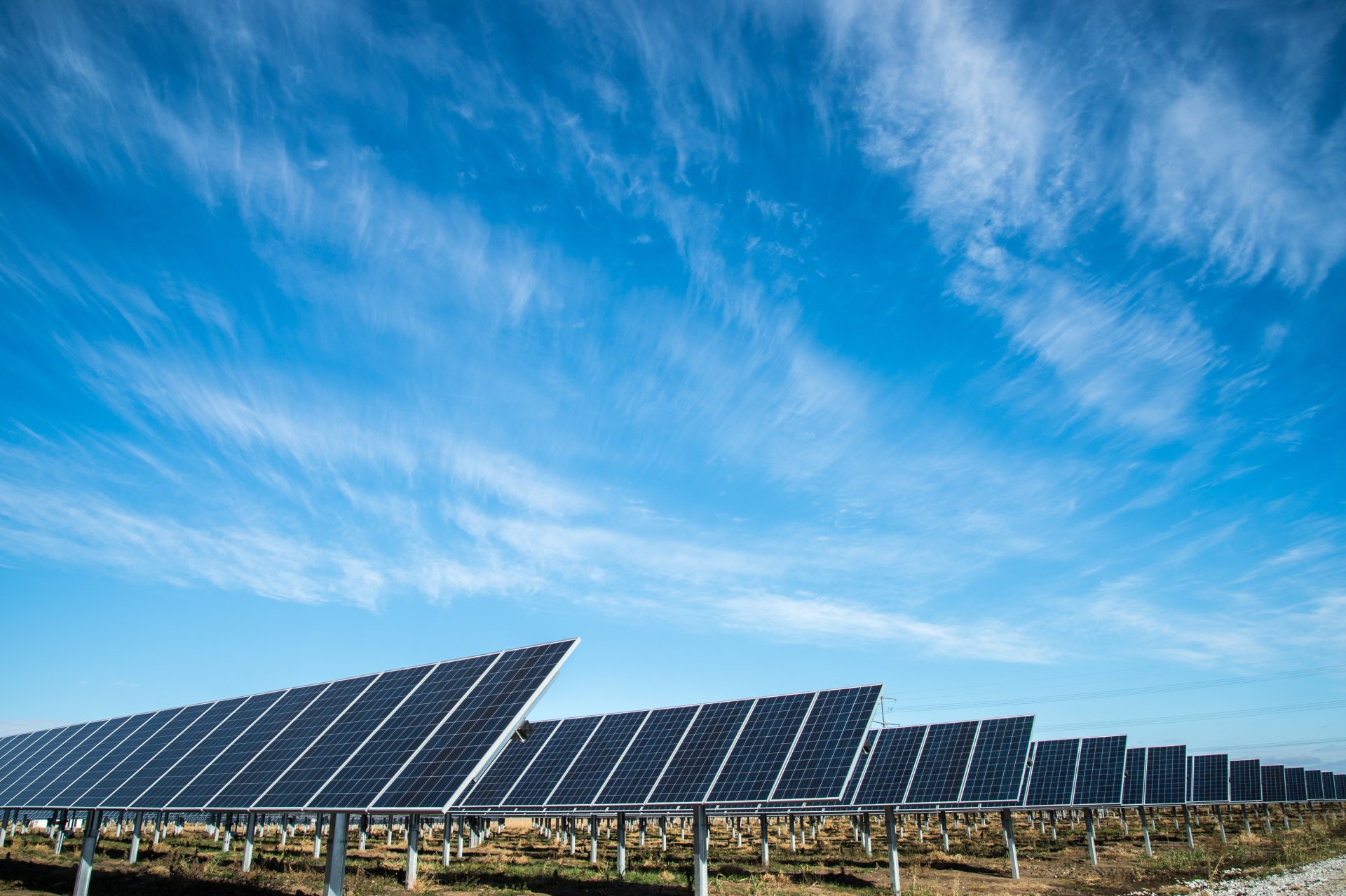
JinMega 2025 Project Highlights | Rooftop Mounting Solutions Worldwide

From China to global markets, these projects showcase our mounting solutions across diverse scenarios. Driven by real-world applications, we continue to deliver reliable, efficient solar mounting systems worldwide. 

Discover how we bring solar to life — visit www.jinmegasolar.com


Product Spotlight | JinMega Aluminum Solar Carport Double-Column

We’re excited to introduce JinMega’s latest innovation, the Aluminum Solar Carport Double-Column, designed to transform parking spaces into efficient solar assets. Featuring a full aluminum structure and a clean, modern design, it delivers reliable performance while keeping installation simple and efficient.


Why JinMega?

Built with AL6005-T5, ensuring strong load performance and long-term corrosion resistance in outdoor environments.

Custom-designed to adapt to different parking layouts, vehicle types, and energy generation requirements.

A minimalist structure enables faster assembly and significantly reduces on-site installation time.


Lightweight, durable, and designed for real-world parking scenarios, JinMega’s solar carport offers reliable waterproof performance and tailored solutions for commercial and industrial applications.

Learn more about our solar carport solutions https://www.jinmegasolar.com

Project Update | Rooftop Solar Mounting System in Zhangzhou, Fujian

We’re pleased to share our latest rooftop solar project in Zhangzhou, where a 1,996 kW system has been successfully installed on a flat metal roof using JinMega’s fixed rooftop mounting solution.


Why JinMega?

· Designed specifically for metal rooftops, the fixed mounting structure ensures long-term stability under various weather conditions.

· A streamlined structural design enables faster installation while minimizing disruption to rooftop operations.

· Optimized load distribution helps protect the roof structure while supporting high-capacity solar deployment.


Explore more rooftop solar solutions here https://www.jinmegasolar.com/solar-roof-mounting-systems


The Guarded Solar Panel How Bird Netting Protects More Than Just Panels—It Protects Your ROI

The Guarded Solar Panel: How Bird Netting Protects More Than Just Panels—It Protects Your ROI


In the pursuit of optimal solar panel performance, we often focus on pv framed panel grade and inverter efficiency. However, a pervasive, everyday threat can undermine even the best-engineered systems: birds. This article moves beyond anecdote, using published research and engineering principles to analyze why bird protection is a critical component of solar support system design and how aluminum rack netting provides the optimal solution.


The Tangible Cost of Bird Contamination:
Research demonstrates that bird droppings are a severe form of soiling. One 2025 study found that contaminated panels saw efficiency drop to about 15%, compared to 20% for clean, cooled solar modules. The solar panel power output of soiled pv panel modules decreased by 12-33%.
The damage is more than surface-level. Droppings create localized shading, leading to dangerous "hot spots" that increase solar cell temperature and accelerate long-term degradation and potential failure. The acidic nature of the droppings can also corrode solar panel frames and backing sheets.

Why Solar Aluminum Netting is the Superior Choice:
While various deterrents exist,professional-grade aluminum netting is considered a well-proven, long-term exclusion method. Here's how it compares:


Durability & Longevity: Aluminum naturally resists corrosion. It withstands harsh tropical sun, rain, and salt air far better than plastic or uncoated steel nets, which can become brittle or rust.

Solar Structural Integrity: It maintains its shape and tension over time, ensuring a consistent barrier without sagging.

Non-Conductive & Safe: Unlike steel, aluminum does not pose a conductivity risk if it comes into contact with electrical solar components.

Lightweight & Solar Install-Friendly: It's easier to handle and install correctly without putting undue stress on the solar mounting structure.

Conclusion: An Investment, Not a Cost
Installing a high-quality aluminum bird netting system upfront is a strategic investment. It safeguards energy yield, reduces risky and frequent cleaning cycles, and protects the physical asset from corrosive damage. For project developers, EPCs, and asset managers, it translates to higher lifetime energy production, lower O&M costs, and preserved asset value—cornerstones of a strong financial return.


Contact info@hqmount.com to get a professional solar related products recommendation and a price for solar bird netting.


Why Ballasted Mounting Poses a PV Structural Risk on Solar Concrete Roofs

Why Ballasted Mounting Poses a PV Structural Risk on Solar Concrete Roofs

Title:The Unseen Danger: Why Ballasted Solar Mounting Fails on Concrete Roofs

Introduction
In the solar industry, the appeal of a ballasted mounting system—requiring no roof penetrations—is clear. It promises simpler installation and preserved roof integrity. Consequently, it is frequently, and often mistakenly, considered for large concrete roofs on commercial and industrial buildings. However, applying this ground-mounted logic to an elevated concrete rooftop ignores critical structural and aerodynamic principles. What seems like a prudent choice can initiate a chain of risks that compromise safety and system longevity. This article explains the three fundamental engineering reasons why ballasted systems are a high-risk proposal for concrete roofs and identifies the correct, safer alternative.


1. The Amplified Wind Load Effect
On open ground, wind can flow freely under and around a ballasted array, reducing pressure. A concrete roof, however, is typically bounded by parapet walls, creating a partially enclosed space. When wind hits this solar structure, the parapets obstruct and redirect airflow, causing it to become trapped and turbulent between the roof surface and the solar array. This phenomenon significantly amplifies upward lift forces (uplift pressure) compared to standard calculations for open terrain. The ballast blocks, instead of merely holding down the pv structure, must now resist these abnormally high and dynamic forces. Relying on standard solar ballast calculations in this environment is a dangerous underestimation.

2. The Vicious Cycle of Dead Load
The first problem directly creates the second: to counteract the increased wind uplift, more ballast weight is required. This initiates a vicious cycle. Each additional kilogram of concrete or steel ballast adds permanent dead load to the roof structure. Many buildings have limited design load margins. This escalating weight can approach or exceed the roof's safe load-bearing capacity, posing a potential collapse hazard. The supposed benefit of "non-penetration" is completely negated by the introduction of excessive, unsustainable weight, potentially necessitating expensive structural reinforcement that defeats the system's cost-saving premise.

3. Long-Term Point Load Failure and Concrete Creep
Even if the roof's overall capacity appears sufficient initially, ballasted systems impose dangerous point loads. The immense weight is concentrated at the small feet of each mounting post. Concrete, under sustained heavy loads, is subject to creep—a slow, permanent deformation over time. Coupled with decades of wind-induced vibration and stress cycles, these concentrated points are prone to cracking, spalling, or sinking. This progressive failure can destabilize the entire array, leading to misalignment, glass breakage, or worse. This slow, photovoltaic structural degradation often manifests years after solar rooftop installation, making it a latent and costly liability.


The Engineered Solution: Professional Mechanical Attachment
For concrete roofs, the only safe and durable solution is a professionally engineered, mechanically fastened system. This involves:

Structural Load Analysis: A certified engineer verifies the roof's live and dead load capacity.

Proper Anchoring: Using engineered roof penetrations with chemical anchors or mechanical bolts designed to transfer structural loads directly into the building's support structure.

Waterproof Integrity: Employing proven, long-term weather-sealing techniques (like compression gaskets and sealants) at every penetration point.

This method eliminates the wind amplification risk, adds minimal dead load, and avoids destructive point loads, ensuring a secure installation with a lifespan matching the solar panels.

This article clarifies the specific wind condition threshold that determines the viability of ballasted systems and exposes the risks of exceeding it.


Understanding the Wind Speed Threshold: 35 m/s
A crucial distinction must be made: ballasted systems are not inherently flawed; they are context-dependent. For low-wind zones (typically below 35 m/s) and on ground-mounted systems or roofs with exceptional load capacity, a properly engineered ballasted solution can be safe and effective. At these lower wind speeds, the required ballast weight remains within reasonable limits, and the risk of wind amplification is minimized.

The danger arises when this solution is applied to high-wind regions (where design wind speeds approach or exceed 35 m/s) on confined concrete roofs. Here, the triple threat of wind amplification, exponential ballast increase, and point load stress converge, making the system economically and structurally unsound.


A Word of Caution on Performance Claims
In this context, be wary of solar mounting manufacturers promoting ballasted systems with exceptionally high wind resistance ratings (e.g., 50 m/s or more) for concrete roof applications. While the brackets themselves might be rated for such winds, achieving this on a roof requires an immense, often impractical amount of ballast to counteract the amplified uplift. More critically, this calculated ballast weight frequently exceeds the safe dead load capacity of a standard concrete roof. Such proposals may rely on idealistic, non-enclosed test conditions and overlook the paramount constraint: the roof's structural integrity. Always insist on a site-specific structural load analysis from a qualified engineer.


Conclusion
The 25+ year lifespan of a solar asset demands a solar foundation that is unequivocally safe. On concrete roofs, choosing a ballasted system introduces a complex web of aerodynamic and structural risks that can jeopardize the entire investment. True professionalism in solar deployment means selecting the right tool for the environment. By partnering with experienced engineers and opting for a mechanically attached system designed for the specific roof, developers and installers ensure not only the performance but also the fundamental safety and integrity of their solar investment.


Contact us at info@hqmount.com for a solar roof top design from hqmount the leading solar mounting manufactuerer in China.


The Complete Racking System Your Unseen Advantage in Southeast Asia's Solar Market

The Complete Racking System: Your Unseen Advantage in Southeast Asia's Solar Market


For solar installers and solar EPCs in Thailand and Indonesia, success is built on efficiency and reliability. While much attention is given to panel efficiency, the true unsung hero determining a solar power project's speed, cost, and long-term performance is the pv racking system. A common pitfall in booming markets is sourcing pv components piecemeal—solar roof hooks from one supplier, pv aluminum profiles from another, solar panel mid and end clamps from a third. This approach introduces hidden costs and risks.

The solution is a complete, engineered racking ecosystem. By choosing a single-source provider for every component—from the solar panel roof hook to the pv grounding washer—you secure a decisive advantage in the competitive Southeast Asian solar landscape.


Part 1: The Hidden Cost of a "Mix-and-Match" Approach
Sourcing individual solar mounting components based solely on price might seem economical, but it creates downstream challenges critical to markets like Thailand and Indonesia:

  • Compatibility Gaps: A tile roof hook from Factory A might not align perfectly with a solar pv profile from Supplier B, requiring on-site modifications that delay solar roof projects.

  • Quality Inconsistency: Differing material grades or manufacturing tolerances between solar system parts can create weak points, compromising the system's wind and load resistance.

  • Logistical Overhead: Managing multiple suppliers, warranties, and shipping schedules complicates project management unnecessarily.

Part 2: Decoding the Complete Solar System: A Component-by-Component Advantage
Our comprehensive lineup is engineered as one interdependent solar pv system. Here’s what that integration means for your project:

  • Solar Roof Interface & Adaptability (Roman Tile Hooks, Flat Tile Hooks, L-Feet): Designed specifically for common roofing materials across Southeast Asia, these components ensure a secure, weatherproof, and non-damaging attachment. Adjustable legs allow for perfect leveling on uneven roofs, a common site challenge.

  • The solar Structural Backbone (Aluminum Profiles, Standing seam Clamps): The rails form the primary structure. Our profiles and their connection hardware are tested together for optimal strength and corrosion resistance, crucial for coastal and high-humidity environments.

  • Panel Security & Integration (Mid Clamps, End Clamps): These solar panel clamps are precision-matched to our pv profile geometry, ensuring the correct torque and holding force is applied without damaging panels, guaranteeing long-term security.

  • Safety & Professional Finish (Grounding Lugs, Cable Clips, Grounding Washers): A safe, code-compliant, and tidy installation is non-negotiable. Our integrated grounding components and management accessories ensure a professional result that passes inspection and lasts.

Part 3: The Tangible Benefits for Your Business
Choosing this complete ecosystem translates directly to your bottom line and reputation:

  1. Reduced Solar Installation Time: Pre-verified compatibility means installers work faster, with less troubleshooting. You can complete more solar power projects.

  2. Enhanced System Reliability: Uniform quality and engineered compatibility minimize the risk of premature failure, protecting your clients' assets and your company's reputation.

  3. Simplified Solar Project Management: One order, one shipment, one technical contact, and one warranty for the entire mounting system. This streamlines operations significantly.

  4. Stronger Client Trust: Delivering a clean, robust, and trouble-free installation builds customer satisfaction and leads to referrals.

Conclusion: Build Faster, Build Smarter
In the dynamic solar markets of Thailand and Indonesia, where project timelines are tight and quality expectations are high, the pv racking system should be a source of confidence, not complexity.

By partnering with a supplier that provides a fully integrated racking ecosystem, you're not just buying components—you're investing in a smoother workflow, a more reliable installation, and a stronger business foundation.

Ready to streamline your next power project? Contact us at info@hqmount.com to learn more about our complete solar roof racking solutions tailored for the Southeast Asian market.

Product Spotlight | Steel Adjustable Solar Ground Mount

Designed for agricultural applications, JinMega’s Steel Adjustable Solar Ground Mount offers a reliable and cost-effective solution for ground mounting solar projects.


Key Highlights


·Stable Manufactured with high-strength ZAM steel, the system offers excellent corrosion resistance and strong performance under wind and snow loads, ensuring long-term stability in outdoor environments.

·Efficient Featuring an adjustable tilt angle of ±20 degrees, the system can be easily adapted to different site conditions, supporting better energy output across various applications.

·Flexible A unique installation method improves installation efficiency by up to 20%, reducing labor time and supporting faster project delivery.


As a practical and economical steel mounting solution, Steel Adjustable Solar system is especially well-suited for agricultural land, combining solid structural performance with adaptable design. 


Learn more about JinMega’s Steel Adjustable Solar Mounting Solutions, https://www.jinmegasolar.com/steel-adjustable-solar-ground-mount

Project Update | 100 kW Aluminum Roof Mounting System in Malaysia

We’re glad to share a recent 100 kW rooftop project in Malaysia, built with JinMega’s Aluminum Mounting System using concrete pile foundations. The system combines lightweight structure, durable materials, and optimized engineering to deliver stable long-term performance.


· Durability

Made with AL6005-T5 aluminum and SUS304 components, the system offers strong anti-corrosion performance and full SGS-tested reliability. 


· Efficiency

Front and back legs, beams, and reinforced pipes are pre-assembled before shipment, enabling fast, simple, and labor-saving installation. 


· Flexibility

The design allows customized and cost-effective configurations based on specific site conditions.


This project highlights JinMega’s commitment to practical, reliable, and installer friendly rooftop solutions. Explore how our systems can elevate your next project: www.jinmegasolar.com


Project Update | Roof Triangle Solar Mounting System in Japan

We’re excited to share JinMega’s project in Hitachiomiya, Japan, where a 350 kW rooftop installation adopts our Triangle Solar Mounting System. This system provides a reliable solution for commercial rooftops with tight construction timelines and diverse structural conditions.


Key Features

Stable

Professional tripod structure and AL6005-T5 & SUS304 materials deliver strong load capability, long-term durability, and high anti-corrosion performance. 


Efficient

Highly pre-assembled components make installation fast and simple, helping teams reduce labor time and overall project costs. 


Flexible

Available in various fixed and adjustable angles, supporting multiple fastening methods to suit different rooftop conditions and application scenarios.


The triangle mounts can be installed directly onto steel structures without modification. This accelerates on-site assembly and creates a seamless connection between the original steel frame and the PV system.


This project showcases how the JinMega Triangle Solar Mounting System enables safe, efficient, and adaptable rooftop PV deployment, especially for sites requiring structural flexibility and rapid installation. Explore the full solution here https://www.jinmegasolar.com/roof-triangle-brackets-solar-mounting-system


Decoding Solar Screws – A Transatlantic Guide to M8 Hex, 6.3 Universal, and M8 Torx

Decoding Solar Screws – A Transatlantic Guide to M8 Hex, 6.3 Universal, and M8 Torx


Navigating the world of solar mounting hardware reveals a fascinating divergence in engineering preferences between the US and European markets. A prime example is the humble, yet critical,solar self-tapping screw. Let's demystify three common specifications: the M8x80 Hex Head for the US, the 6.3x80 "Universal" screw, and the M8x80 Flat Head with Torx Drive for the EU. Understanding these differences is key to ensuring compatibility, efficiency, and satisfaction in your globalsolar projects.


1. The American Standard: M8x80 with Hex Head
The M8x80 Hex Head screw is a staple in many US-based solar mounting kits. Here, the "M8" denotes a standard metric thread 8mm in diameter, while the "80" is the 80mm length. The defining feature is the hex head, also known as a hex cap screw. This head is designed to be driven by a wrench or socket, offering a familiar and robust solution. The hex head’s primary advantages are its mechanical strength and the ability for installers to apply very high torque with ubiquitous tools. It represents a traditional, no-nonsense approach to fastening, prioritizing durability and ease of use with common toolkits found on American job sites.

M8x80 Hex Head screw

2. The "Universal" Spec: 6.3x80 and Its Ambiguity
The 6.3x80 screw often positions itself as a universal or global option. However, the "6.3" dimension is the clue to its origins—it's essentially the metric equivalent of a 1/4 inch imperial screw (since 1/4" = 6.35mm). This sizing is a legacy of imperial measurements. The term "universal" often relates more to its thread and length being adaptable to various profiles, but its drive type (e.g., Phillips, hex) is usually not specified in the core description and can vary. This lack of specificity in the drive can sometimes lead to confusion, making it a "universal" component that may still require market-specific tooling decisions during the final procurement stage.

3. The European Preference: M8x80 Flat Head with Torx Drive
In contrast, the European market frequently specifies an M8x80 screw with a Flat Head and a Torx drive. While the metric thread (M8) and length (80mm) are consistent, the design philosophy differs significantly. The flat head (or countersunk head) is designed to sit flush with the mounting surface, providing a clean, finished look. The star of the show is the Torx drive (internationally standardized as ISO 10664 or hexalobular internal drive). Unlike Phillips or slotted drives, the Torx system's six-pointed star pattern is engineered to prevent the tool from camming out (slipping). This allows for the application of higher torque with drastically reduced wear on the screw head and the driver bit, enhancing both safety and speed. This makes it ideal for the precise, high-volume, and often automated assembly processes prevalent in European solar manufacturing.


As for solar installation speaking,using this T40 Torx head M8 80 screw,the solar installerscan use the same tools they use for the solar panel clamps to save time.

M8x80 Flat Head with Torx Drive

4. Head-to-Head: Why the Drive Type Defines the Market
The core transatlantic divide lies in the drive type. The American hex head offers brute-force simplicity and is excellent for field maintenance where heavy wrenches are standard. The European Torx drive prioritizes precision, efficiency, and damage prevention. The Torx design transmits torque more efficiently, with the tool applying force almost perpendicularly to the recess walls, reducing stress. Forlarge-scale solar farmswhere thousands of screws are installed, minimizing tool slippage and head stripping translates directly into lower labor costs, faster installation times, and enhanced long-term reliability of themounting structure.


5. Making the Informed Choice for Your Solar Project
Selecting the correct screw is a strategic decision beyond mere threading. Consider your supply chain, on-site tooling, and installation team's expertise. Forpv mounting projectsin the Americas or those tied to US-based engineering specs, the M8 Hex Head is a reliable, compatible choice. For projects following European standards, targeting the EU market, or where installation precision and speed are paramount, specifying the M8 Flat Torx is the professional choice. The "universal" 6.3x80 can be a cost-effective option but requires clear agreement on the drive type to avoid logistical hiccups.


6. Conclusion: It's More Than Just a Screw
In the intricate ecosystem of asolar power system, everysolar componentmatters. The choice between a M8 hex head screw and a M8 Torx screw is a microcosm of broader engineering and logistical philosophies. By understanding that the US market often leans towards the robust familiarity of the hex drive, while the EU market champions the precision-engineered Torx system, developers and procurement managers can make informed decisions. This ensures seamless compatibility, optimizes installation workflows, and ultimately contributes to the durable and efficient performance of solar installations worldwide. Always consult your mounting system manufacturer's specifications to ensure full compliance and warranty validity.