Maximize Your Solar Potential with Adjustable Tilt Solar Brackets

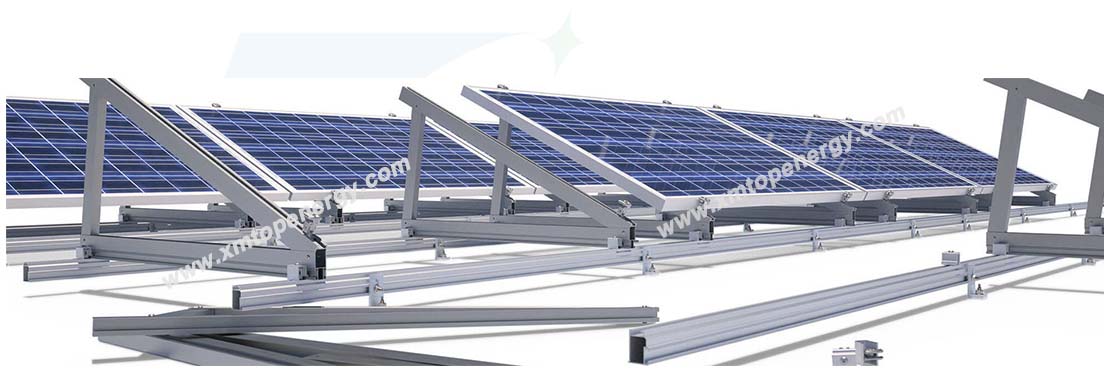
Maximizing solar energy output starts with smart mounting solutions. Our Adjustable Tilt Solar Bracket for metal rooftops is engineered to help you get the most out of your solar panels by allowing precise angle adjustments throughout the year. This durable and easy-to-install system enhances energy efficiency by positioning your panels for optimal sunlight exposure—delivering greater performance without added complexity.


adjustable angle solar mounts supplier


Why Tilt Matters in Solar Power

The angle at which a solar panel faces the sun has a significant impact on how much energy it can generate. In many fixed-mount systems, the tilt angle cannot be changed, limiting the system’s performance depending on the time of year or location. With tilt-adjustable solar racking, installers and homeowners have the power to fine-tune the tilt angle to maximize sunlight exposure year-round.

Our adjustable angle solar mounts are engineered with precision to offer three tilt options: 10°–15°, 15°–30°, and 30°–60°, giving you the flexibility to match your specific geographic and roof conditions.


Built for Strength and Simplicity

The system is built using high-grade AL6005-T5 aluminum alloy, known for its strength, lightweight properties, and corrosion resistance. With a sleek anodized finish, these solar panel tilt brackets are designed to endure extreme weather while maintaining structural integrity and aesthetic appeal.

Pre-assembled components like front legs, rear legs, mounting rails, and module clamps make installation fast and efficient, reducing labor time and minimizing errors. Whether you're mounting on a flat metal rooftop, standing seam, trapezoidal sheet, or even concrete ground, this system adapts seamlessly.


solar panel tilt brackets supplier


Benefits at a Glance

Flexible Tilt Options: Adjust between three tilt angles to capture the most sunlight.

Energy Boost: Increase solar generation performance by up to 30%.

Quick Installation: Pre-assembled kits make setup straightforward and efficient.

Wide Compatibility: Ideal for various metal roof types and even concrete bases.

Durable Build: Anodized aluminum construction ensures long-term reliability.


Real-World Applications

Whether you're working on a residential solar project, a commercial rooftop, or a hybrid ground-mount system, our adjustable solar mounting system delivers the flexibility and strength needed for high-performance PV installations. The tiltable design ensures that you’re not just installing solar panels—you’re installing them smartly.


tilt-adjustable solar racking solution


Final Thoughts

The future of solar is not only about the quality of the PV module but also about how it’s installed. An intelligent mounting solution like our tilt-adjustable solar racking system can make a significant difference in system performance and ROI. If you're planning a solar installation on a metal roof, consider a mounting system that adjusts to the sun—not the other way around.

What Are the Benefits of Using Module Clamps in Solar Panel Installations?

When it comes to solar panel installations, every component plays a critical role in ensuring long-term performance, safety, and durability. Among these, solar mounting clamps are small but mighty components that serve as the essential interface between your solar panels and the racking system. Whether you're installing a rooftop array or a large-scale ground-mounted project, choosing the right clamps can make a significant difference.


Aluminum Solar Panel Clamp for Framed PV Modules


Why Module Clamps Matter

Module clamps are responsible for holding the solar panels securely in place on their solar panel mounting structure. They ensure stability against environmental forces such as wind and snow, while maintaining the correct gap and alignment between panels. The main benefits of using high-quality solar module clamps include:


Structural Integrity: Secure clamping prevents panel movement and reduces the risk of long-term damage or system failure.

Easy Installation: Well-designed clamps simplify the installation process, saving time and labor costs.

Adaptability: Clamps come in various designs to suit different panel sizes and solar mounting types.

Longevity and Corrosion Resistance: Most clamps are made of anodized aluminum, which offers excellent durability and corrosion resistance in outdoor environments.


A Closer Look: Aluminum Clamps for U-Shaped Carbon Steel Ground Mount Systems

While conventional solar clamps are widely used in many installations, specialized systems often require tailored solutions. One such example is the U-shaped carbon steel ground mounting system, commonly used in large-scale solar farms.

This system uses a aluminum pv module clamp that differs significantly from standard types. The clamp is designed to fit perfectly with the unique structural profile of the U-shaped steel beam, ensuring:

Optimal force distribution across the panel frame

Enhanced compatibility with variable terrain conditions


These purpose-built aluminum clamps offer not just a mechanical fit but also better long-term reliability in demanding environments.

Want to see the exact clamp used in this system?
Click solar panel clamps to explore the product details and understand how it integrates with our U-shaped carbon steel pv mounting structure.


Solar Panel Edge Clamp


Final Thoughts

Choosing the right solar module clamp is more than just a hardware decision—it's a commitment to the performance and lifespan of your solar system. If you're working with specialized pv mounting structures like U-shaped carbon steel frames, don't overlook the importance of using the correct aluminum alloy solar clamp designed for that system. It’s these small details that ensure your solar investment performs flawlessly for decades.

What Are the Best Mounting Systems for Solar Carports to Ensure Durability and Ease of Maintenance?

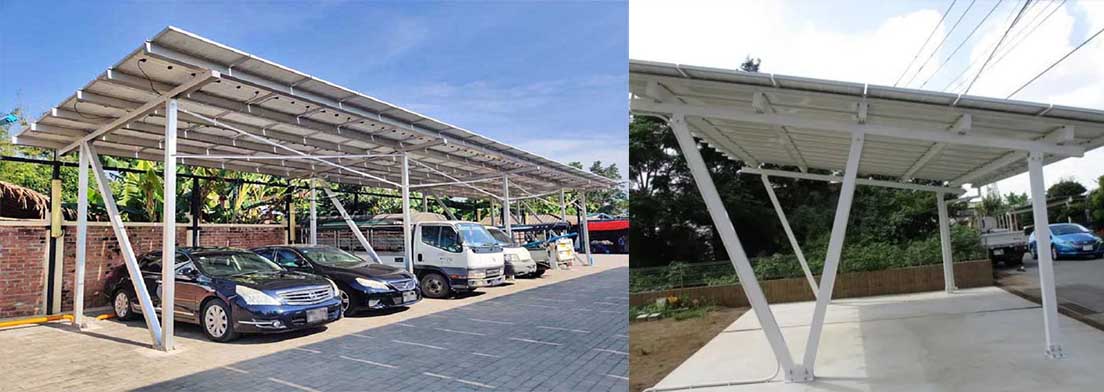
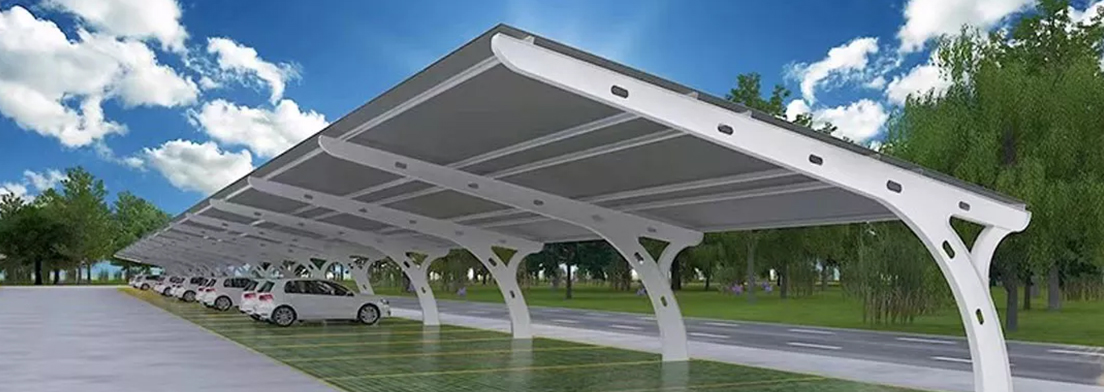
As the demand for sustainable energy grows, solar carports are emerging as a smart, dual-purpose solution—offering both vehicle protection and power generation. But behind every successful solar carport installation lies a crucial component: the solar panel mounting system. Choosing the right pv mounting system is key to ensuring the durability, structural integrity, and ease of maintenance of your solar carport over its lifetime.

So, what are the best mounting systems for solar carports? Let’s break it down.


HDG Solar Mounting Systems


1. Steel-Based Solar Mounting Systems

Steel is a top choice for solar carport mounting structures due to its high strength, long lifespan, and ability to withstand heavy loads and harsh weather conditions.

Pros:

Exceptional durability and corrosion resistance (especially galvanized or powder-coated steel)

Strong support for larger PV modules

Ideal for regions with snow or high wind

Cons:

Heavier and sometimes more expensive than aluminum

Requires proper rust-proof treatment in coastal or humid environments

Best for: Large-scale commercial installations, areas with tough weather.


Aluminum solar carport 


2. Aluminum PV Mounting Systems

Aluminum is a lightweight, corrosion-resistant alternative that simplifies installation without sacrificing strength.

Pros:

Lightweight and easy to handle

Naturally resistant to corrosion

Aesthetic appeal with clean, modern lines

Cons:

Less rigid than steel, may require additional bracing in some conditions

Slightly more expensive than steel in some markets

Best for: Urban carports, residential or commercial use where design and easy installation are priorities.


3. Pre-Fabricated Modular Solar Carport Systems

These systems come with integrated mounting, drainage, and cable management channels, designed for quick assembly and minimal on-site labor.

Pros:

Reduced installation time

Integrated wire management and rainwater control

Sleek, uniform appearance

Cons:

Limited flexibility in design customization

May require specific panel sizes or racking alignment

Best for: Developers seeking a fast-deploy, scalable solution.


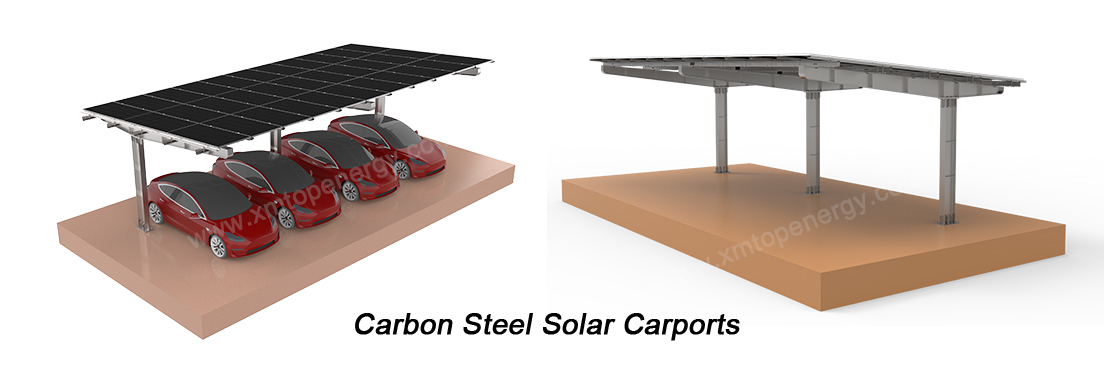
Single-Post solar carport Systems


4. Single-Post (Cantilevered) Systems

Cantilever carports are supported by a single row of columns, offering open space for vehicles and ease of maintenance.

Pros:

Fewer columns = easier vehicle movement and cleaning

Modern aesthetic

Ideal for tight parking areas

Cons:

Requires stronger foundation and precise engineering

May increase structural cost per kW installed

Best for: Parking lots where maximizing space and aesthetics is important.


Key Considerations for Long-Term Durability & Maintenance

Corrosion Resistance: Choose materials and finishes that withstand local environmental conditions—hot, humid, or coastal areas especially need anti-rust coatings.

Drainage Design: Ensure your system has an effective water management system to prevent water pooling or leaks.

Easy Access for Cleaning & Repairs: Modular or open-frame designs simplify access to modules and wiring.

Cable Management: Look for systems with integrated cable trays or conduits to protect and organize wiring.


Cable tray Management


Conclusion

The best solar carport mounting system depends on your project’s size, location, aesthetic goals, and budget. Steel offers maximum durability, aluminum offers ease of installation, and modular systems provide speed and scalability. Cantilevered designs give superior functionality in tight spaces.

By choosing the right system and planning with maintenance in mind, you’ll not only ensure long-term performance but also reduce operational costs over the life of the installation.

What Are the Key Benefits of Using Wire Mesh Cable Trays in PV Installations?

As solar energy systems become more prevalent, efficient cable management solutions are essential for optimal performance. Among the various options, wire mesh cable trays have emerged as a popular choice for photovoltaic (PV) installations. But what makes them so advantageous? Let’s explore the key benefits of using wire mesh trays in solar power projects.


1. Enhanced Heat Dissipation for Solar Cables

One of the biggest challenges in PV systems is heat buildup around cables, which can reduce efficiency and lifespan. Wire mesh cable trays provide superior ventilation, allowing heat to escape and preventing overheating—critical for maintaining performance in large-scale solar arrays.


2. Corrosion Resistance for Outdoor Solar Applications

Since PV installations are exposed to harsh weather conditions, durability is a must. Galvanized wire mesh trays offer excellent corrosion resistance, ensuring long-term reliability even in humid, salty, or high-UV environments.


3. Lightweight & Easy Installation for Solar Farms

Compared to traditional cable ladder systemswire mesh trays are significantly lighter, making them easier to transport and install across expansive solar farm sites. Their modular design also allows for quick adjustments, accommodating changes in PV panel layouts without major modifications.


4. Cost-Effective Cable Management for Utility-Scale Solar Projects

Wire mesh cable trays are generally more affordable than alternatives like fiberglass trays or underground conduits, reducing overall project costs. Their durability also means lower maintenance expenses over time.


5. Flexibility & Adaptability in Solar Rooftop and Ground-Mount Systems

Whether for commercial solar rooftops or ground-mounted PV plantswire mesh trays can be easily customized to fit different configurations. Their open design simplifies cable routing, making future expansions or upgrades hassle-free.


6. Improved Cable Visibility for Easier Inspections

Unlike enclosed cable conduitswire mesh trays allow for clear visibility of cables, simplifying inspections and troubleshooting. This reduces downtime in solar power plants and ensures faster maintenance.


Are There Any Limitations?

While wire mesh cable trays offer many advantages, they may not be ideal for every scenario:


Heavy-duty power cables might require sturdier supports like cable ladders.

In areas with excessive dust or pests, additional protective measures may be needed.


Conclusion: Why Wire Mesh Trays Are a Smart Choice for PV Installations

For solar energy projectswire mesh cable trays provide an optimal balance of durability, cost-efficiency, and thermal management. Their lightweight design, corrosion resistance, and flexibility make them a top contender for large-scale solar farmscommercial PV systems, and rooftop solar arrays.

If you're planning a PV installation, consider whether wire mesh trays align with your project’s needs—or if a hybrid approach (combining different cable management solutions) would be more effective.

Have you used wire mesh cable trays in your solar projects? Share your experiences in the comments!


What are the key design considerations for solar carports (2-car, 4-car, 6-car) to maximize energy generation?

As solar adoption continues to rise, solar carports have become a popular solution for combining energy generation with functional space utilization. Whether you're designing a 2-car, 4-car, or 6-car solar carport, optimizing performance requires careful planning. Below, we outline the key design considerations to maximize solar energy output and ensure long-term reliability.

1. Optimal Orientation and Tilt Angle for Solar Carports

The orientation and tilt angle of solar panels significantly impact energy production.

Best Orientation:

Northern Hemisphere: True south-facing panels maximize sunlight exposure.

Southern Hemisphere: True north-facing panels are ideal.

Optimal Tilt Angle:

Generally, equal to the location’s latitude for year-round efficiency.

Lower tilt angles (10°-15°) work for flat designs but may require system oversizing.

Pro Tip: Use solar tracking tools (like PVWatts) to fine-tune angles based on local conditions.


solar carport supplier


2. Avoiding Shading for Maximum Solar Efficiency

Shading drastically reduces solar panel performance due to cell interconnection effects.

For 4-Car & 6-Car Solar Carports:

Ensure sufficient spacing between rows to prevent self-shading.

Avoid obstructions (trees, buildings, adjacent structures).

Use Shade Analysis Tools:

Tools like Helioscope or Solar Pathfinder help identify potential shading issues.


3. Choosing the Right Solar Mounting Structure

The PV mounting system is the backbone of a solar carport. Key factors include:

Material Durability:

Hot-dip galvanized steel or anodized aluminum for corrosion resistance.

Wind & Snow Load Ratings:

Must comply with local building codes (e.g., ASCE 7 standards).

Panel Compatibility:

Supports various solar panel sizes (60-cell, 72-cell, bifacial).

Maintenance Accessibility:

Easy access for cleaning and inspections.

Best Practice: Opt for pre-engineered solar carport structures to save time and ensure compliance.


HDG solar carport


4. Structural Design & Aesthetic Considerations

Solar carports should balance functionality, strength, and visual appeal.

2-Car & 4-Car Carports:

Single-post or double-post cantilever designs for space efficiency.

6-Car & Larger Carports:

Additional support beams and reinforced anchoring.

Added Features:

Integrated drainage systems (gutters, sloping roofs).

LED lighting for nighttime usability.


5. Electrical Configuration & Inverter Selection

Efficient electrical design ensures maximum power output.

System Sizing:

Calculate total kW capacity based on parking space.

Inverter Options:

String inverters (cost-effective for shade-free setups).

Microinverters (better for partial shading conditions).

Voltage Drop Mitigation:

Optimize string lengths and wire gauges.


Custom Solar Carport Mounting Solutions


6. Waterproofing & Cable Management

Proper weatherproofing and cable routing enhance durability.

Water Drainage:

Sloped roofs with integrated gutters prevent water pooling.

Cable Protection:

UV-resistant conduits and cable trays for longevity.


cable tray supplier


7. Future-Proofing with EV Charging Integration

With rising EV adoption, solar carports should support charging stations.

Load Capacity:

Ensure the structure can handle additional EV charger weight.

Wiring Provisions:

Pre-install conduits for Level 2 chargers.


Final Thoughts: Maximizing Solar Carport ROI

Designing an efficient solar carport (2-car, 4-car, or 6-car) requires:
Optimal panel orientation & tilt.
Shade-free installation.
Durable solar mounting structures.

Smart electrical & structural planning.
Future-ready EV charging compatibility.

By following these best practices, you can maximize energy generation and ensure a long-lasting, high-performing solar carport system.

Need a solar carport design? Start with a high-quality PV mounting solution for the best results!


What Are the Key Factors When Choosing a Flat Roof Solar Mounting System?

Flat roofs are among the most versatile surfaces for installing solar PV systems, especially in urban and industrial environments. However, selecting the right flat roof solar mounting system is essential to ensure safety, efficiency, and long-term durability. In this blog, we’ll explore the key factors to consider when choosing a mounting solution for flat roofs.


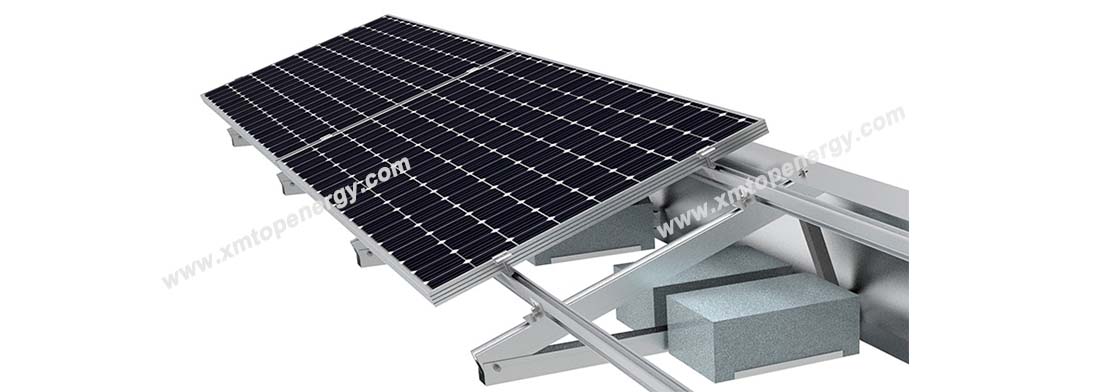
ballasted systems solar


1、Roof Type and Load Capacity

Flat roofs come in various materials: concrete, membrane, or metal sheets. Each has unique structural considerations.

Concrete Roofs: Often suitable for ballasted systems since they can handle higher loads.

Metal Decks or Membrane Roofs: Require penetration-type mounting or lightweight ballast due to lower weight capacity.


2. Wind Resistance and Environmental Conditions

Wind uplift is a major risk on flat rooftops. In high-wind zones, the mounting system must:


Be aerodynamically optimized

Include wind deflectors or skirts

Comply with local wind load standards (e.g., ASCE 7, EN 1991-1-4)


ballasted roof


3. Mounting Type: Ballasted vs. Penetrative

There are two primary types:

Ballasted Systems: Use weight (like concrete blocks) to anchor panels without penetrating the roof. Best for non-penetration policies or membrane roofs.

Penetrative Systems: Fixed with anchors and screws, ideal for higher stability in wind-prone areas.


4. Ease of Installation and Maintenance

Look for systems that are:

Modular and pre-assembled

Require fewer tools

Include adjustable tilt angles (typically 10°–15°)

Also, consider maintenance pathways to allow technicians safe access.


solar ballast


5. Tilt Angle and Orientation

The optimal tilt maximizes energy output and affects panel cooling and self-cleaning.


Common tilt angles: 10° to 15°

East-West vs. South-facing configurations:

South-facing maximizes daily output

East-West allows higher panel density and uniform generation


6. Corrosion Resistance and Durability

Roof-mounted systems face constant exposure to weather. Make sure components are:

Aluminum or stainless steel

Anodized or galvanized for corrosion protection

Certified for at least 25-year lifespan


solar panel ballast 


7. Local Codes and Fire Safety

Ensure the mounting system complies with:

Local fire regulations

Building codes (seismic, electrical clearance, etc.)

Insurance requirements

Some systems also offer Class A fire ratings for extra protection.


Conclusion

Choosing the right flat roof mounting system is more than just picking the cheapest or easiest option. It's a balance of engineering, environmental adaptation, compliance, and cost-effectiveness. Work closely with a qualified EPC or mounting system provider to tailor the solution to your specific rooftop.

What Should You Consider When Selecting a Cable Tray for Solar Applications?

In a solar power system, cable management is more than just organization—it’s about safety, durability, and performance. Whether you're designing a rooftop solar PV system or a large-scale ground-mounted solar installation, selecting the right cable tray for solar applications is crucial. But with multiple types, materials, and designs available, what exactly should you look for?

Let’s explore the key factors to consider when choosing a cable tray for solar projects, especially in demanding environments like Southeast Asia.


1. Material Type for Solar Cable Trays

The first consideration is the material of the tray. Different materials offer varying degrees of corrosion resistance, heat tolerance, and structural strength.


Stainless steel cable trays are ideal for outdoor solar installations, offering high corrosion resistance and long-term durability.


Hot-dip galvanized steel trays provide a balance between cost and protection, commonly used in moderate environments.


FRP (Fiber Reinforced Plastic) cable trays are lightweight and corrosion-resistant, but less common in high-heat settings.


Choosing the right cable tray material ensures long-term performance and minimal maintenance.


2. Environmental Resistance

Solar installations are often exposed to extreme conditions: heat, UV radiation, wind, rain, and even salty air near coastal areas.


For coastal solar projects, opt for marine-grade stainless steel trays to resist salt-induced corrosion.


For high-temperature areas, select trays with excellent thermal stability and ventilation design.


Proper environmental compatibility is key to avoiding premature degradation of cable trays and electrical failures.


3. Ventilation and Heat Dissipation

Efficient heat dissipation is critical in solar applications. A wire mesh cable tray for solar systems allows natural airflow around the cables, which helps:


Prevent overheating of power cables


Reduce energy loss caused by heat


Increase the overall efficiency of the solar power system


Well-ventilated wire mesh trays are especially important in hot and humid climates, such as in Thailand, Indonesia, or the Philippines.


4. Ease of Installation and Maintenance

Time is money in solar construction. Choosing a tray system that’s easy to install and supports quick cable access is a major advantage.


Modular wire mesh cable trays can be cut and bent on-site to fit your layout.


Open designs allow for faster cable laying and easier inspections during routine maintenance.


Lightweight materials reduce labor requirements on rooftops or elevated platforms.


This makes cable tray installation in solar projects faster, safer, and more cost-efficient.


5. Load Capacity and Support Structure

Solar installations require trays that can handle not just the weight of cables, but also external factors like snow, wind, and vibrations.


Check the load rating of the cable tray based on the number and type of cables.


Use appropriate support brackets and spacing to ensure structural integrity.


For rooftop solar cable trays, consider wind uplift and tray anchoring.


Proper structural design avoids sagging or damage over time, ensuring reliable solar energy output.


6. Compatibility with Solar Mounting Systems

Finally, your cable tray should integrate smoothly with your solar mounting structure—whether that’s an L-bracket system on a metal roof or ground-mounted racks.

Use universal solar mounting clamps or custom brackets to secure trays alongside PV modules.


Ensure trays do not interfere with panel tilt angles, maintenance walkways, or drainage paths.


A well-integrated cable tray system enhances the overall functionality and appearance of your installation.


Final Thoughts

When choosing a cable tray for solar applications, you’re not just buying a product—you’re investing in the efficiency, safety, and longevity of your entire system. Consider the material durability, heat dissipation design, environmental resistance, and ease of installation to select the best fit for your project.

Whether you're managing a rooftop solar project in Southeast Asia or a remote ground-mounted array, the right cable tray will support your success—both technically and financially.

What Size Ground Screw Is Best for Solar Panel Installations?

When it comes to installing solar panel systems, one of the most critical elements to consider is the mounting structure. Ground-mounted solar panel systems, in particular, rely heavily on a sturdy foundation to ensure long-term stability and performance. In this blog post, we'll focus on a key component of ground-mounted systems: ground screws.

Ground screws are becoming increasingly popular for solar installations due to their speed of installation, environmental friendliness, and robust performance. But, with different sizes and types available, how do you know which ground screw is best suited for your solar panel installation? Let’s break it down.


Comparing foundation types for solar installations


Why Are Ground Screws Important for Solar Installations?

Ground screws serve as the foundation for solar panels in ground-mounted systems. They’re used to secure the solar panel mounting structure to the ground, ensuring the system remains stable regardless of weather conditions or soil types. Unlike traditional concrete foundations, ground screws are installed without the need for excavation or curing, making the installation process faster and less disruptive to the environment.


Factors to Consider When Choosing the Right Ground Screw Size

Soil Type
The size of the ground screw is influenced by the soil conditions where the installation will take place. Softer or loamy soils will require longer screws to ensure stability, while harder, rocky soils may allow for shorter screws. If the soil is highly compacted or sandy, additional factors like the need for wider diameter screws or additional anchoring might need to be considered.


Ground screws for solar panel mounting


Panel Weight and Load
The size of the ground screw also depends on the weight and load of the solar panel system. Larger, heavier systems require more substantial support, which typically means opting for longer, thicker screws. For smaller residential systems, a standard size screw might suffice, while larger commercial installations will demand more robust anchors.


Installation Depth
The depth of the ground screw plays a key role in its stability. In regions with high winds or seismic activity, a deeper ground screw is recommended to ensure the system stays secure. Typically, ground screws range from 1.5 meters (5 feet) to 3 meters (10 feet) in length, but this can vary depending on the conditions.


Environmental Considerations
Another consideration is the presence of water or high moisture content in the soil. In regions with frequent rainfall or where the ground is prone to shifting, ground screws made from corrosion-resistant materials like galvanized steel or stainless steel should be used. The screw's coating and size can help resist rust and ensure the longevity of the system.


Screw pile foundation for solar mounting


Common Ground Screw Sizes for Solar Installations

Small Residential Installations: For residential solar installations with smaller systems (up to 5 kW), ground screws typically range from 60mm to 90mm in diameter and 1.5m to 2m in length. These sizes provide adequate support for the lighter panels and are easy to install in most soil types.


Medium Commercial Installations: For larger systems (5 kW to 100 kW), screws with diameters ranging from 90mm to 120mm and lengths from 2m to 3m are often used. These sizes ensure that the pv mounting system can bear more significant loads and withstand external forces like wind and snow.


Large-Scale Industrial Installations: For large solar farms or industrial projects (over 100 kW), ground screws with diameters of 120mm or more and lengths of 3m or more are typically employed. These provide the ultimate support and ensure the solar array remains anchored even in the harshest environmental conditions.


Helical screw pile for solar racking


Choosing the Right Ground Screw Manufacturer

The quality of the ground screw also matters. Ensure that the manufacturer provides screws that comply with international standards, such as ISO 9001 for quality management and ISO 14001 for environmental standards. Additionally, the manufacturer should be able to provide detailed specifications for each screw, including the materials used, the manufacturing process, and any necessary certifications (e.g., corrosion resistance, load capacity).

Conclusion

Selecting the right ground screw size for your solar panel installation is essential for ensuring the system’s stability, longevity, and performance. By considering factors like soil type, panel weight, load requirements, and environmental conditions, you can choose the appropriate screw size that will support your solar system effectively.

If you're still unsure about which ground screw to use for your solar installation, it’s always a good idea to consult with an expert or a professional installer who can help you make the best choice based on your specific project needs.

Which Type of Solar Panel Mesh Is the Most Durable? Metal vs. Plastic vs. Nylon

As solar panel installations grow across rooftops and solar farms worldwide, so does the need for protection from pests and debris. One often-overlooked yet essential component is solar panel mesh—a physical barrier installed around panels to keep out birds, rodents, and leaves without affecting performance. But when it comes to choosing the most durable mesh, should you go with metal, plastic, or nylon?

Let’s break it down.


1. Metal Mesh: The Heavy-Duty Contender

Material: Typically made from stainless steel or galvanized steel.


Durability:
Excellent resistance to weather metal mesh can withstand intense UV exposure, heat, wind, and rain for years.
Rodent-proof rats and squirrels won’t chew through steel.
Fire-resistant especially crucial in regions prone to wildfires.


Drawbacks:

Heavier and may require more secure fastening methods.

Can corrode over time if not stainless or properly coated.

Typically more expensive upfront.


Best for: Long-term, industrial, or high-risk environments.


2. Plastic Mesh: The Lightweight Option

Material: Usually polypropylene or polyethylene.


Durability:
Lightweight and flexible, making it easy to install.
UV-treated plastic can hold up decently in the sun.


Drawbacks:

Less rodent-resistant animals can chew through it.

Can become brittle after prolonged UV exposure.

Not fire-resistant.


Best for: Budget-conscious residential installs in low-pest areas.


3. Nylon Mesh: The Middle Ground

Material: Woven or knitted nylon fibers.


Durability:
More flexible than metal and more robust than most plastics.
Easy to install around curved or irregular shapes.
Can be treated with UV inhibitors for better longevity.


Drawbacks:

Still vulnerable to chewing by rodents.

Can degrade faster than metal under harsh conditions.

May absorb moisture, leading to mildew or sagging.


Best for: Short- to mid-term use or temporary protection.


Conclusion: Which Is Most Durable?

If maximum durability is your top concern—especially for commercial solar projects or areas with high pest pressure—metal mesh is the clear winner. It may cost more and take longer to install, but its longevity and resilience make it worth it.

That said, plastic and nylon meshes have their place, particularly in low-risk, budget-limited, or DIY-friendly installations.

Final Tip:

Whatever mesh you choose, make sure it’s properly secured using UV-resistant clips or fasteners to prevent sagging and detachment over time.

Why Choose Wire Mesh Cable Trays for Your Solar Project?

When it comes to planning and executing a successful solar power installation, the small details often make a big difference. One critical yet sometimes overlooked component is the cable management system. That’s where wire mesh cable trays come into play. These trays offer a range of benefits that can significantly improve the efficiency, durability, and safety of your solar project—whether it's a rooftop PV system, a ground-mounted array, or a commercial solar farm.

What Are Wire Mesh Cable Trays?

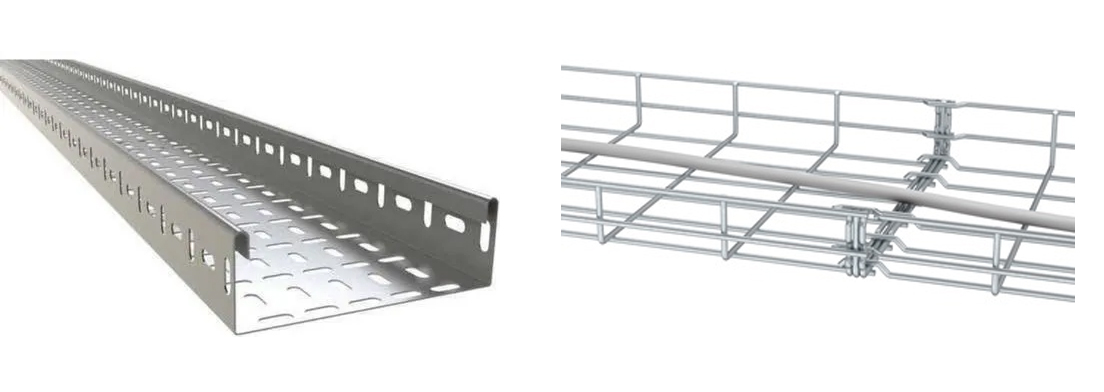
Wire mesh cable trays (also known as cable baskets) are support systems made from high-quality stainless or galvanized steel wires. They form a strong, open-frame design ideal for routing and supporting electrical cables in solar installations. Unlike traditional solid cable trays, the mesh structure offers several practical advantages.

Benefits of Using Wire Mesh Cable Trays for Solar Installations

1. Superior Ventilation and Heat Dissipation

In hot climates—such as those found across Southeast Asia—proper airflow around cables is critical. Wire mesh trays for solar panel wiring allow heat to escape efficiently, preventing overheating and extending the life of your cables.

2. Easy Installation and Customization

One of the biggest advantages of wire mesh cable trays in solar projects is their flexibility. Installers can cut and shape trays on-site without the need for special tools, allowing quick adjustments to fit around obstacles or align with the layout of your solar PV system.

3. Corrosion Resistance for Outdoor Durability

For outdoor solar mounting systems, using corrosion-resistant materials is a must. Galvanized or stainless steel wire mesh trays are highly resistant to rust and weather damage, making them ideal for rooftops, ground installations, and high-humidity environments.

4. Improved Cable Visibility and Maintenance Access

The open structure of wire mesh trays means that all cables are visible and accessible at all times. This simplifies routine maintenance, troubleshooting, and future expansion of your solar power system.

5. Lightweight Yet Strong

Despite their open design, wire mesh trays for solar applications are incredibly strong and capable of supporting heavy cable loads. Their lightweight construction also reduces the load on roof structures in roof-mounted PV systems.

Why It Matters for Your Solar Energy Project

Choosing the right cable management system isn’t just a technical decision—it’s a strategic one. Poor cable organization can lead to overheating, electromagnetic interference, difficult maintenance, and even safety hazards. By choosing wire mesh cable trays for your solar project, you're investing in:

Long-term reliability

Efficient energy delivery

Lower installation costs

Cleaner and more professional-looking systems

Final Thoughts

If you're planning a commercial solar energy installation, upgrading an existing system, or building a new solar PV project, don’t underestimate the role of proper cable management. Wire mesh cable trays offer a perfect balance of strength, flexibility, and longevity—especially in demanding environments.

Looking to optimize your solar project? Start with the foundation—choose wire mesh cable trays for a cleaner, safer, and more efficient setup.