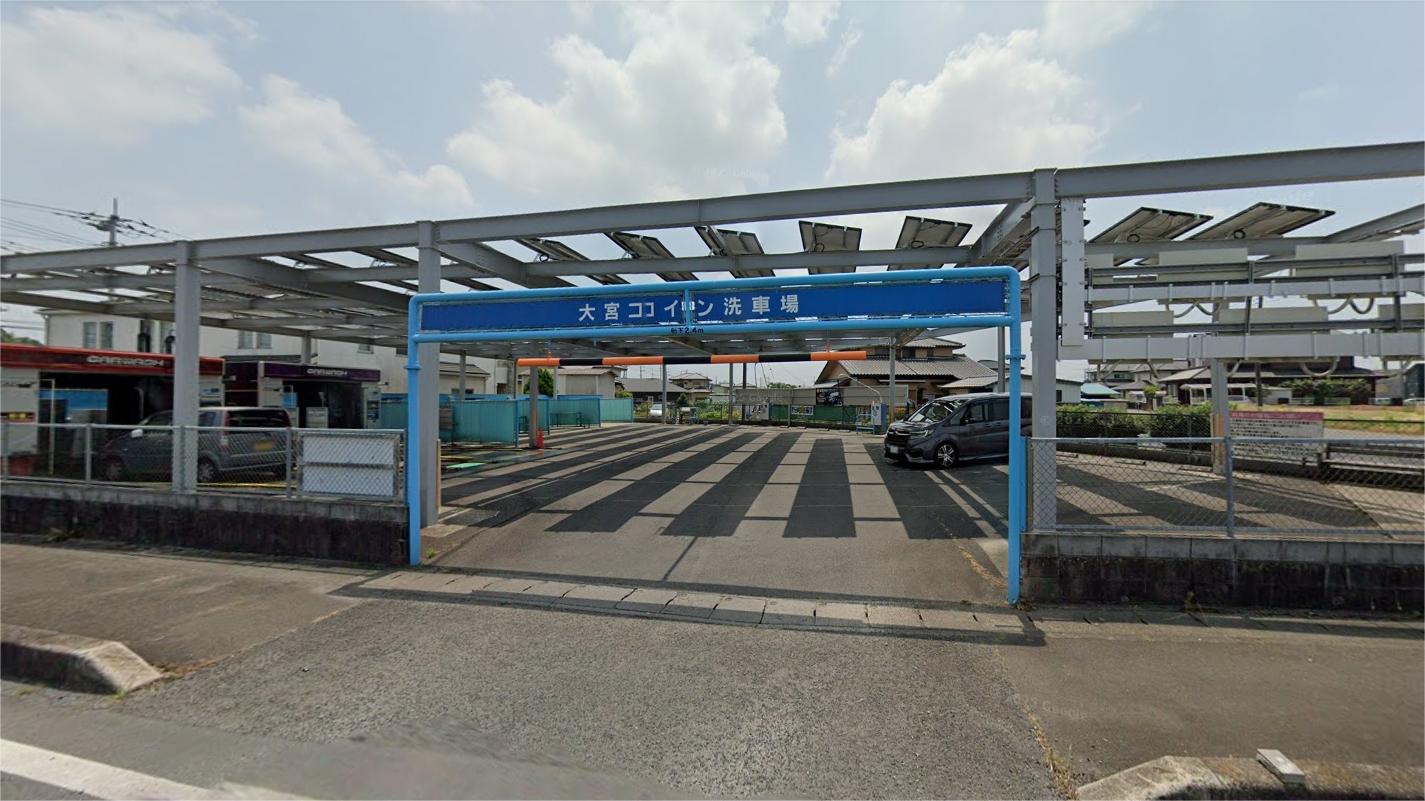
Project Highlight | 998.68 kW Steel Mounting Solution — Concrete Pole Mounting in Thailand

We’re proud to share a successful JinMega installation — a 998.68 kW solar project in Thailand equipped with our Steel Mounting Solution — Concrete Pole Mounting. This system is designed for sites where ground space is limited or challenging — from rural landscapes to uneven terrain — offering a robust, space-efficient solution for maximizing solar output.


Why it works for Thailand’s diverse terrain

·Pre-stressed high-strength foundation ideal for large-scale solar parks in diverse terrains.

·Simple construction with pre-assembly services for a faster build.

·Customized to meet unique site conditions and maximize performance.


At JinMega, we create solar mounting solutions that adapt to your environment — not the other way around. Explore how our Ground Solar Mounting System can power your next project with stability, speed, and savings. Learn more at www.jinmegasolar.com


Project Update | Rooftop Solar System in Zhangzhou, Fujian

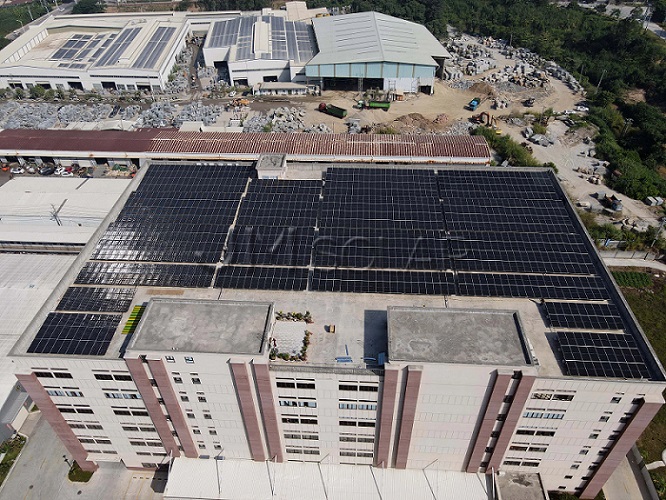
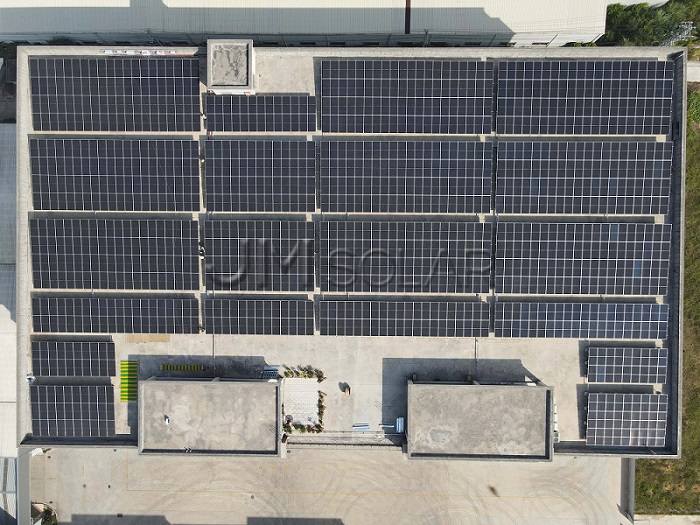
We’re excited to share another successful project delivered by JinMega — a 399.32kWp distributed rooftop solar system for Tianyi Art, located in Zhangzhou, Fujian


This C&I solar distributed project adopts the installation methods of flat roof and metal roof. The roof layout design service and mounting systems are provided by JinMega Solar, designed to ensure structural stability and long-term durability. With a projected annual generation of approximately 480,000 kWh, the project will significantly offset the client’s electricity consumption, reducing operational costs and carbon emissions.


Learn more about our rooftop solar mounting systems at www.jinmegasolar.com


Ground-Mounted vs Rooftop Solar Mounting Systems A Comparative Analysis

When planning a solar installation, one of the most important decisions you'll face is whether to go with a ground-mounted or rooftop-mounted solar system. Both types of solar mounting systems come with unique benefits and limitations, depending on your site conditions, energy goals, and budget.

This article breaks down the key differences between ground-mounted and rooftop solar mounting systems to help you make an informed choice.


solar array structure 


1. Installation Location and Space Requirements

Rooftop Systems

Installed on existing building roofs.

Ideal for residential, commercial, and industrial rooftops.

Makes use of otherwise unused space.

Limited by roof size, orientation, and structural integrity.

Ground-Mounted Systems

Installed directly on open land or fields.

Suitable for solar farms, agricultural, or large industrial projects.

Requires more available land area but offers design flexibility.

Verdict: Rooftop systems are perfect for urban settings; ground mounts are better for large-scale projects with land availability.


2. Ease of Installation and Maintenance

Rooftop:

May require structural assessments before installation.

More challenging to access for cleaning or repairs.

Installation complexity increases with roof pitch and height.

Ground-Mounted:

Easier to install and expand.

Easy access for inspection, cleaning, or replacement.

Suitable for trackers or adjustable tilt systems.

Verdict: Ground-mounted systems offer easier maintenance and future upgrades.


ground mount solar installation 


3. System Efficiency and Energy Output

Rooftop:

Angle and direction depend on the roof design.

Limited ability to optimize tilt and orientation.

May suffer from shading by nearby structures.

Ground-Mounted:

Greater flexibility to optimize the tilt and azimuth.

Can be spaced to avoid shading.

Supports dual-axis tracking systems for higher yield.

Verdict: Ground mounts generally achieve higher efficiency due to customizable design.


4. Structural Considerations and Safety

Rooftop:

Loads must be carefully calculated to protect the building.

Penetrative installations require waterproofing.

Lightweight materials like aluminum are commonly used.

Ground-Mounted:

Structure designed independently of buildings.

Allows the use of heavier-duty steel structures.

Better resistance to extreme wind or snow loads.

Verdict: Ground-mounted systems offer greater structural flexibility and durability.


solar ground mounting structure 


5. Cost Implications

Rooftop:

Lower initial cost due to shared infrastructure (e.g., no land cost).

May involve higher labor cost due to rooftop work conditions.

Ground-Mounted:

Higher initial investment due to land preparation, foundations (e.g., C-steel piles or screw piles), and longer cable runs.

Lower operational costs over time in large-scale applications.

Verdict: Rooftop systems are more economical for small-scale use; ground-mounted systems scale better for utility-sized projects.


6. Use Case Scenarios

Scenario

Recommended System

Residential home with limited land

Rooftop Mount

Industrial plant with metal roof

Rooftop with clamps

Solar farm or large flat land

Ground Mount

Agricultural integration (Agri-PV)

Ground Mount

Off-grid cabin in remote location

Ground or rooftop


Conclusion

Both ground-mounted and rooftop solar mounting systems play vital roles in the renewable energy landscape. The decision depends on your available space, budget, energy needs, and site-specific factors.

By understanding the strengths and trade-offs of each system, you can ensure that your solar installation delivers maximum return on investment and long-term performance.

How to Choose the Right Solar Mounting System?

As the demand for clean energy rises, choosing the right solar mounting system becomes a critical step in ensuring the long-term performance, safety, and cost-effectiveness of your solar project. Whether it's a rooftop installation or a ground-mounted array, selecting the appropriate structure can impact everything from energy yield to installation time and maintenance.

Here’s a step-by-step guide to help you evaluate and select the ideal solar mounting solution for your needs.


solar structure design for rooftop 


1. Identify the Installation Type

Solar mounting systems can generally be divided into two categories:

Rooftop Mounting Systems: Suitable for residential, commercial, and industrial roofs. These can include:

Metal roof clamps

L-feet with rails

Adjustable tile hooks

Ballasted systems for flat roofs

Ground Mounting Systems: Ideal for utility-scale projects or areas with available land. Types include:

C-steel pile structures

H-beam foundations

Screw pile or helical foundations

Single- or double-pillar frames

 Tip: For rooftops with limited structural capacity, ballasted systems are non-penetrating and reduce the risk of leaks.


2. Consider Your Site Conditions

Understanding your project’s environment helps determine the best material and structure design.

Wind Load & Snow Load: Choose systems tested for local climate stresses.

Soil Conditions (for ground mounts): Use geotechnical reports to decide between concrete, screw piles, or driven posts.

Roof Orientation & Angle: Flat roofs may need tilting brackets to achieve optimal solar angles.

Corrosion-resistant materials like aluminum and ZAM (zinc-aluminum-magnesium) steel are ideal for coastal or humid regions.


solar panel mounting structure design 


3. Choose the Right Material

The material of your mounting system affects its durability and maintenance needs.

Material

Key Features

Aluminum Alloy

Lightweight, corrosion-resistant, aesthetic

Carbon Steel (HDG)

Strong and cost-effective, needs proper galvanizing

Stainless Steel

High corrosion resistance, used for key fasteners

Ensure that all fasteners and clips are made from high-quality materials for long-term reliability.


4. Installation Efficiency

A well-designed mounting system can significantly reduce installation time and labor costs.

Pre-assembled components simplify on-site work.

Modular design allows for easy scaling of your system.

Rail-less systems are increasingly popular for residential projects due to faster deployment.


photovoltaic bracket


5. Compliance and Certification

Make sure the system complies with local regulations and international standards such as:

AS/NZS 1170

IEC 61215 / UL 2703

TUV, CE, ISO certifications

Partner with manufacturers who provide structural calculations and wind/snow load tests.


6. Consider Your Budget

While cost is important, it’s crucial to balance price with quality and longevity. A cheaper system may lead to higher maintenance or replacement costs over time.


carport mounting system 


7. After-Sales Support

A reliable solar mounting system supplier should offer:

Technical support

Installation guides or videos

Warranty (typically 10–25 years)

Fast delivery and replacement parts


Conclusion

Choosing the right solar mounting system is not a one-size-fits-all process. It requires careful analysis of your project’s site, structural needs, and long-term goals. By focusing on durability, compliance, installation ease, and local conditions, you can ensure your solar investment delivers maximum returns for years to come.

How to Design a Stable Foundation for C-Steel Ground Mounts?

Designing a reliable foundation is crucial for ensuring the long-term stability and efficiency of ground-mounted solar systems. Among the many support systems used today, C-steel ground mounts stand out for their strength, cost-effectiveness, and adaptability. But how do you ensure these mounts are anchored securely to withstand environmental forces? Let’s explore the key design principles and structural considerations for a stable foundation.


installing ground mounted solar panels


1. Understand Site Conditions

Before designing the foundation, conducting a thorough site analysis is essential. Key factors include:

Soil Type & Bearing Capacity: Loamy soils, clay, and sand have varying load capacities, which influence foundation choices.

Topography: Slopes or uneven terrain may require stepped or customized mounting structures.

Wind Load & Snow Load: Local climate data helps calculate horizontal and vertical forces acting on the structure.

· 

2. Choose the Right Foundation Type

C-steel ground mounts, as shown in the image, are typically paired with one of the following foundation types:

Concrete Footings (Ballasted): Ideal for sites with poor soil or when minimal ground penetration is preferred. These round or square blocks distribute weight and resist uplift.

Driven Piles or Ground Screws: Used for stronger soil conditions. They offer fast installation and minimal site disturbance.

In the sample structure above, we observe a ballasted system with pre-cast concrete blocks, supporting galvanized steel posts. This method provides enhanced flexibility and is suitable for both temporary and permanent installations.


solar panel rack solar panels & kits


3. Structural Bracing and Support

To ensure maximum system stability:

Diagonal bracing is essential to resist lateral forces and wind shear.

Cross bars and support beams made from C-steel improve rigidity and module alignment.

Ground anchoring or anti-lift rods can be added in high wind zones to prevent structural uplift.

The close-up detail in the image shows precise interlocking between rails and posts using brackets and bolts, ensuring tight connections without sacrificing adjustability.


4. Material Durability

For long-term reliability, all steel components should be:

Hot-dip galvanized or zinc-aluminum-magnesium coated for corrosion resistance

Engineered for local code compliance, especially in seismic or cyclone-prone regions

C-steel offers an optimal balance between strength and weight, making it suitable for large-scale solar projects across varied environments.


ground mounted solar structure design


5. Easy Maintenance and Modularity

A well-designed C-steel mount foundation should offer:

Modular installation with standardized parts

Accessible maintenance paths

Compatibility with different panel sizes and tilt angles

These features reduce future operational costs and extend the system lifespan.


Conclusion

Designing a stable foundation for C-steel ground solar mounts is a blend of engineering precision and environmental adaptation. By selecting the right foundation type, ensuring structural bracing, and using high-quality materials, developers can create efficient and long-lasting solar installations.

How to Prevent Water Leakage in Rooftop Solar Mounting Installations?

Installing solar panels on a rooftop is a smart investment—but if not done correctly, it can lead to one of the most common homeowner concerns: water leakage. Improper mounting techniques, low-quality materials, and lack of waterproofing measures can compromise your roof’s integrity, causing costly damage. In this blog post, we explore key strategies to prevent water leakage during rooftop solar mounting system installations.


structure design for solar panels 


1. Use the Right Mounting System for the Roof Type

Each roof type—metal sheet, concrete, or tile—requires a tailored pv mounting solution. Choosing the wrong components or installation method increases the risk of water ingress.

Metal Roofs: Use L-feet with EPDM rubber washers and self-tapping screws designed for waterproof sealing. For standing seam roofs, opt for non-penetrating clamps.

Concrete Roofs: Use properly sealed anchor bolts or a ballasted system to avoid penetration altogether.

Tile Roofs: Install roof hooks beneath tiles and ensure broken or cut tiles are replaced and sealed correctly.


2. Ensure Proper Waterproofing at Penetration Points

Roof penetration is often unavoidable, especially with L-foot systems. Therefore, sealing these areas correctly is critical.

Best Practices:

Apply EPDM or butyl rubber gaskets between mounting hardware and the roof surface.

Use waterproof sealant (such as polyurethane or silicone-based) around screw holes.

Choose self-flashing mounts for additional leak protection.

For concrete anchors, apply waterproof membrane or sealant at the base to prevent water seepage through cracks.


stainless steel wire basket tray


3. Maintain Slope Drainage and Avoid Blockages

Solar rails and panels should be installed with proper alignment to avoid obstructing natural water flow on the roof.

Do not block roof drainage paths, gutters, or scuppers.

Leave enough clearance between panels and roof to allow airflow and rainwater drainage.

Use cable trays and accessories that do not impede water flow.


4. Use High-Quality Fasteners and Materials

Cheap or incompatible fasteners can rust, crack, or loosen over time, leading to leaks.

Use stainless steel or aluminum components with corrosion resistance.

Avoid mismatched materials that can cause galvanic corrosion.

Regularly inspect rubber gaskets and replace aged or degraded sealing components.


solar mounting brackets


5. Work with Professional Installers

Experienced solar installers follow strict standards to ensure watertight integrity.

Ensure they follow roof manufacturer guidelines.

Request a leak-proof warranty or waterproofing guarantee.

Confirm that pre-drilling, sealing, and tightening are all done per best practices.


Conclusion

Water leakage in rooftop solar installations is preventable with the right combination of quality products, skilled installation, and waterproofing techniques. Investing in a reliable solar panel mounting system and professional team not only protects your solar investment but also safeguards your home.

Is C-Shaped Steel Still the Best Choice for Solar Ground Mounts in 2025?

As solar mounting structure technology continues to evolve, material selection remains a key focus in the industry. C-shaped steel has long dominated the ground-mounted solar racking market due to its structural advantages. However, with the emergence of new materials and manufacturing techniques in 2025, is C-shaped steel still the optimal choice? This article analyzes its competitiveness in terms of cost, strength, installation efficiency, and sustainability.


ground-mounted solar racking supplier


1. Key Advantages of C-Shaped Steel

C-shaped steel solar mounts are widely favored for the following reasons:

.Cost-Effectiveness: Compared to aluminum or composite materials, C-shaped steel is more affordable, making it ideal for large-scale solar farms.

.High Strength: Its cross-sectional design provides excellent bending and compression resistance, adapting to diverse terrains and weather conditions.

.Easy Installation: Standardized components allow for quick assembly, significantly reducing construction time.


2. Emerging Challenges in 2025

Despite its benefits, C-shaped steel faces competition from new alternatives:

.Aluminum Racking: Lighter and more corrosion-resistant, suitable for coastal or high-humidity regions, but at a higher cost.

.Composite Materials: Such as carbon fiber-reinforced polymers (CFRP), offering superior strength-to-weight ratios, though still expensive for mass adoption.

.Smart Tracking Systems: As solar systems become smarter, traditional fixed-tilt C-shaped steel racks may require upgrades to stay competitive.


ground mount solar


3. Why C-Shaped Steel Remains Competitive

In 2025, C-shaped steel ground mounts will likely retain dominance in:

.Utility-Scale Solar Plants: Where cost efficiency is critical, C-shaped steel remains unbeatable.

.Low to Moderate Wind Zones: Its structural performance meets requirements in areas with mild wind loads.

.Standardized Projects: Well-established supply chains ensure fast deployment.


4. Future Innovations for C-Shaped Steel

To maintain its edge, C-shaped steel solar racks should focus on:

.Advanced Coatings: Zinc-aluminum-magnesium (ZAM) coatings for enhanced corrosion resistance.

.Lightweight Optimization: Improved cross-sectional designs to reduce material use without compromising strength.

.Smart Tracking Integration: Developing C-shaped steel-compatible tracking solutions for high-efficiency applications.


ground mount for solar system


Conclusion

While new materials are emerging, C-shaped steel solar ground mounts remain a top choice in 2025 due to their proven reliability, low cost, and adaptability. However, continuous innovation in durability and smart compatibility will be essential to sustain its leadership in the evolving solar mounting industry.

Is C-Shaped Steel the Most Reliable Option for Your PV Installation?

When planning a solar PV installation, choosing the right solar mounting structure is as critical as selecting the panels themselves. A reliable structure ensures long-term stability, safety, and cost efficiency over the project’s lifespan. Among the various options available, C-shaped steel has emerged as a leading choice for many in the solar industry.

But is it truly the most reliable option for your project? Let’s take a closer look.


solar ground mounting systems 


What Is C-Shaped Steel?

C-shaped steel, also known as C-channel steel, is a roll-formed structural profile widely used in solar ground mounting systems. It gets its name from its cross-sectional shape, resembling the letter "C". This shape delivers an ideal balance between strength, lightweight construction, and material efficiency.


Key Advantages of C-Shaped Steel

1. High Structural Strength

The C-channel profile offers excellent load-bearing capacity, making it suitable for various PV configurations and harsh environmental conditions such as high wind zones, snow-prone areas, and seismic regions.

Strong enough for utility-scale solar farms

Performs well on uneven or soft terrain

Reduces risk of structural deformation over time

2. Corrosion Resistance with ZAM or HDG Coating

When made from ZAM coated steel or hot-dip galvanized steel (HDG), C-shaped steel provides outstanding corrosion protection—essential for 25+ years of outdoor exposure.

Excellent performance in coastal and high-humidity areas

Long-lasting resistance against rust, acid rain, and salty air

Minimal maintenance costs


C-channel PV mounting systems


3. Ease of Installation

Thanks to its standardized dimensions and modular design, C-channel PV mounting systems are easy to handle and quick to assemble—saving valuable time during project deployment.

Simplified on-site logistics

Compatible with both pile-driven and concrete foundations

Supports both landscape and portrait module layouts

4. Cost Efficiency

With optimized material usage and reduced manufacturing complexity, C-shaped steel structures offer a lower cost per watt compared to other steel profiles.

Lower transportation and storage costs

Fast return on investment due to shorter installation time

Competitive pricing without sacrificing durability


solar ground mount 


When Is C-Shaped Steel the Best Choice?

C-shaped steel is especially well-suited for:

Large-scale ground-mounted PV systems

Projects in corrosive or challenging climates

Installations with strict budget and timeline constraints


Final Verdict

So, is C-shaped steel the most reliable option for your PV installation? In many cases, yes—especially when you need a structure that delivers long-term performance, affordable pricing, and proven field durability. When coated with ZAM or hot-dip galvanization, it becomes even more powerful in resisting environmental wear and tear.

For project developers, EPCs, and investors looking to maximize system lifespan and minimize risk, C-shaped steel solar panel mounting structures are a smart, forward-thinking choice.

What Are the Safety Advantages of Wire Mesh Cable Trays for Solar Arrays?

Safety Advantages of Wire - Mesh Cable Trays for Solar Arrays

In the installation and operation of solar arrays, cable management is a crucial aspect, and wire mesh cable trays bring many significant safety advantages to solar arrays with their unique design and characteristics.


cable basket


1. Excellent Mechanical Protection Performance

Wire mesh cable trays are made of metal wires woven or welded together, which endows them with outstanding impact and compression resistance. In the outdoor environment of solar arrays, cables may be subjected to external forces such as hail impacts and debris impacts blown by strong winds. The wire - mesh cable tray can effectively resist these impacts and protect the internal cables from damage, avoiding potential safety hazards such as leakage and short - circuits caused by cable sheath damage.

In addition, during the installation and maintenance process, construction workers may accidentally bump into the cables. The frame structure of the wire mesh cable tray can disperse the impact force generated by the collision, reducing the direct damage to the cables and ensuring the normal operation and service life of the cables.


2. Good Heat - Dissipation Performance

During the power generation process of solar arrays, cables will generate a certain amount of heat. If the heat cannot be dissipated in a timely manner, the temperature of the cables will rise, accelerating the aging of the cable insulation layer and even possibly causing serious accidents such as fires.

The open structure of the wire mesh cable tray gives it excellent ventilation and heat - dissipation performance. Air can flow freely inside the tray, quickly taking away the heat generated by the cables and effectively reducing the operating temperature of the cables. This not only extends the service life of the cables but also reduces the risk of safety accidents caused by overheating.


stainless steel wire basket tray


3. Fire - Retardant Characteristics

To ensure the safe operation of solar arrays, cable trays are usually made of materials with fire retardant properties. Wire - mesh cable trays are no exception. Their metal materials are inherently non flammable, and some wire mesh cable trays will undergo special fire - retardant treatments to further improve their fire retardant performance.

In the event of a fire, the wire mesh cable tray can prevent the spread of the fire, buying valuable time for personnel evacuation and fire fighting and reducing the losses caused by the fire.


4. Easy Installation and Stability

The structure of the wire mesh cable tray is simple, and it is quick and easy to install. Its components can be quickly connected through bolts, clips, etc., greatly shortening the construction period and reducing the installation cost. At the same time, its stable structural design can ensure stability under various complex terrains and climatic conditions and will not easily deform or collapse under external forces, providing reliable support and protection for the cables.

In addition, the installation height and angle of the wire mesh cable tray can be flexibly adjusted according to actual needs, which can better adapt to the layout of the solar array and terrain changes, further improving the safety and reliability of the system.


solar tray cable

5. Easy Maintenance and Inspection

Since the wire mesh cable tray has an open structure, maintenance personnel can conveniently inspect and maintain the internal cables. Once problems such as cable damage or aging are found, they can be dealt with in a timely manner to prevent the expansion of faults.

At the same time, this open design is also conducive to heat dissipation and ventilation, reducing the failure rate of cables caused by dust accumulation, moisture, and other reasons, and reducing maintenance costs and workload.

In summary, wire mesh cable trays have indelible safety advantages in solar arrays. They can not only effectively protect the cables and reduce the probability of safety accidents but also improve the reliability and maintainability of the system, providing a solid guarantee for the long term stable operation of solar arrays. When choosing a cable tray, fully considering its safety performance is of great importance for the successful construction and efficient operation of the solar array.

What Makes C-Shaped Steel Ground Mounts Ideal for Solar Projects?

When it comes to solar ground mount systemsC-shaped steel has become one of the most widely used materials in the industry. Its unique combination of strength, affordability, and versatility makes it a top choice for utility-scale and commercial solar racking installations. But what exactly sets C-shaped steel solar mounts apart? Let’s explore the key benefits that make them ideal for photovoltaic (PV) projects.


solar racking supplier


Superior Strength & Durability

C-shaped steel is engineered to withstand harsh environmental conditions, including:

High wind loads – The structural rigidity of C-shaped steel prevents bending or deformation, even in extreme weather.

Heavy snow loads – Its load-bearing capacity ensures stability in regions with heavy snowfall.

Corrosion resistance – With galvanized or powder-coated finishesC-shaped steel mounts resist rust, extending their lifespan to 25+ years.


Cost-Effectiveness for Large-Scale Solar Farms

Compared to aluminum or composite rackingC-shaped steel offers significant cost savings, making it ideal for:

Utility-scale solar plants – Lower material costs reduce overall project expenses.

High-volume installations – Prefabricated components speed up assembly, cutting labor costs.

Budget-conscious projects – Delivers reliable performance without premium pricing.


solar ground mount supplier


Easy & Fast Installation

The modular design of C-shaped steel ground mounts allows for:

Quick assembly – Bolted connections simplify on-site construction.

Adjustable configurations – Adaptable to different terrains (flat land, slopes, or uneven ground).

Minimal maintenance – No complex moving parts mean fewer long-term servicing needs.


Compatibility with Tracking Systems

Modern solar tracking systems can be integrated with C-shaped steel structures, enhancing energy output by:

Single-axis & dual-axis tracking – Improves solar panel efficiency by following the sun’s path.

Retrofitting existing mounts – Allows upgrades without replacing the entire structure.


ground mount for solar panel system


Sustainability & Recyclability

C-shaped steel supports green energy initiatives by being:

100% recyclable – At the end of its lifecycle, steel can be repurposed without waste.

Low carbon footprint – Production processes are increasingly optimized for sustainability.


Conclusion: Why C-Shaped Steel Remains a Top Choice

For solar developers and EPC contractorsC-shaped steel ground mounts provide the perfect balance of durability, affordability, and efficiency. Whether for large solar farms or commercial installations, its proven performance ensures long-term reliability.

As technology evolves, innovations like smart coatings and hybrid designs will further enhance C-shaped steel’s role in the future of solar mounting systems.