Understanding Thin Film Photovoltaics A Revolution in Solar Technology

As the demand for renewable energy grows, innovations in solar technology continue to shape the industry. One of the most promising advancements is thin film photovoltaics (TFPV)—a lightweight, flexible, and efficient alternative to traditional silicon-based solar panels.


What Are Thin Film Photovoltaics?

Thin film photovoltaics are a type of solar cell made by depositing one or more layers of photovoltaic material onto a substrate such as glass, plastic, or metal. Unlike conventional crystalline silicon panels, thin film solar cells are lightweight and flexible, making them ideal for a variety of applications.

The key materials used in thin film solar cells include:


Cadmium Telluride (CdTe) One of the most efficient and cost-effective thin film technologies.


Amorphous Silicon (a-Si) A non-crystalline form of silicon used in flexible solar panels.


Copper Indium Gallium Selenide (CIGS) Known for its high efficiency and durability.


Perovskite Solar Cells A new and promising technology with potential for high efficiency at lower costs.


Advantages of Thin Film Photovoltaics

Lightweight & Flexible


Thin film solar panels are thinner and lighter than traditional silicon-based panels, making them easier to transport and install.

Their flexibility allows them to be integrated into curved surfaces, vehicles, and building facades.


Lower Manufacturing Costs


Thin film solar panels require less material and simpler production processes, reducing manufacturing costs compared to conventional silicon panels.


Better Performance in Low-Light Conditions


Unlike traditional panels, thin film PVs perform better in diffused light, making them ideal for areas with cloudy weather or shaded environments.


Enhanced Aesthetic Integration


Their sleek and uniform appearance allows for seamless integration into architectural designs, including solar windows and facades.


Challenges of Thin Film PV Technology

Despite its advantages, thin film photovoltaics face some challenges:


Lower Efficiency Compared to Silicon Panels While improving, thin film solar cells still generally have lower conversion efficiency than monocrystalline silicon panels.


Shorter Lifespan Some thin film materials degrade faster, reducing their long-term performance.


Environmental Concerns  Some materials, such as cadmium telluride (CdTe), require careful disposal due to their toxicity.


Applications of Thin Film Solar Panels

Thin film photovoltaics are widely used in various applications, including:


Building-Integrated Photovoltaics (BIPV) Used in solar windows, facades, and rooftops for energy-efficient buildings.


Portable Solar Devices Ideal for wearable tech, solar chargers, and camping equipment.


Utility-Scale Solar Farms CdTe and CIGS panels are increasingly used in large-scale solar power plants.


Agrivoltaics Integrated into greenhouses and farming environments to generate energy while allowing light penetration for crops.


The Future of Thin Film Photovoltaics

With continuous advancements in material science and manufacturing techniques, thin film solar panels are becoming more efficient, durable, and cost-effective. Research into perovskite solar cells and hybrid technologies could push thin film PV efficiency beyond traditional silicon-based panels, making them a key player in the future of solar energy.

As solar technology evolves, thin film photovoltaics will play a crucial role in expanding solar energy adoption across diverse industries, helping drive a more sustainable and energy-efficient world.

What Are the Best Practices for Maintaining Metal Roof Brackets Over Time?

When it comes to solar mounting systems, metal roof brackets play a crucial role in ensuring the stability and longevity of your solar panels. However, like any outdoor installation exposed to the elements, regular maintenance is necessary to ensure the mounting system remains secure and efficient throughout its lifespan. In this blog post, we'll walk you through the best practices for maintaining solar mounting brackets, ensuring they continue to function optimally for years to come.


1. Regular Visual Inspections

One of the easiest and most effective ways to maintain your solar roof mounting system is by conducting regular visual inspections. At least twice a year, ideally before and after extreme weather conditions (like storms or heavy snowfall), check for any visible signs of wear and tear. Look for:

· Loose fasteners or bolts: Over time, wind and other factors can loosen the brackets, making them unstable.

· Rust or corrosion: Metal brackets are prone to rust if exposed to moisture for prolonged periods. Early detection of corrosion can prevent long-term damage.

· Cracks or fractures: Ensure that the brackets are intact and free from any visible cracks that could compromise their strength.


2. Cleaning and Removing Debris

Keeping your solar mounting system for metal roofs clean is essential for preventing potential issues. Dirt, leaves, and debris can build up around the mounting brackets and rails, leading to water pooling, which can cause rust and corrosion over time. Here’s how you can clean your mounting system:

· Use a soft brush or cloth to remove debris around the brackets.

· Avoid harsh chemicals that could damage the mounting system.

· If your roof brackets are in an area with high salt exposure (like coastal regions), rinse them occasionally with fresh water to reduce salt accumulation, which can accelerate corrosion.


3. Inspecting and Tightening Fasteners

Over time, vibration from wind or expansion and contraction from temperature changes can cause fasteners to loosen. Regularly check and tighten all nuts, bolts, and screws on your solar panel mounting brackets to ensure they remain secure. This not only improves the structural integrity of your system but also reduces the risk of shifting panels that can affect your energy efficiency.


4. Corrosion Protection

For solar roof hook systems, ensuring corrosion protection is key to extending their lifespan. Many metal roof brackets come with a powder-coated or galvanized finish that resists corrosion. However, this protective coating can wear off over time. If you notice any exposed metal or spots where the coating has worn away, consider applying a protective layer of anti-corrosion coating or rust-resistant paint to help preserve the metal and prevent rusting.


5. Ensure Proper Drainage

Water pooling around your solar panel mounting system for metal roofs can quickly lead to rust and corrosion. Ensuring proper drainage is essential to maintaining your metal roof brackets. Check for any blockages in gutters or areas where water could accumulate and cause issues. Keeping drainage systems clear will help avoid water damage to both the roof and the mounting system.


6. Monitoring for Structural Shifts

Regularly monitor the overall integrity of your solar mounting structure. Sometimes, due to roof settling or extreme weather events, the mounting system may experience slight shifts. While metal roof brackets are designed to withstand the elements, it’s always wise to ensure that the mounting structure is still aligned and properly secured.


7. Professional Inspections

While DIY inspections are essential, it’s also a good idea to have your solar panel mounting system professionally inspected every few years. Solar installation professionals can detect issues that may not be obvious to the untrained eye, such as hidden corrosion, structural instability, or misalignment. A professional inspection helps ensure that your system continues to perform optimally and safely.


Conclusion

Maintaining your metal roof mounting brackets over time is crucial for ensuring the durability and efficiency of your solar system. By following these best practices—regular inspections, cleaning, corrosion protection, and tightening fasteners—you can extend the lifespan of your solar panel mounting system and reduce the need for costly repairs. By proactively caring for your system, you ensure that your investment continues to provide clean, renewable energy for years to come.

What Are the Best Solar Metal Roof Mounting Solutions for Residential vs. Commercial Buildings?

As solar adoption continues to rise across Southeast Asia and beyond, understanding the best solar mounting solutions for metal roofs is crucial for both residential and commercial installations. Metal roofs—especially trapezoidal and corrugated types—offer unique challenges and opportunities when integrating solar PV systems. In this post, we’ll explore various solar metal roof mounting methods and compare which are more suitable for residential versus commercial buildings.


solar mounting solutions  


Key Considerations When Choosing a Metal Roof PV Mounting Solution

Before diving into the mounting types, it’s important to assess:

Roof Type: Corrugated, trapezoidal, standing seam, etc.

Structural Load Capacity: Residential roofs often have lighter structures.

Waterproofing Needs: Penetration risks vary by solution.

Project Scale: Commercial systems are typically larger and require faster, more scalable installation.

Aesthetics and Maintenance: Especially critical for homeowners.


Solar Mounting Solutions Overview

Below is a breakdown of the most common metal roof mounting methods and their suitability for residential and commercial applications:


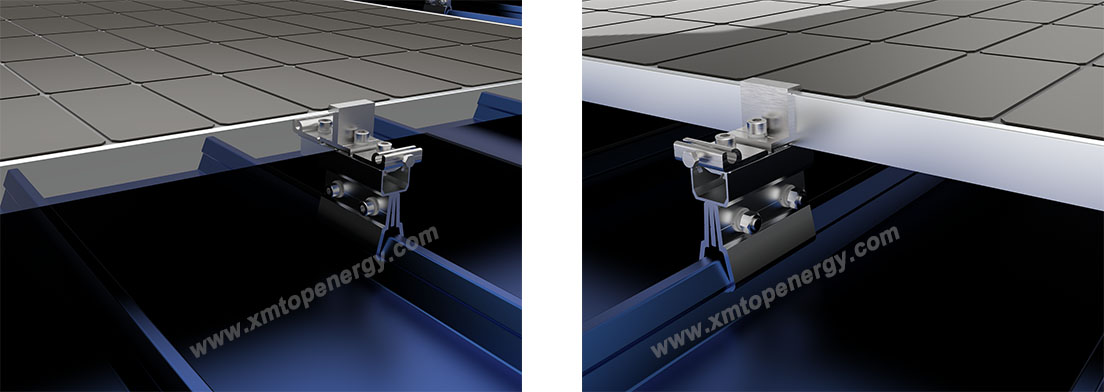
1. Roof Clamps / Roof Clips (Non-Penetrative)

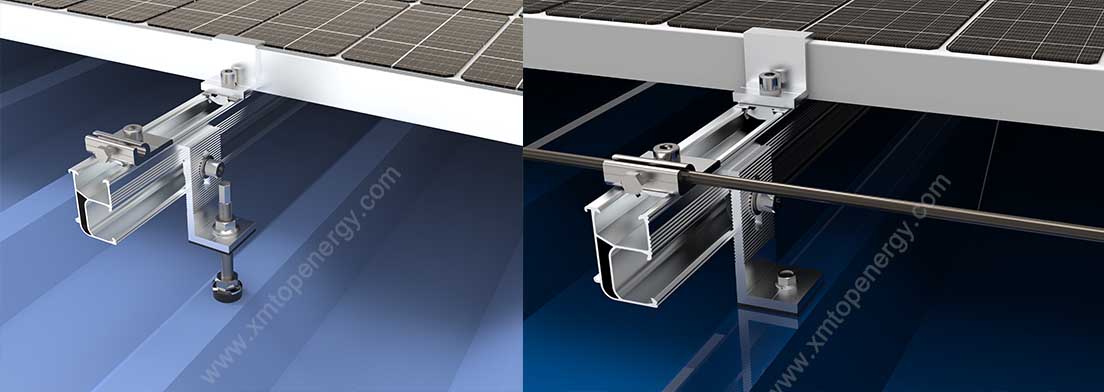
Design: Specially engineered aluminum clamps grip onto the standing seam or metal ribs without drilling.

Best For: Standing seam metal roofs

Key Benefit: Zero roof penetration = No leakage

Install Speed: Fast

Residential: Great option due to aesthetic and waterproofing advantages

Commercial: Ideal for large-scale standing seam projects


solar roof mount 


2. Rail-less Solar Mounting Systems

Design: Solar modules are mounted directly onto clamps or brackets without traditional aluminum rails.

Key Benefit: Lower material cost, lighter load

Install Speed: Very fast

Notes: Precise panel alignment is crucial

Residential: Ideal for small/medium roofs with budget constraints

Commercial: Applicable if the roof is even and well-planned


3. Mini Rails / Short Rails

Design: Short rail sections are attached to roof fasteners or clamps, reducing aluminum usage compared to full-length rails.

Key Benefit: Good balance between structure and material use

Install Speed: Moderate

Notes: Slightly better airflow and aesthetics than rail-less

Residential: Suitable for efficient installations

Commercial: Good for medium-scale systems


L foot  


4. L-Brackets + Self-Tapping Screws

Design: Simple L-shaped brackets secured to the metal roof with self-drilling screws, then attached to rails.

Key Benefit: Cost-effective and widely available

Waterproofing: Requires sealing with EPDM or butyl

Residential: Viable if waterproofing is properly handled

Commercial: Used for economy-driven large installs


5. L-Brackets + Hanger Bolts

Design: Hanger bolts provide elevated and adjustable solar mounting. Typically used with wood or purlin structures under metal sheets.

Key Benefit: Better elevation and alignment

Install Speed: Slower due to drilling and sealing

Waterproofing: Critical to apply proper flashing

Residential: Used when additional clearance is needed

Commercial: Ideal for uneven roofs or ventilation needs


solar roof mount


Final Thoughts

There’s no universal “best” solar mounting solution—each system must be tailored to the solar roof structure, local weather conditions, and project goals. For residential homes, aesthetics, waterproofing, and cost-efficiency are priorities. Roof clamps and rail-less systems often work well. On commercial buildings, speed, scalability, and durability matter more—making hanger bolts, mini rails, and L-brackets practical choices.

Need help choosing the best solution for your metal roof? Reach out for a project-specific recommendation!

What Are the Cost Differences Between Ground Screws and Traditional Foundations?

When planning a construction or solar installation project, one of the most important decisions involves choosing the right type of foundation. Two common options are ground screws and traditional concrete foundations. While both provide structural support, they differ significantly in terms of installation time, materials, labor, and overall cost. This post explores the cost differences to help you make an informed decision.


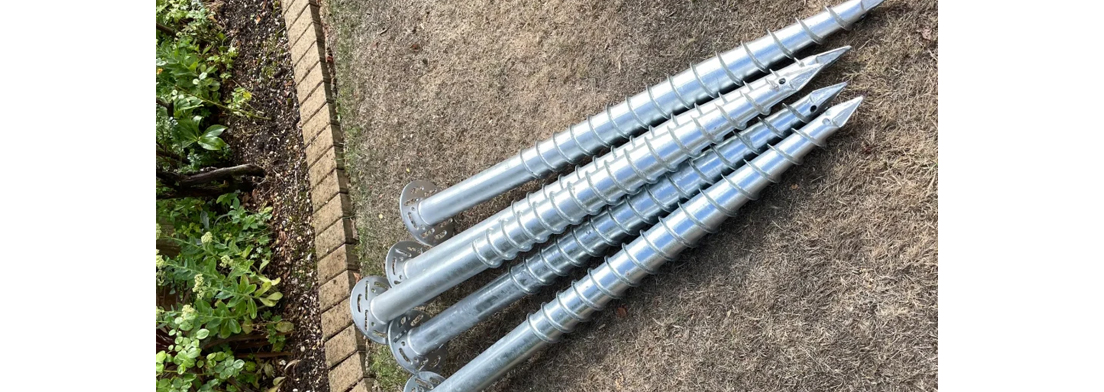
solar ground screw pile


1. Material and Equipment Costs

Ground Screws:
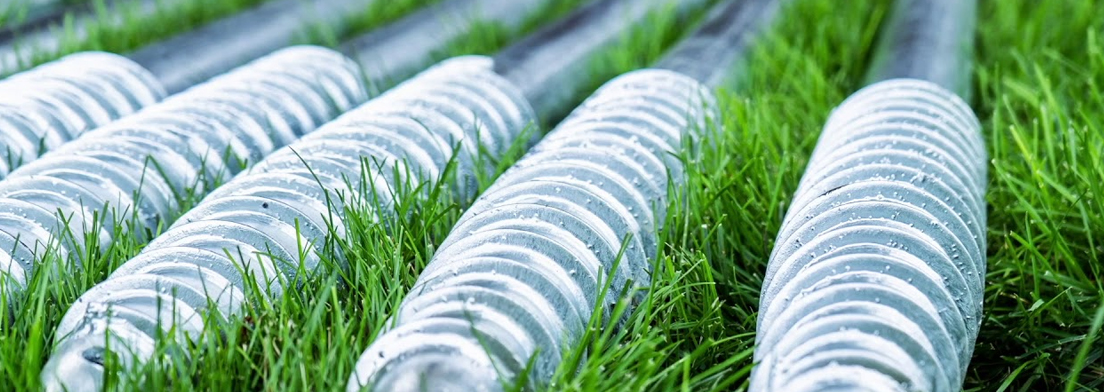
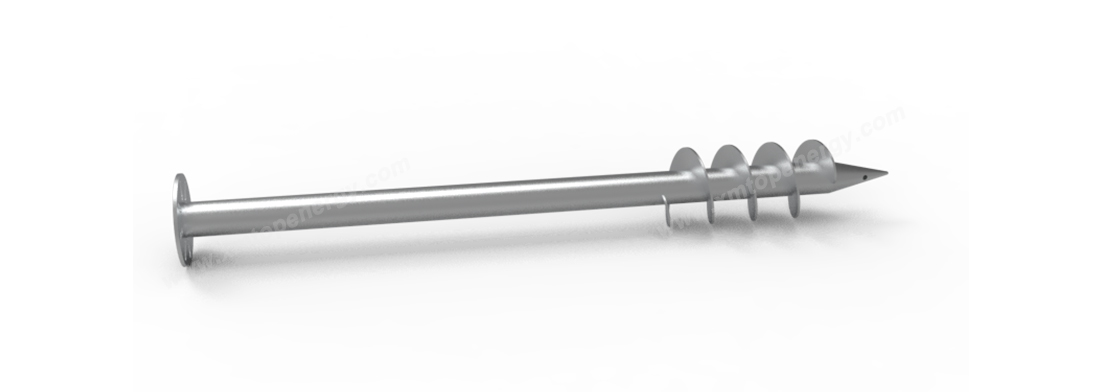
Ground screw piles are prefabricated galvanized steel elements. Their cost per unit can be higher than raw concrete per square foot. However, because they are ready-made and don’t require formwork or curing, you often save in other areas.

Traditional Foundations:
These require concrete, rebar, formwork, and sometimes gravel or sand layers. The material costs themselves may appear cheaper at first glance, but added requirements like mixing, transportation, and curing time contribute to higher total costs.

Verdict: Ground screws have higher upfront material costs, but they reduce the need for supporting materials and logistics.


2. Installation Time and Labor

Ground Screws:
Quick to install—most systems can be screwed into the ground within minutes using handheld or machine-mounted drivers. No drying or settling time is required, and weather delays are minimized.

Traditional Foundations:
Require excavation, setting forms, pouring concrete, and waiting for curing (often several days). This process is labor-intensive and can be affected by weather conditions.

Verdict: Ground screws offer significant labor and time savings—often reducing installation time by 50–70%.


ground screw pile for solar


3. Site Preparation and Flexibility

Ground Screws:
Require minimal excavation. They can be installed on sloped or uneven terrain with minimal ground disturbance, reducing the need for grading and preparation.

Traditional Foundations:
Require a flat and stable base. Additional costs are often incurred in leveling the ground or building retaining structures.

Verdict: Earth screws are more cost-efficient in challenging terrain due to minimal prep work.


4. Maintenance and Longevity

Ground Screws:
Made from corrosion-resistant materials and designed for long-term use. In many cases, they can be reused if the structure is relocated.

Traditional Foundations:
Generally durable but can crack or degrade over time, especially in areas with freeze-thaw cycles or poor drainage. Repair can be costly.

Verdict: Both offer long-term durability, but ground screws provide added value with flexibility and reusability.


screw anchors ground


5. Environmental and Regulatory Costs

Ground Screws:
Lower environmental impact due to less soil disruption and the potential to avoid excavation permits. This can reduce compliance costs and timeline risks.

Traditional Foundations:
Heavier environmental footprint due to excavation and concrete use. Permit processes may be more complex and time-consuming.

Verdict: Ground screws often lead to indirect cost savings through easier permitting and a lower environmental impact.


Conclusion

Cost Factor

Ground Screws

Traditional Foundations

Material Costs

Higher/unit

Lower/unit

Labor & Time

Lower

Higher

Site Preparation

Minimal

Extensive

Maintenance/Flexibility

High (reusable)

Moderate (permanent)

Environmental Costs

Lower

Higher

While ground screw anchors may appear more expensive in terms of unit price, they frequently result in overall lower project costs due to faster installation, reduced labor, and minimized site preparation. For solar installations, modular structures, or temporary builds, ground screw foundations offer a compelling economic advantage.

Before making a final choice, always consider the specific needs of your project site and long-term usage plans. But for many modern builds—ground screws are a smart, cost-effective alternative.


What Are the Environmental Impacts of Different Roof Mount Materials?

When considering solar energy systems, much focus is placed on the efficiency of solar panels themselves, but the materials used to support and secure these panels are just as important. The roof mount materials chosen for solar panel installations can have a significant environmental impact—both in terms of the manufacturing process and the long-term sustainability of the mounting system. In this blog post, we will explore the environmental implications of various solar racking materials, examining how they affect both the planet and your energy system’s efficiency.


1. Aluminum Roof Mounts: Lightweight, Durable, and Recyclable

Aluminum is one of the most commonly used materials in solar panel mounting systems due to its lightweight nature, resistance to corrosion, and durability. However, aluminum production is energy-intensive, requiring a significant amount of electricity. This energy consumption is the primary environmental impact of using aluminum.

· Energy consumption in production: Producing aluminum requires a large amount of energy, often derived from fossil fuels. This contributes to greenhouse gas emissions and environmental degradation. However, once produced, aluminum’s long lifespan and recyclability make it a more sustainable option compared to materials that require frequent replacement.

· Recyclability: The good news is that aluminum is highly recyclable, and recycling aluminum uses only a fraction of the energy required for its initial production. Choosing aluminum solar racking systems that are made from recycled materials can significantly reduce their environmental footprint.

Despite the initial environmental cost of aluminum production, its recyclability and durability make it a relatively eco-friendly option in the long run, especially when paired with recycling programs.


2. Stainless Steel Roof Mounts: Strong but Energy-Intensive

Stainless steel is another popular material for solar mounting systems, particularly in regions with harsh weather conditions. It's highly resistant to corrosion, making it an excellent choice for coastal areas or places with high humidity. However, just like aluminum, stainless steel production is an energy-intensive process that impacts the environment.

· Energy and resource extraction: The production of stainless steel involves mining iron ore, chromium, and nickel, which can contribute to environmental degradation through resource depletion, pollution, and energy consumption. Additionally, producing stainless steel requires high temperatures, consuming large amounts of energy and emitting CO2.

· Longevity and durability: On the positive side, stainless steel is known for its strength and corrosion resistance, ensuring that solar roof hooks and mounting brackets will last a long time without needing replacement. Its durability means that it won’t need to be replaced frequently, reducing waste over time.

While stainless steel does have a higher environmental cost in terms of production, its strength and longevity make it a good choice for long-term sustainability.


3. Galvanized Steel Roof Mounts: Cost-Effective but Less Sustainable

Galvanized steel is another popular option for solar panel mounting systems. It offers a more cost-effective solution compared to stainless steel and aluminum, and its galvanized coating provides a layer of protection against rust and corrosion. However, galvanized steel does have environmental implications.

· Environmental impact of galvanizing: The process of galvanizing steel (coating it with a layer of zinc) involves chemical treatments and the use of zinc, which has an environmental cost in terms of mining, extraction, and energy use.

· Durability: Galvanized steel is not as resistant to corrosion as stainless steel and may need more frequent replacement, especially in coastal or harsh weather environments. This could increase the overall environmental impact over time if the system needs to be replaced more often.

While galvanized steel solar mounts are a more affordable choice, their environmental cost could be higher in areas that experience significant wear and tear, as more frequent replacements could lead to higher resource consumption.


4. Plastic and Composite Roof Mounts: Lightweight and Eco-Friendly Options

In recent years, plastic and composite materials have emerged as alternatives for solar racking systems, particularly for lighter-weight or residential solar panel installations. These materials, often made from recycled plastics or biodegradable composites, are gaining popularity due to their lower environmental footprint.

· Reduced manufacturing impact: Plastic and composite materials require less energy to produce compared to metals like aluminum and steel, making them an environmentally friendly option from a production standpoint.

· Durability concerns: While these materials may have a lower environmental cost during production, their durability can sometimes be a concern. Plastic can degrade over time when exposed to UV rays, leading to potential system degradation and a shorter lifespan. Additionally, plastic mounting systems may not offer the same level of wind resistance and strength as metal counterparts, potentially affecting their long-term viability in certain environments.

For environmentally-conscious consumers looking to reduce their footprint, recycled plastic racking systems are an attractive option. However, careful consideration must be given to the longevity and strength of these materials, especially for large or high-demand installations.


5. Wooden Roof Mounts: Sustainable but Limited Use

Wood is an uncommon material for solar racking systems but can still be used in certain eco-friendly or aesthetically-focused projects. It’s a renewable resource, making it a more sustainable choice if sourced responsibly. However, wood has limitations when it comes to structural strength and longevity compared to metals and composites.

· Sustainability: When sourced from certified sustainable forests, wood can be a highly sustainable material for mounting systems. Unlike metals, wood has a low environmental impact during the production phase.

· Durability concerns: Wood can degrade over time when exposed to the elements, especially moisture, which could compromise the integrity of the solar mounting system. It may also be vulnerable to pests, such as termites, which can lead to higher maintenance and replacement needs.

Wood can be an excellent choice for small, sustainable projects, but its durability and maintenance requirements make it less suitable for large-scale solar installations or areas with harsh weather conditions.


Conclusion

The environmental impacts of different roof mounting materials for solar systems vary significantly depending on factors such as production energy consumption, material longevity, and recyclability. Materials like aluminum and stainless steel offer durability and longevity but come with a higher production cost in terms of energy use and resource extraction. On the other hand, plastic composites and wood present more sustainable options with lower manufacturing impacts, though they may not offer the same level of strength or durability.

Choosing the right solar racking system requires balancing environmental concerns with practical performance needs. By selecting materials that offer both sustainability and durability, you can help reduce the environmental footprint of your solar installation while ensuring it provides reliable, long-term energy savings. As the solar industry continues to evolve, there will likely be even more innovative and eco-friendly materials to explore, further reducing the environmental impact of solar power systems.

What Certifications Are Required for Ground-Mounted Solar Structures?

As the solar energy industry continues to expand globally, ground-mounted solar structures have become a vital component of utility-scale and large commercial solar installations. To ensure safety, durability, and compliance with national standards, these structures must meet a variety of certifications that vary from country to country. In this article, we explore the key certification requirements for ground-mounted solar structures in several major solar markets.


ground-mounted solar structures 

United States

Key Certifications and Standards

UL 2703: Safety standard for pv mounting systems, pv mounting devices, clamping devices, and ground lugs.

IBC (International Building Code): Compliance with local building codes for wind, snow, and seismic loads.

ASCE 7: Standard for determining structural loads due to wind, snow, seismic activity, and more.

PE Stamp: A structural engineering certification (Professional Engineer stamp) required for each state where the project is installed.

Special Considerations

Projects on federal land or with government incentives may require additional environmental and structural assessments.


European Union (Germany, France, Spain)

Key Certifications and Standards

Eurocode (EN 1991-1-4 for Wind, EN 1991-1-3 for Snow, etc.): European design codes for structural engineering.

CE Marking: Indicates compliance with EU safety, health, and environmental protection requirements.

ISO 9001 / ISO 14001: Quality and environmental management systems certifications, often required by EPCs and banks.

DIN Standards (Germany): German-specific design and testing standards, particularly DIN 1055 for loads on structures.

Special Considerations

Ground screws and foundations often require geotechnical approval and pull-out testing reports.


Ground screws for solar


Australia

Key Certifications and Standards

AS/NZS 1170 Series: Structural design actions including wind, snow, and seismic loads.

AS/NZS 4600: Cold-formed steel structures standard.

AS/NZS 5033: Installation of photovoltaic (PV) arrays.

RPEQ Certification (Registered Professional Engineer of Queensland): Required for projects in Queensland and some other states.

Special Considerations

Wind load assessments are critical due to cyclone-prone areas in northern Australia.


India

Key Certifications and Standards

IS 875 Part 3: Code of practice for wind loads.

IS 2062: Standard for steel materials used in structures.

MNRE Guidelines: Ministry of New and Renewable Energy provides guidance on quality and technical standards.

Third-party testing: NABL-accredited lab reports for structural integrity and corrosion resistance are often required.

Special Considerations

For government tenders, BIS certification or equivalent third-party verification may be mandatory.


Solar ground mount


Japan

Key Certifications and Standards

JIS Standards (Japanese Industrial Standards): Applied to steel materials, corrosion testing, and structural strength.

Building Standards Law (BSL): Must comply with national codes, especially in seismic zones.

JET Certification: Japan Electrical Safety & Environment Technology Laboratories often review solar project components.

Structural Analysis: Required for heavy snow zones and typhoon-prone regions.

Special Considerations

Earthquake resilience is a high priority, requiring detailed structural and foundation engineering.


China

Key Certifications and Standards

GB 50009: Load code for the design of building structures.

GB/T 50797: Design specification for PV power station installations.

China Classification Society (CCS): Certification may be required for some export-oriented projects.

Steel Structure Certification: QA/QC reports and factory qualifications often needed for large EPC projects.

Special Considerations

For export to the EU or U.S., CE or UL compliance is often expected even if not mandatory locally.


ground mount solar


Southeast Asia (Thailand, Vietnam, Philippines)

Key Certifications and Standards

Often adopt international codes:

Eurocode or ASCE 7 for structural design.

Local Building Permits: Engineering design must be approved by licensed local engineers.

Steel Material Standards: Typically follow ASTM or JIS standards.

Special Considerations

Soil conditions (e.g., clay, reclaimed land) often require pile or ground screw testing.

Corrosion protection certifications (hot-dip galvanizing per ASTM A123 or ISO 1461) are frequently requested due to tropical climates.


Conclusion

Solar ground mount structures are subject to a wide array of certifications depending on the country of installation. Whether it's UL and ASCE in the U.S., Eurocode in the EU, or IS codes in India, these standards ensure that solar installations are safe, durable, and compliant with local regulations. For international developers, understanding and complying with these certifications is essential for project approval, financing, and long-term performance.

What Makes ZAM Walkways the Best Choice for Solar Rooftop Maintenance?

In the world of solar rooftop installations, safety, durability, and long-term performance are non-negotiable. One component that plays a critical role—but often gets overlooked—is the maintenance walkway system. For projects aiming for longevity and minimal upkeep, ZAM walkways are quickly becoming the go-to solution.

So, what exactly sets them apart?


ZAM walkway for solar


What Is a ZAM Walkway?

A ZAM walkway system is made from steel that’s coated with a high-performance alloy of Zinc, Aluminum, and Magnesium—hence the name ZAM. This coating offers exceptional corrosion resistance, outperforming traditional galvanized or painted steel in demanding outdoor environments.

Used in solar PV rooftop systems, especially in high-humidity or coastal regions, ZAM walkways provide a safe, stable, and long-lasting access path for maintenance personnel.


1. Superior Corrosion Resistance

One of the biggest advantages of a ZAM-coated maintenance walkway is its long-term durability in harsh environments.


The ZAM coating offers 10–20 times more corrosion resistance than standard galvanized steel.

Ideal for tropical and coastal solar projects, where salt, moisture, and humidity accelerate rust formation.

Reduces the need for repainting or anti-rust treatment over time.


This makes ZAM walkways for rooftop solar systems a smart investment for long-term performance.


2. Safety and Structural Strength

Solar rooftop walkways must support technician weight, resist slipping, and remain structurally stable over time.


ZAM steel walkways maintain their mechanical strength even after long-term exposure to UV and rain.

Textured or grated surfaces can be added to enhance anti-slip safety during wet conditions.

Can be custom-fitted to rooftop solar mounting structures, including metal roofs and flat concrete bases.


Choosing a strong and slip-resistant walkway improves worker safety and ensures smooth O&M operations.


3. Cost Efficiency Over Time

Although ZAM material walkways may have a slightly higher initial cost than basic steel, they pay off through:


Reduced maintenance costs

Fewer replacements due to rust or structural failure

Lower labor costs for repainting or repairs


This makes them ideal for large-scale solar installations with long life cycles (20–25 years).


4. Easy Integration with Solar Mounting Systems

ZAM walkways are compatible with most solar racking and mounting systems, whether on:


Corrugated metal rooftops

Standing seam roofs

Concrete slabs


Using pre-punched holes, brackets, or clamps, they can be securely attached without affecting waterproofing or structural integrity.

This ease of integration is critical for efficient solar project execution and long-term stability.


5. Environmentally Friendly & Recyclable

Sustainability matters, especially in the renewable energy industry. ZAM-coated steel is fully recyclable and uses less material over time due to its durability.

By choosing eco-friendly solar walkway solutions, you align your project with green building standards and ESG goals.


Final Thoughts

If you're planning a solar rooftop project and looking for a maintenance solution that offers maximum durability, safety, and long-term value, look no further than the ZAM walkway system. Its unique material properties, structural reliability, and resistance to extreme weather make it the best choice for solar rooftop maintenance—especially in the demanding conditions of Southeast Asia.

What Materials Are Best for a Durable and Lightweight Solar Roof Walkway?

As rooftop solar installations continue to grow, ensuring the safety and accessibility of these systems becomes more critical than ever. One essential component often overlooked is the solar roof walkway. A well-designed walkway for rooftop solar not only protects the panels and the roof structure but also enables efficient maintenance and inspection. But with so many material options available, how do you choose the best one—especially when balancing durability with weight?

Let’s explore the top materials used in solar rooftop walkway systems and see what makes them ideal for long-lasting and lightweight performance.


walkway for rooftop solar 


1. Fiberglass Reinforced Plastic (FRP)

FRP grating is one of the most popular choices for a walkway solar roof due to its exceptional combination of strength and low weight.

Advantages:

Corrosion-resistant: Ideal for harsh outdoor conditions, including high humidity or coastal environments.

Non-conductive: Safe for use around electrical systems like solar panels.

Lightweight: Easier to transport and install on rooftops without overloading the structure.

Anti-slip surface: Improves safety for maintenance personnel.

FRP walkways are often modular, making them adaptable to various rooftop layouts and easy to maintain.


2. Aluminum Walkway Systems

Aluminum is another commonly used material in solar roof walkway solutions due to its lightweight nature and structural integrity.

Advantages:

Light but strong: Reduces the load on rooftops while maintaining support.

Corrosion-resistant: Especially when anodized or powder-coated.

Recyclable: A more eco-friendly choice for green energy systems.

Customizable: Can be fabricated into non-slip profiles or grated panels.

Aluminum walkways are ideal for both residential and commercial walkway solar roof installations.


walkway solar roof 


3. Galvanized Steel Grating

For projects where maximum durability is required, galvanized steel is a go-to material.

Advantages:

Extremely strong and impact-resistant

Long lifespan with proper coating

Cost-effective for large-scale applications

However, steel is heavier than FRP or aluminum, which may limit its use in lightweight rooftop applications unless structural reinforcements are in place.


4. Rubber or Composite Tiles

In some lightweight solar projects, especially on residential metal roofs, rubber mats or composite walkway tiles may be used.

Advantages:

Very lightweight and flexible

Easy to install and reposition

Non-damaging to the roof surface

These are best used for light foot traffic and short-term accessibility, rather than as a permanent walkway for rooftop solar systems.


walkway solar roof solution 


Final Thoughts

Choosing the right material for your solar rooftop walkway is a balance of strength, weight, weather resistance, and cost. For most applications, FRP and aluminum offer the best combination of durability and lightness, making them top choices for modern solar roof walkway systems.

Whether you’re building a residential solar system or managing a commercial-scale installation, investing in a reliable walkway solar roof solution ensures safety, long-term performance, and ease of maintenance.

Why AgriVoltaics is Driving New Racking System Designs

As the demand for sustainable energy solutions grows, agrivoltaics—combining solar energy generation with agricultural practices—is rapidly gaining traction. This dual-use approach maximizes land efficiency, providing farmers with a steady income stream while maintaining agricultural productivity. However, integrating solar panels with active farmland presents unique challenges, particularly when it comes to racking system designs. Innovations in solar mounting systems, adjustable solar racking, and elevated ground-mount solar structures are transforming the way agrivoltaic installations are implemented.


Challenges of Agrivoltaic Installations

Traditional ground-mount solar racking systems are typically designed for open, unused land, where panels can be installed without concern for interference with other activities. In contrast, agrivoltaic projects require designs that allow for efficient crop growth and machinery access. Factors such as panel height, tilt angles, and shading patterns must be carefully considered to balance energy production and agricultural output.


Innovative Racking Solutions for AgriVoltaics

To address these challenges, solar manufacturers are developing adaptive racking systems that are specifically engineered for agrivoltaic applications. Some of the key advancements include:


Elevated Solar Mounting Structures: Raising solar panels higher above the ground allows sunlight to reach crops while ensuring sufficient clearance for farming equipment.

Adjustable Tilt Mechanisms: Dynamic racking systems enable seasonal adjustments, optimizing light distribution for both crops and solar efficiency.

Dual-Axis Solar Tracking Systems: Advanced tracking technology maximizes solar exposure while reducing shading on crops.

Wide-Spacing Configurations: Ensuring adequate spacing between panel rows improves airflow and light penetration, benefiting plant growth.


The Future of Agrivoltaic Racking

With continued innovation in solar ground-mount structures, agrivoltaics is expected to play a major role in the renewable energy sector. Governments and private investors are increasingly recognizing its potential, driving new funding and policy initiatives. As a result, racking system manufacturers are focusing on designs that integrate seamlessly with farming operations, ensuring that both agricultural yields and solar power generation are maximized.

As agrivoltaics expands, expect to see further advancements in bifacial solar panel integration, smart tracking systems, and modular mounting solutions that cater to diverse farming environments. By refining racking system designs, agrivoltaic projects can become even more viable, offering a sustainable path forward for both farmers and clean energy advocates.

Why Are More Solar Projects Switching to ZAM Walkway Systems?

As the global solar industry continues to grow, there’s increasing demand for durable, low-maintenance components that can withstand harsh environments while ensuring safety and reliability. One such component gaining attention is the ZAM walkway system. Across Asia, the Middle East, and other high-humidity or coastal regions, more and more solar energy projects are making the switch to this innovative solution.

But what’s driving the shift? Let’s explore why ZAM walkways for solar rooftop maintenance are becoming the preferred choice.


1. Unmatched Corrosion Resistance in Harsh Environments

At the core of the ZAM walkway’s appeal is its superior material composition. ZAM steel is coated with a blend of Zinc, Aluminum, and Magnesium, delivering outstanding corrosion protection that far exceeds traditional galvanized or painted steel.


Withstands extreme humidity, rain, and salt-laden air


Ideal for solar PV systems in coastal areas or tropical climates


Significantly extends the lifespan of the solar maintenance walkway


This makes ZAM-coated walkway systems especially attractive for long-term solar installations with minimal maintenance budgets.


2. Enhanced Safety and Load-Bearing Strength

Solar maintenance walkways must provide stable access routes for technicians and withstand heavy foot traffic and equipment loads.


ZAM walkways maintain structural integrity over time, even under high UV exposure and extreme temperatures


Can be designed with anti-slip patterns to prevent accidents during wet or dusty conditions


Supports integration with guardrails and toe boards for improved safety compliance


Using high-strength ZAM walkway platforms improves worker safety and reduces liability risks during routine O&M.


3. Lower Lifecycle Costs

Though the initial cost of a ZAM walkway system may be slightly higher than standard steel, the return on investment is significant:


No need for frequent repainting or anti-rust treatment


Reduced replacement frequency compared to FRP or aluminum platforms


Lower labor and material costs over a 20–25 year solar plant lifespan


This contributes to a lower total cost of ownership—a major benefit for developers focused on solar project ROI optimization.


4. Easy Integration with Rooftop Solar Mounting Systems

Whether your project uses standing seam clamps, L-feet, or purlin attachments, ZAM walkways are designed for seamless compatibility:


Available in modular lengths and widths


Can be mounted directly on solar racking or roof structures


Lightweight design makes them easier to transport and install


For EPCs and installers, this means faster setup times and fewer customization headaches.


5. A Sustainable and Recyclable Solution

In today’s ESG-conscious world, sustainability is key. ZAM-coated steel is fully recyclable and reduces environmental impact through its longer service life and minimal need for coatings or chemical treatments.

Choosing a ZAM walkway for solar installations supports green building goals and reflects a long-term commitment to eco-friendly energy infrastructure.


Why the Switch Is Happening Now

The increased adoption of ZAM walkway systems in solar energy projects is driven by a combination of factors:


Rising labor and maintenance costs


Growing focus on safety and operational efficiency


Demand for low-maintenance, long-life components in utility and commercial-scale solar


Awareness of material performance in tropical and corrosive environments


With more case studies proving their long-term benefits, ZAM walkway platforms are becoming a standard in modern solar design.


Final Thoughts

If you're planning a rooftop or ground-mounted solar PV project in a demanding environment, it’s time to consider switching to a ZAM walkway system. Its superior corrosion resistance, structural reliability, and cost-effectiveness make it the smart choice for solar project developers, EPCs, and asset owners looking for maximum value and safety.