What Role Do Module Clamps Play in Improving the Structural Integrity of Solar Panels?

In a solar panel mounting system, maintaining structural integrity is crucial for long-term performance and durability. One essential component that ensures this stability is the solar module clamp. These clamps provide the necessary fastening mechanism to hold solar panels in place, even under extreme environmental conditions. But what exactly is their role in strengthening a solar installation? Let’s explore.


Understanding Module Clamps in Solar Systems

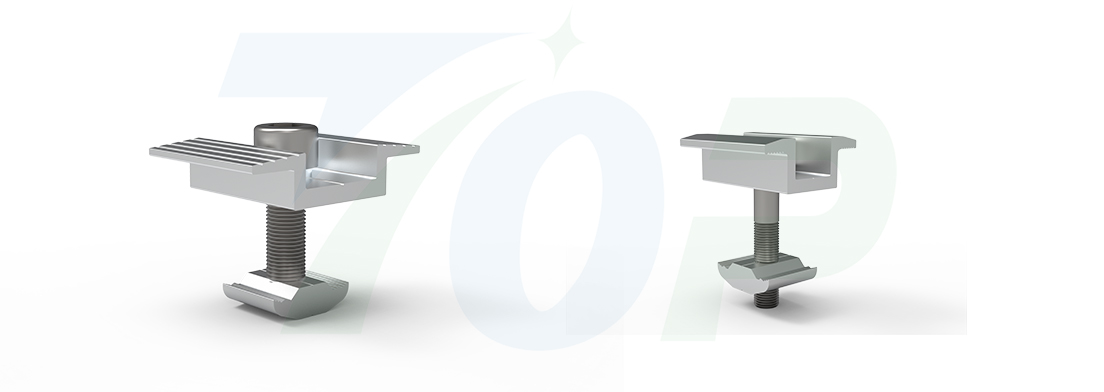
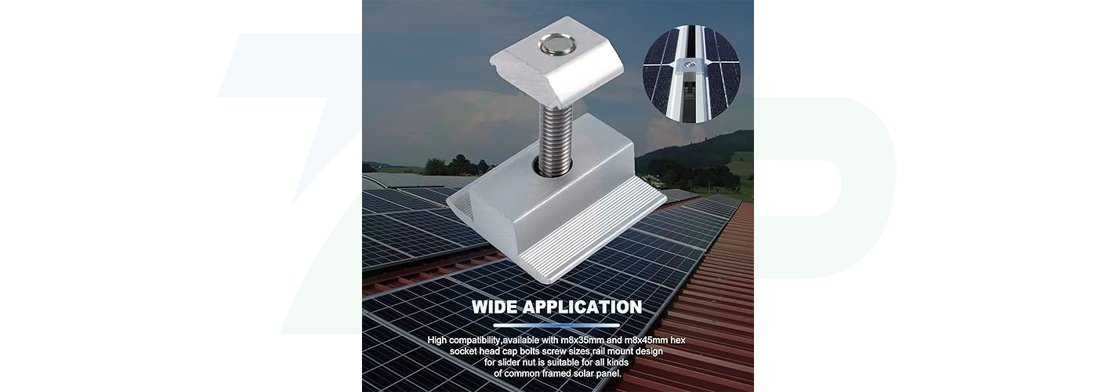
A solar panel module clamp is a specialized mounting accessory designed to secure solar panels to their supporting structures, such as solar panel rails. These clamps come in various designs, including solar mid clamps and solar end clamps, each playing a vital role in panel installation.


How Module Clamps Enhance Structural Integrity

Secure Panel Attachment

Solar panel mid clamps and end clamps for solar panels ensure that each panel remains firmly in place, reducing movement

caused by wind, rain, or vibrations.These clamps tightly grip the panels onto the rails, providing stability without causing pressure

damage.

Wind and Load Resistance

During high winds or storms, well-installed solar mounting clamps distribute force evenly across the solar array.Clamps made from

high-quality materials like aluminum solar panel clamps or stainless steel provide robust support, minimizing risks of detachment or

shifting.

Thermal Expansion Management

Solar panels expand and contract due to temperature fluctuations.

Adjustable solar module clamps allow slight movements without compromising structural integrity, preventing panel cracks or

loosening over time.

Prevention of Panel Warping and Damage

Incorrectly mounted panels can lead to stress points, causing cracks or bending.

Properly positioned mid clamps for solar panels and solar rail end clamps ensure even pressure distribution, preserving the panel’s lifespan.


Choosing the Right Module Clamps for Your System

When selecting solar panel clamps for mounting systems, consider the following:

Material Durability: Opt for high-strength aluminum solar clamps or stainless steel clamps for corrosion resistance and longevity.

Panel Compatibility: Ensure the solar mounting system clamps fit the specific panel frame thickness.

Installation Simplicity: Choose pre-assembled clamps for faster, more efficient mounting.


Conclusion

Solar panel clamps are more than just fastening components—they are critical for ensuring solar panel system stability, durability, and efficiency. By selecting the right solar mid clamps, solar end clamps, and solar module clamps, installers can significantly enhance the structural integrity of solar panel installations. Investing in high-quality clamps leads to a safer, longer-lasting, and more efficient solar energy system.

For premium solar mounting system clamps, contact us today to find the best solutions for your solar installation needs!

Bifacial Solar Panels Are They Worth the Investment?

As solar technology evolves, bifacial solar panels are drawing increasing attention for their unique ability to capture sunlight from both the front and rear sides, offering improved energy generation efficiency. While these advanced panels promise enhanced yields and long-term benefits, many businesses and project developers are left wondering if the higher upfront investment is truly justified. In this article, we'll dive into how bifacial modules work, their key advantages, and help you decide whether they’re the right fit for your solar project.


solar farm project


How Do Bifacial Solar Panels Work?

Traditional monofacial solar panels absorb sunlight only from the front, limiting their energy production. In contrast, bifacial photovoltaic (PV) panels are designed to absorb sunlight from both the front and rear sides. This dual-sided design allows bifacial panels to capture reflected light from surfaces such as concrete, sand, or even white rooftops, leading to an increase in overall energy output.

The effectiveness of this reflected light, referred to as albedo, plays a critical role in the performance of bifacial panels. The higher the albedo of the surface beneath the panels, the greater the additional energy generation.


solar panel supplier


Key Advantages of Bifacial Solar Panels

1. Higher Energy Yield

Studies suggest that bifacial solar panels can generate 10-20% more energy than traditional monofacial panels, depending on the environmental conditions. This increase in efficiency is particularly beneficial for large-scale installations, where maximizing energy output is crucial for reducing costs.

2. Lower Levelized Cost of Energy (LCOE)

Bifacial panels can help reduce the Levelized Cost of Energy (LCOE) over the lifespan of the system. Since they generate more electricity, they offer better returns on investment, making them a strong choice for long-term financial sustainability.

3. Durability and Longevity

Most bifacial modules are built with a glass-glass construction, which significantly enhances their durability compared to conventional panels. This robust design provides better resistance to harsh weather conditions and reduces the risk of microcracks, improving the panels' lifespan and reliability.

4. Versatile Installation Options

Bifacial panels are highly versatile, making them suitable for a wide range of installations, including ground-mounted systems, carports, and commercial rooftops. In areas with reflective surfaces, such as snow-covered or desert regions, these panels can be positioned for optimal performance, further enhancing their energy production.


solar ground mount structure


Are Bifacial Solar Panels Right for Your Project?

While the advantages of bifacial solar panels are compelling, they may not be suitable for every project. The higher initial cost of bifacial panels must be weighed against the potential energy gains. Projects located in high-albedo environments, such as deserts or snowy regions, will see the most benefit due to the increased reflectivity of the surroundings. However, for installations with limited space or minimal ground reflectivity, the energy gains may not justify the added expense.

For businesses and developers considering bifacial panels, conducting a comprehensive site assessment and financial analysis is essential. Evaluating factors such as the installation angle, environmental conditions, and system costs will help you determine whether bifacial panels provide a strong return on investment.


Conclusion

Bifacial solar panels are an exciting advancement in solar energy technology, offering increased energy production, enhanced durability, and long-term cost savings. Although they require a higher initial investment compared to traditional monofacial panels, their superior efficiency makes them a worthwhile consideration for large-scale solar projects. As the solar industry continues to innovate, bifacial modules may play a significant role in shaping the future of renewable energy.

If you're thinking about upgrading to bifacial solar panels, it's important to consult with a professional solar provider who can help you assess your specific needs and recommend the best solution for your project.

Durability Matters Best Materials for Solar Racking in Harsh Climates

Solar racking plays a critical role in ensuring the stability, longevity, and efficiency of photovoltaic (PV) systems, particularly in regions with extreme weather conditions. Whether facing high winds, heavy snow loads, intense UV exposure, or corrosive coastal environments, choosing the right materials for solar racking can mean the difference between a reliable, long-lasting system and one prone to early failure. In this article, we’ll explore the best materials for solar racking in harsh climates and why durability should be a top priority for any solar installation.


Aluminum: Lightweight and Corrosion-Resistant

Aluminum is one of the most commonly used materials in solar racking systems, and for good reason. It offers a balance of strength and corrosion resistance while remaining lightweight. In harsh climates, especially coastal or high-humidity environments, aluminum's natural oxide layer protects it from rust and degradation. Additionally, aluminum solar mounting structures require minimal maintenance and can withstand extreme temperature variations, making them ideal for long-term reliability.


Hot-Dip Galvanized Steel: Strength for Heavy Loads

For installations that require high structural integrity, such as ground-mounted solar systems in snowy regions, hot-dip galvanized steel is a top choice. This material undergoes a zinc coating process that enhances its resistance to rust and corrosion. The durability of hot-dip galvanized solar racking makes it particularly effective in areas prone to heavy snowfall, as it can support significant weight without deformation or structural failure.


Stainless Steel: Unmatched Corrosion Resistance

In environments with extreme salinity, such as coastal areas, stainless steel is a premium option for solar racking. With its high resistance to corrosion, stainless steel ensures long-term performance even in the harshest conditions. While it is more expensive than aluminum or galvanized steel, its longevity and strength make it a worthwhile investment for projects where durability is non-negotiable.

Anodized Aluminum: Enhanced Protection Against UV and Weathering

For solar farms located in high-UV regions, such as deserts, anodized aluminum provides an extra layer of protection against oxidation and weathering. The anodization process thickens the natural oxide layer of aluminum, improving its resistance to harsh environmental factors while maintaining its lightweight and easy-to-install properties.


Composite Materials: Emerging Alternative for Extreme Climates

Innovations in solar racking materials have led to the development of high-strength composite materials that offer a unique combination of corrosion resistance, strength, and weight reduction. These materials are particularly useful in environments where both moisture and high temperatures pose challenges to traditional metals.


Choosing the Right Material for Your Climate

Selecting the best solar racking material depends on the specific environmental challenges of your installation site:


For coastal areas: Stainless steel or anodized aluminum provides the best corrosion resistance.


For high snow load regions: Hot-dip galvanized steel offers superior strength.


For high-temperature environments: Anodized aluminum or composite materials ensure long-term stability.


For general durability and cost-effectiveness: Standard aluminum racking remains a reliable and widely used option.


Conclusion

The durability of solar racking is just as important as the efficiency of the solar panels themselves. By choosing the right materials for harsh climates, you can ensure the longevity and stability of your PV system while minimizing maintenance and replacement costs. Whether it’s aluminum for lightweight resilience, stainless steel for corrosion resistance, or galvanized steel for maximum strength, selecting the right racking material will contribute to a more reliable and cost-effective solar investment.

Global Solar Racking Market Trends in 2024

The solar industry continues to evolve rapidly, and 2024 is shaping up to be another pivotal year for solar racking innovations. As global solar installations increase, the demand for efficient, durable, and cost-effective mounting solutions is driving significant changes in the racking sector. This article explores key trends shaping the global solar racking market in 2024, including advancements in floating solar, the rise of agrivoltaics, and the push for more sustainable materials.


1. Increased Adoption of Floating Solar Racking

Floating solar, or floating photovoltaic (FPV) systems, is becoming an attractive solution for regions with limited land availability. Countries with high population densities, such as Japan, South Korea, and the Netherlands, are leading the way in deploying solar arrays on reservoirs, lakes, and other water bodies. Floating solar racking systems are evolving to provide better buoyancy, corrosion resistance, and durability, ensuring long-term performance in aquatic environments.


2. Agrivoltaics: Driving Innovation in Racking Design

Agrivoltaics—the integration of solar panels with agricultural land—is gaining traction as a dual-use solution for energy and food production. New solar racking systems are being designed to allow for optimal sunlight penetration for crops while maintaining high efficiency for solar panels. Adjustable tilt angles, elevated mounting structures, and lightweight materials are becoming common in agrivoltaic projects to ensure compatibility with different farming methods.


3. Shift Toward Sustainable and Recyclable Materials

Sustainability is a growing concern in the solar industry, and solar racking manufacturers are responding by developing systems made from recycled materials and corrosion-resistant alloys. Aluminum and galvanized steel remain dominant, but new composite materials with improved longevity and lower environmental impact are entering the market. Additionally, modular racking designs that minimize waste during installation are gaining popularity.


4. Prefabrication and Streamlined Installation

Labor costs and installation time continue to be major challenges for solar developers. In response, prefabricated solar racking solutions are becoming more common. These solar systems reduce on-site assembly time, minimize human error, and lower overall project costs. Pre-assembled components, integrated grounding, and plug-and-play features are helping to accelerate deployment and reduce the complexity of solar installations.


5. Wind and Snow Load Adaptations

With extreme weather events becoming more frequent, solar mounting systems are being engineered to withstand higher wind speeds and snow loads. Reinforced structures, dynamic anchoring systems, and improved aerodynamics are enhancing the resilience of solar installations in harsh climates. Computational modeling and AI-driven design optimization are playing a crucial role in improving structural integrity and performance.


6. Growing Demand for Tracker Systems

Single-axis and dual-axis solar trackers are gaining widespread adoption, especially in utility-scale projects. These systems maximize energy yield by following the sun’s trajectory throughout the day. In 2024, advancements in AI-driven tracking algorithms and sensor technology are making solar trackers more efficient, reducing maintenance costs, and improving energy output.


7. Emerging Markets and Regional Growth

The global solar racking market is expanding into new regions, with countries in Africa, Latin America, and Southeast Asia ramping up solar deployment. Governments are introducing policies and incentives to accelerate solar adoption, leading to an increase in localized manufacturing and region-specific solar racking solutions. These markets are driving demand for cost-effective and adaptable solar racking systems that can perform well in diverse environmental conditions.


Conclusion

The solar racking market in 2024 is witnessing dynamic shifts, from floating solar advancements to agrivoltaic-friendly designs and a stronger focus on sustainability. As solar energy continues its global expansion, racking innovations will play a crucial role in optimizing performance, reducing costs, and ensuring long-term reliability. By staying ahead of these trends, solar developers and investors can make informed decisions that align with the future of clean energy.

How Can Chinese Solar Mounting Companies Overcome the “Low-Carbon Barrier” in European and American Markets?

As global climate policies tighten, the European and American markets are increasingly prioritizing low-carbon supply chains. This presents both a challenge and an opportunity for Chinese solar mounting system manufacturers. To successfully expand in these regions, companies must address stringent carbon footprint requirements, supply chain transparency, and compliance with evolving regulations.


Understanding the Low-Carbon Barrier

The EU's Carbon Border Adjustment Mechanism (CBAM) and the U.S. Inflation Reduction Act (IRA) are clear indicators of how carbon footprint assessments are shaping trade policies. These regulations demand lower emissions in manufacturing and emphasize sustainable materials and processes. Traditional steel and aluminum solar mounting systems, if produced with high-emission processes, may face tariffs, additional scrutiny, or even exclusion from procurement lists.


solar mounting


Key Strategies for Breaking Through

Decarbonizing Manufacturing
Chinese solar racking manufacturers need to transition toward greener production by integrating renewable energy into their operations, improving energy efficiency, and adopting low-carbon raw materials such as recycled aluminum or green steel. Establishing Environmental Product Declarations (EPDs) for solar mounting structures will also be crucial in meeting international buyers' sustainability criteria.

Supply Chain Transparency & Traceability
European and U.S. markets increasingly require transparent documentation of the entire supply chain. Implementing blockchain technology or digital tracking systems to verify raw material sourcing and carbon footprint data can help Chinese manufacturers build trust and comply with regulatory frameworks.

Compliance with Local Certifications
Meeting key certifications such as LEED (Leadership in Energy and Environmental Design) in the U.S. and CE marking in Europe is critical. Additionally, obtaining low-carbon certifications, such as those from TÜV Rheinland or SGS, can enhance credibility and market competitiveness.

Localization & Strategic Partnerships
Establishing local assembly plants or partnering with regional manufacturers can help reduce logistics-related emissions and navigate trade barriers more effectively. Collaborating with international EPC firms and project developers who prioritize sustainable sourcing can also open new business opportunities.

Innovating Low-Carbon Design & Materials
Lightweight pv mounting systems with optimized material usage and high-strength steel can reduce both emissions and costs. Additionally, companies should explore alternative materials, such as composite structures, that maintain durability while lowering environmental impact.


solar mount solutions


Conclusion

For Chinese solar mounting companies to maintain and grow their presence in Europe and the U.S., they must proactively adapt to the rising low-carbon expectations. By investing in greener production, enhancing supply chain transparency, and complying with international sustainability standards, these firms can transform the regulatory challenge into a competitive advantage. In an industry where sustainability is becoming as important as cost and efficiency, those who lead in carbon reduction efforts will have the strongest foothold in global markets.

How Can Solar Mounting Systems Drive Sustainability and Clean Energy Adoption?

In today's world, the demand for sustainable energy solutions is rising as global communities strive to reduce carbon footprints and combat climate change. Among the most effective solutions is harnessing clean energy through solar power. However, the efficiency and longevity of solar power systems heavily rely on advanced solar mounting systems.


solar mounting systems supplier


Understanding Solar Mounting Systems

Solar mounting systems are the backbone of any solar power installation. They are designed to securely position solar panels on rooftops, ground surfaces, or other structures to optimize sunlight exposure. By providing stability and flexibility, these systems enhance the performance and lifespan of solar panels.


The Role of Solar Mounting in Sustainability


Maximizing Energy Efficiency: Properly installed solar mounting systems allow for optimal panel orientation, maximizing solar energy absorption and conversion.

Reducing Land Impact: Ground-mounted solar systems can be installed on unused land or integrated into agricultural settings, such as solar farms, reducing the need for additional land resources.

Durability and Longevity: High-quality materials like stainless steel and aluminum used in mounting systems are resistant to corrosion and environmental wear, ensuring long-term energy production.

Supporting Circular Economy: Many solar mounting systems are designed with recyclable materials, promoting a circular economy and reducing waste.


solar panel mount solution


Clean Energy Integration with Solar Mounting


Residential Installations: Roof-mounted systems allow homeowners to generate their own electricity, reducing dependency on fossil fuels.

Commercial Projects: Large-scale solar arrays on industrial rooftops or parking canopies can significantly cut operational energy costs.

Utility-Scale Solar Farms: Ground-mounted systems enable large-scale clean energy generation, feeding into the power grid and supporting local communities.


Overcoming Challenges for Greater Impact


Innovative Design: Adjustable and flexible solar mounting structures can adapt to various terrains and weather conditions.

Advanced Tracking Systems: Solar trackers allow panels to follow the sun’s path throughout the day, increasing energy capture.

Government Support and Incentives: Policies that promote renewable energy adoption and subsidize solar installation costs are essential for widespread implementation.


solar mount solution


Conclusion

Solar mounting systems are pivotal in advancing sustainability and promoting clean energy adoption. By enhancing the efficiency and durability of solar power installations, these systems play a critical role in the global transition to a greener future. Embracing innovative pv mounting solutions will not only reduce environmental impact but also drive economic growth in the renewable energy sector.

If you're considering transitioning to clean energy, investing in a reliable solar mounting system is a smart and sustainable choice.

How Do Solar Panel Clamps Prevent Damage During High Winds or Storms?

Installing a solar panel mounting system comes with the challenge of ensuring its stability under extreme weather conditions, especially high winds and storms. A critical component in this system is the solar panel clamp, which plays a crucial role in securing panels against environmental forces. But how do these clamps protect solar panels from damage? Let’s dive into the details.


1. High-Strength Clamping Mechanism

The primary function of solar panel mounting clamps is to firmly secure the panels to the mounting rails, preventing any movement or uplift caused by strong winds. High-quality solar mid clamps and solar end clamps are designed to provide a robust grip, ensuring that the panels remain stable even during extreme weather conditions.


solar panel clamps for mounting systems


2. Aerodynamic and Wind Load Resistance Design


Low Profile Design: Many modern solar panel mounting clamps feature a low-profile design to minimize wind resistance, reducing the risk of panels being lifted or displaced.

Wind Tunnel Tested: Some solar mounting clamps undergo rigorous wind tunnel testing to ensure they can withstand high wind loads effectively.

Pressure Distribution: The strategic placement of solar PV panel clamps helps distribute wind pressure evenly across the panel surface, reducing the risk of stress points that could cause damage.


3. Corrosion-Resistant Materials for Longevity

Using high-quality materials is essential for ensuring the durability of solar panel racking clamps. The best solar panel clamps for mounting systems are made from:


Anodized Aluminum: Lightweight yet strong, it offers excellent corrosion resistance.

Stainless Steel: Provides superior strength and rust resistance, ensuring longevity in harsh weather conditions.

UV-Resistant Coatings: Protects against long-term exposure to sunlight, maintaining clamp integrity.


solar panel clamp


4. Secure Fastening Against Vibrations and Storms

During storms, the combination of wind and rain can create additional vibrations. High-quality solar roof mounting clamps are designed with:


Anti-Slip Features: Prevent shifting due to vibrations or heavy rainfall.

Strong Fasteners: Stainless steel bolts and nuts ensure tight connections that won’t loosen over time.

Pre-assembled Components: Many modern solar panel clamps come pre-assembled, reducing installation errors that could compromise stability.


5. Compliance with Industry Standards

To guarantee safety, solar module clamps are designed to comply with international industry standards such as:


UL 2703 Certification (for electrical bonding and grounding)

ISO 9001 Quality Standards (ensuring high manufacturing quality)

Wind Load Testing Certifications (to confirm wind resistance capabilities)


Conclusion

Investing in high-quality solar panel mounting clamps is essential for protecting your solar energy system from damage during high winds and storms. By choosing durable, corrosion-resistant, and wind-resistant solar clamps, you ensure long-term stability and efficiency for your solar installation. If you're looking for reliable solar mid clamps, solar end clamps, or solar module clamps, reach out to us for expert guidance and top-tier products.


How Does a Solar Walkway Improve Safety for Solar Panel Installations?

In the rapidly evolving world of renewable energy, solar panel installations have become a cornerstone of sustainable power generation. However, with the increasing complexity and scale of these installations, ensuring the safety of maintenance personnel and equipment has become a critical concern. This is where the solar walkway comes into play, offering a robust solution to enhance safety and efficiency. In this blog post, we’ll explore how a solar metal rooftop walkway can significantly improve safety for solar panel installations, and why it’s an essential component for any large-scale solar project.


1. Enhanced Accessibility for Maintenance

One of the primary benefits of a solar walkway is that it provides a safe and stable pathway for maintenance personnel to access the solar panels. Traditional solar panel installations often require workers to navigate uneven terrain or climb onto fragile rooftops, which can be hazardous. A Integrated solar-powered rooftop pathways eliminates these risks by offering a secure, level surface that allows workers to move freely and safely around the installation.


2. Reduced Risk of Panel Damage

Solar panels are a significant investment, and any damage to them can result in costly repairs and downtime. A solar walkway helps mitigate this risk by providing a designated path that prevents workers from accidentally stepping on or damaging the panels. This is particularly important in large-scale solar panel installations, where the sheer number of panels can make it difficult to avoid accidental contact.


3. Improved Safety During Inclement Weather

Weather conditions can pose a significant risk to the safety of maintenance personnel. Slippery surfaces, high winds, and heavy rain can make it dangerous to navigate around solar panel installations. A solar walkway is designed to withstand these conditions, offering a non-slip surface and sturdy construction that ensures safe access even in adverse weather.


4. Compliance with Safety Regulations

As the renewable energy industry continues to grow, so too do the regulations governing solar panel installations. Many jurisdictions now require that large-scale solar projects include safety features such as walkways to protect workers. By installing a solar walkway, you can ensure that your project complies with these regulations, avoiding potential fines and legal issues.


5. Increased Efficiency and Productivity

solar walkway not only improves safety but also enhances the overall efficiency of solar panel installations. By providing easy access to all areas of the installation, maintenance tasks can be completed more quickly and with less effort. This translates to reduced downtime and increased productivity, ultimately leading to a higher return on investment for your solar project.


6. Long-Term Durability and Cost Savings

Investing in a solar roof walkway is a smart long-term decision. These walkways are built to last, with materials that are resistant to corrosion, UV radiation, and extreme temperatures. This durability means that you won’t have to worry about frequent replacements or repairs, leading to significant cost savings over the life of your solar panel installation.


Conclusion

In conclusion, a roof safety walkway is an indispensable component of any large-scale solar panel installation. By enhancing safety, reducing the risk of panel damage, and improving overall efficiency, a solar roof walkway ensures that your project runs smoothly and safely. Whether you’re planning a new installation or looking to upgrade an existing one, consider the many benefits that a solar rooftop walkway can bring to your solar energy project.

By prioritizing safety and efficiency, you can ensure that your solar panel installation not only meets but exceeds industry standards, paving the way for a brighter, more sustainable future.

How is the load capacity of a cable tray calculated? What factors affect its weight-bearing performance?

In power and communication engineering, cable tray is a key component used to support and protect cables. Its load-bearing capacity is directly related to the safety and long-term stability of cables. Therefore, understanding the load calculation method of the bridge and its influencing factors is crucial for project design and construction.


First, the calculation method of tray cable load capacity


The load capacity of the cable tray is usually composed of three kinds of load:


Static load (Dead Load): the weight of the cable tray itself and the weight of the cable laid in it.

Dynamic load (Live Load): additional loads that may arise during construction and maintenance, such as personnel walking or equipment placement.

Wind Load, Snow Load and Seismic Load (Environmental Load): the cable tray may be subjected to environmental influences, such as wind, snow or seismic effects.


The basic steps for calculating the load capacity of a cable tray are as follows:


1.Determine the cable weight:

Calculate the weight of cables per unit length (kg/m).

Calculate the total weight of all cables per unit length of cable tray.


2.Calculate the self-weight of the cable tray:

According to the cable tray material (steel, aluminum alloy or stainless steel) and specifications, consult the product manual to obtain the deadweight.


3.Totalize the total load:

Total load = cable weight + dead weight of the cable tray + possible construction load.


4.Check the strength of the cable tray:

Check that the selected cable tray can withstand the calculated loads according to the load capacity table provided by the cable tray systems manufacturer.

Carry out the necessary safety factor checks to ensure that the cable tray is not subject to excessive deformation or failure.


Second, the factors affecting the load-bearing performance of the cable tray

The load-bearing capacity of the cable tray is affected by a variety of factors, including:


1.Material strength


Steel cable trays have higher strength and are suitable for heavy-duty scenarios.

Aluminum cable trays are lightweight but have a relatively low load-bearing capacity and are suitable for light-duty applications.

Stainless steel cable trays have high corrosion resistance and are suitable for specialized environments.


2.Bridge Structure Design

The carrying capacity of channel, ladder and pallet type cable tray is different, and channel type cable tray is generally of higher strength.

The edge reinforcement and reinforcement design of the cable tray can effectively improve the load bearing capacity.


3.Support spacing

The larger the distance between the support points, the larger the bending stress of the bridge and the lower the load carrying capacity.

Reasonable design of support spacing (usually 1.5m~3m) helps to enhance the stability of the cable tray.


4.Installation environment

High temperature, humidity or corrosive environment may affect the durability of the cable tray material.

In seismic area or high wind area, extra consideration should be given to seismic and wind resistant design.


Third, how to improve the load-bearing capacity of the cable tray?


Choose higher strength materials, such as galvanized steel or stainless steel.

Increase the thickness of the cable tray or adopt reinforced structure.

Shorten the support spacing of the cable tray to reduce the bending stress.

Optimize the load distribution to avoid excessive force at a single point.

Adopt reasonable installation methods, such as suspension or additional support structures.


Conclusion

The calculation of the load capacity of the cable tray involves several factors, including the weight of the cable, the self-weight of the bridge, and the construction load. Reasonable selection of cable tray type, optimization of support spacing and consideration of environmental factors can ensure the stability and safety of the cable tray. In the actual engineering application, the load capacity data provided by the manufacturer should be referred to and the optimized design should be combined with the specific construction requirements to ensure the reliability of the system.

How to Install Ground Screws for Solar Panel Mounting?

As the demand for clean, renewable energy continues to rise, more homeowners and businesses are turning to solar power to reduce their carbon footprints and energy bills. One of the key components of a solar installation is the solar panel mounting system, which holds the panels in place. Among the various solar mounting solutions available, ground screws have emerged as a popular choice, particularly for outdoor solar panel installations.

In this blog post, we will walk you through the steps involved in installing ground screws for solar panel mounting, highlighting the benefits of using this method, and offering tips for successful installation.


What Are Ground Screws?

Ground screws are metal piles, typically made from galvanized steel, that are drilled into the ground to provide a sturdy base for a solar panel mounting structure. Unlike traditional concrete foundations, ground screws are quicker and more cost-effective to install, and they don’t require curing time, making them ideal for solar panel installations. The screw pile design, often with helical blades, provides high stability and resistance to movement, even in challenging soil conditions.


Step-by-Step Guide to Installing Ground Screws for Solar Panel Mounting


Planning and Site Assessment
Before installation begins, it's essential to assess the site and plan the layout of the solar panel system. Factors to consider include soil type, ground conditions, and the size of the area where the solar panels will be installed. Conducting a soil test can ensure that the ground is suitable for ground screw installation and help determine the correct screw size.

Marking the Locations
Once you've assessed the site, mark the positions where the ground screws will be installed. Ensure that the holes align with the structure’s mounting points for the solar panels. Accurate placement is critical for the stability and efficiency of the entire solar system.

Drilling the Ground Screws
Ground screws are installed using specialized equipment that drives the screws into the ground. The installation can be done with either manual or powered machinery, depending on the size of the installation site. The ground screws should be installed to a depth where they can securely anchor into the ground, typically around 1.5 to 2 meters (4.9 to 6.5 feet), depending on soil conditions. The helical design of the screws allows them to cut into the earth and hold their position firmly.

Aligning the Rails
Once the ground screws are installed, rails can be affixed to the top of the screws. These rails will support the solar panels. The alignment should be done carefully to ensure that the panels are mounted at the correct angle for maximum sunlight exposure.

Securing the Solar Panels
After securing the rails, it’s time to mount the solar panels. Using the appropriate brackets and hardware, the solar panels are fixed to the rails. Be sure to follow the manufacturer’s instructions for proper torque to avoid damaging the panels or the structure.

Final Check
Once everything is in place, it’s important to conduct a final inspection to ensure that all components are securely fastened, and the solar system is properly aligned. Verify that the panels are positioned correctly to optimize energy production, and double-check the wiring before connecting the system to the inverter.


Why Choose Ground Screws for Solar Panel Mounting?


Quick Installation
One of the biggest advantages of ground screws is that they can be installed quickly, with no need for digging or pouring concrete. This saves both time and labor costs, making them a popular choice for residential and commercial solar installations.

Cost-Effective
Ground screws typically cost less than traditional concrete foundations, as they eliminate the need for excavation and concrete curing. The overall savings are significant, especially for large installations.

Eco-Friendly
Ground screws have a minimal environmental impact. Unlike concrete foundations, they don’t involve the use of harmful chemicals or materials. Additionally, ground screws are reusable and can be removed or repositioned if necessary, making them an eco-friendly option.

Stability and Durability
The helical screw design of the ground screws ensures that they provide a stable and secure base for solar panel systems, even in challenging soil conditions. The galvanized steel material offers excellent resistance to corrosion, ensuring that the screws will last for decades.

No Need for Curing
Unlike concrete foundations that require time to set, ground screws can be used immediately after installation. This reduces the overall installation timeline and makes it a more convenient option.


Things to Keep in Mind During Installation

Soil Conditions: Ground screws work best in well-drained soils. If you’re installing on clay or rocky soil, the installation may be more challenging and require a larger screw size or different equipment.

Permits: Depending on your location, you may need to check with local authorities to ensure that ground screw installations are permitted. Some areas have regulations about ground disturbances, especially in environmentally sensitive regions.

Professional Help: While ground screw installation is a straightforward process, some large-scale or complex installations may require professional assistance. Consider hiring experienced installers if you are unsure about the process.


Conclusion

Ground screw installation is an efficient, cost-effective, and eco-friendly solution for solar panel mounting. Whether you’re installing solar panels for a residential or commercial property, using ground screws can streamline the process and provide a secure, long-lasting foundation.

If you’re considering installing solar panels with ground screws, make sure to assess your site carefully, follow installation guidelines, and choose the right screw size for your project.