Hello, solar enthusiasts! Today, let's dive into the exciting world of solar power. Rooftop solar mounting structure is the key player here. It's like the superhero base for solar panels. Picture this: rooftop solar mounting structure holding those panels firmly, catching the sun's rays like a pro. Every time you see a rooftop solar mounting structure, it's like a little solar party starting. These structures are everywhere! They make solar panels work their magic, turning sunlight into lovely electricity. With rooftop solar mounting structure, we're on a bright, green energy journey. Go solar!
In the modern world, as concerns about climate change and energy sustainability continue to grow, many homeowners, businesses, and municipalities are seeking eco-friendly solutions. Solar carports have emerged as a game-changing option, combining the functional benefits of traditional carports with the innovative power generation of solar panels. These structures are not only a sustainable energy solution but also offer a range of other advantages, from maximizing space to reducing energy costs.

What is a Solar Carport?
A solar carport is a type of canopy structure designed to protect vehicles from the elements while simultaneously harnessing the power of the sun. Solar panels are installed on the roof of the carport, generating renewable energy that can either be used on-site or fed back into the grid. This is a perfect example of how solar energy can be integrated seamlessly into everyday infrastructure.
Solar carports have gained popularity due to their ability to serve as both a shelter for vehicles and an energy-generating system. The electricity generated can power homes, businesses, or electric vehicles (EVs), providing a sustainable, renewable, and cost-effective energy source.
The Growing Popularity of Solar Carports
Several factors contribute to the growing demand for solar carports:
Maximized Space Utilization: Solar carports allow property owners to make the most of available space. Unlike traditional rooftop solar systems that require additional roof area, solar carports can be installed in parking lots, driveways, or even commercial and industrial properties, utilizing space that would otherwise be underused.
Reduced Energy Bills: By generating electricity from solar energy, solar carports can significantly lower energy costs. Excess energy can be stored in batteries for later use or sold back to the grid, providing potential savings and a source of income.
EV Charging: Many modern solar carports are designed with electric vehicle charging stations integrated into the structure. As the popularity of EVs grows, having a solar-powered charging station in your carport is a forward-thinking and sustainable investment.
Environmental Benefits: Solar energy is a clean, renewable resource that helps reduce dependence on fossil fuels. By generating your own solar power, you contribute to reducing greenhouse gas emissions, mitigating climate change, and supporting a greener future.
Durability and Long-Term Savings: Solar carports are built to last. These structures are designed to withstand a variety of weather conditions, including heavy snow loads and high wind speeds. Additionally, many solar carports come with long warranties and require minimal maintenance.

Types of Solar Carport Structures
There are different types of solar carport structures to meet varying needs and preferences. Below, we highlight some of the most common types:
BIPV (Building-Integrated Photovoltaic) Solar Carport
Building-Integrated Photovoltaics (BIPV) are solar panels that are integrated directly into the structure of the carport itself. Rather than being mounted on top, BIPV systems are embedded within the materials of the carport, offering an aesthetically pleasing and seamless design. BIPV carports not only provide energy generation but also enhance the architectural appeal of the space, making them a popular choice for design-conscious property owners.
Aluminum Alloy Solar Carport
Aluminum alloy solar carports are favored for their lightweight, corrosion-resistant, and durable properties. Aluminum is naturally resistant to rust and weathering, making it an ideal material for outdoor applications. Aluminum solar carports are also easier to manufacture and install, offering flexibility in design and construction. These carports are particularly well-suited for areas with harsh weather conditions or coastal environments, where corrosion is a concern.
Carbon Steel Solar Carport
Carbon steel solar carports are made from high-strength steel, offering superior stability and load-bearing capacity. These structures are particularly well-suited for large-scale installations in areas that experience extreme weather conditions, such as heavy snowfall or strong winds. Carbon steel offers long-lasting performance and robustness, making it a great choice for high-performance solar carports that need to withstand the test of time.

Custom Solar Carports from Xiamen TopFence Co., Ltd.
At Xiamen TopFence Co., Ltd., we provide comprehensive solar carport solutions to meet your unique needs. Whether you're interested in a BIPV carport, an aluminum alloy carport, or a carbon steel carport, we offer tailored designs that suit both residential and commercial applications. Our carports are designed to provide maximum durability, functionality, and energy efficiency.
Beyond the structure itself, Xiamen TopFence specializes in complete solar systems. We offer integrated solutions, including high-quality solar panels, inverters, and storage systems, ensuring that your solar carport performs at its best. With years of experience and a commitment to excellence, we make it easy for you to transition to clean, renewable energy.
Benefits of Choosing Xiamen TopFence Solar Carports
· Comprehensive Design: We offer full-service solutions, from custom design to installation, ensuring your solar carport meets your specific needs and preferences.
· High-Quality Materials: Our carports are made with high-grade materials such as aluminum alloy, carbon steel, and BIPV technology, ensuring long-lasting performance and superior energy generation.
· Turnkey Solar Systems: In addition to the structure, we provide fully integrated solar systems, including solar panels, inverters, and batteries. This ensures a seamless, hassle-free installation experience.
· Eco-Friendly: Choosing a solar carport means reducing your carbon footprint while contributing to a cleaner, greener planet.
Conclusion: A Smart Investment for a Sustainable Future
Solar carports are an innovative and practical solution for homeowners and businesses looking to embrace renewable energy. By installing a solar carport, you can make better use of available space, reduce energy bills, and contribute to a more sustainable future. With Xiamen TopFence Co., Ltd., you can trust that you are receiving high-quality, durable solar carports designed to meet all your needs, whether you’re looking for BIPV, aluminum alloy, or carbon steel structures. We not only provide the carport but also offer integrated solar solutions, making it easier than ever to switch to clean, green energy.
In the rapidly growing renewable energy sector, solar mounting systems play a critical role in ensuring the stability, safety, and performance of solar panel installations. Whether for residential rooftops, commercial buildings, or large-scale ground installations, the right solar mounting solution can significantly enhance energy generation and longevity.
What is Solar Mounting?
Solar mounting refers to the structural framework that securely holds solar panels in place. These systems are designed to withstand environmental factors such as wind, rain, and snow while optimizing the panels' angle for maximum sunlight exposure.
Types of Solar Mounting Systems
Roof Mounting Systems
Tile Roof Hooks: Designed for curved, flat, and slate tile roofs.
Metal Roof Clamps: Ideal for standing seam and corrugated metal roofs.
Flat Roof Ballast Systems: Suitable for flat commercial rooftops without the need for roof penetration.
Ground Mounting Systems
Fixed Tilt Structures: Provides a stable, fixed angle for maximum solar capture.
Single-Axis and Dual-Axis Trackers: Allows panels to follow the sun’s path for enhanced energy output.
Carport and Agricultural Mounting Systems
Solar Carport Structures: Dual-purpose systems that provide shaded parking while generating solar power.
Agricultural Solar Mounting: For greenhouse and farming applications, such as mushroom farming under elevated solar panels.
Key Benefits of Solar Mounting Systems
Enhanced Durability: Made from high-strength stainless steel (304/316 grade) and aluminum alloys to resist corrosion and extreme weather conditions.
Optimized Energy Generation: Adjustable designs allow for the best tilt angle and airflow for heat dissipation.
Compatibility and Flexibility: Works with various panel sizes and types of roof structures.
Quick and Easy Installation: Pre-assembled components and flexible designs reduce installation time and labor costs.
Factors to Consider When Choosing a Solar Mounting System
Roof Type and Material: Tile, metal, or shingle roofs require different mounting solutions.
Environmental Conditions: Wind load, snow load, and seismic activity must be factored in.
System Orientation: Portrait or landscape orientation for optimal sunlight exposure.
Durability and Maintenance: Use of corrosion-resistant materials for longevity.
Conclusion
A well-designed solar mounting system is essential for the efficiency and longevity of a solar energy project. By selecting the right type of mounting structure, installers can maximize energy generation, protect the integrity of the installation, and ensure the safety and durability of the system.
If you’re looking for high-quality solar roof hooks, adjustable solar mounting brackets, or ground-mounted systems, contact us today for professional guidance and reliable products to meet your project needs.
Choosing the right solar mounting mid clamps is essential for ensuring the durability, safety, and efficiency of your solar power system. These components play a crucial role in securing solar panels to the mounting rails, providing stability against environmental factors such as wind and snow loads. Below are the best practices for selecting the ideal mid clamp for your solar installation.

1. Consider the Material and Durability
The material of the solar panel frame mid clamp determines its longevity and resistance to corrosion. Common materials include aluminum alloys and stainless steel, both of which provide excellent strength and weather resistance. Opt for high-strength solar mid clamps to enhance the lifespan of your solar mounting system, especially in harsh climates.
2. Ensure Compatibility with Solar Panel Frames
It is essential to select adjustable solar mid clamps that fit your specific solar panel frame thickness. Incorrect sizing can lead to loose fittings or excessive pressure on the panels, which may cause damage over time. Always check the manufacturer’s specifications to ensure the clamps are suitable for your panel dimensions.

3. Evaluate Ease of Installation
Using pre-assembled solar mid clamps can save significant time and effort during the installation process. These clamps come ready to use, reducing the number of components installers need to handle on-site. This simplifies the installation and enhances efficiency, making it an excellent choice for large-scale solar projects.
4. Prioritize Structural Strength and Wind Resistance
A reliable solar module mid clamp should offer robust structural support to prevent panel movement due to wind pressure or heavy rainfall. Look for clamps that meet industry standards for load-bearing capacity and wind resistance, ensuring long-term stability and performance of your solar system.

5. Verify Compliance with Industry Standards
To guarantee safety and efficiency, choose certified solar mid clamps that comply with international solar mounting standards. Certified products undergo rigorous testing for strength, durability, and corrosion resistance, ensuring they meet the highest quality benchmarks.
By following these best practices, you can select the ideal solar mounting mid clamps for your project, enhancing both the safety and efficiency of your solar energy system. For more information on high-quality solar mounting accessories, feel free to contact us or explore our range of solar installation products!
Installing solar panels on metal roofs is becoming increasingly popular due to the roof's durability and the ability to secure mounting systems easily. However, like any installation process, mounting solar systems on metal roofs comes with its own set of challenges. While metal roofs offer excellent longevity and strength, specific installation issues must be addressed to ensure the solar mounting system performs optimally and lasts for years.
In this blog post, we'll explore some of the most common challenges associated with installing solar roof mounting systems on metal roofs and how to address them effectively.
Ensuring Proper Roof Penetration
One of the primary challenges in installing solar mounting kits for metal roofs is ensuring the right roof penetration. Metal roofs are designed to be weatherproof, so drilling holes or making penetrations can potentially compromise the integrity of the roof. This is especially true if the solar panel mounting brackets aren’t properly sealed after installation.
To address this challenge, it’s crucial to use specialized roof hooks or penetrating fasteners that are designed to seal and protect the roof from leaks. Using high-quality seals around penetrations is also key to preventing future water damage.
Dealing with Different Roof Profiles
Metal roofs come in various profiles, such as standing seam, corrugated, or ribbed designs, which can pose difficulties for solar panel mounting systems. Each profile type requires a different mounting system, and if the wrong mounting solution is used, the panels may not be securely fixed.
The challenge here is choosing the right solar roof mounting hardware that’s compatible with the specific metal roof profile. Some mounting solutions are designed to clamp onto the seams of standing seam roofs, while others may require custom brackets for corrugated or ribbed metal roofs.
Achieving Proper Alignment and Angling of Panels
Ensuring that the solar panel mounting system is installed at the correct angle is essential for maximizing solar energy production. However, the process of aligning solar panels on a metal roof can be more difficult due to the uneven surface of the roof, especially if the roof is not perfectly flat or has significant slopes.
To overcome this challenge, it’s important to use adjustable solar rails and angle brackets that can help position the panels at the optimal tilt angle. This not only improves energy efficiency but also ensures the durability of the mounting system over time.
Preventing Corrosion and Rust
Metal roofs, while durable, can be prone to corrosion over time, especially when exposed to moisture and weathering. The solar panel mounting brackets and fasteners used in metal roof systems are vulnerable to rust, which can degrade the structural integrity of the system and compromise its performance.
The solution here is to use corrosion-resistant materials, such as stainless steel or galvanized aluminum, in your mounting system. These materials help prevent rusting and prolong the life of the solar roof support system. Additionally, ensuring that all exposed metal parts are coated with protective layers or treated with anti-corrosion solutions can reduce the risk of rust formation.
Managing Roof Load Distribution
Metal roofs are strong, but they also need to be able to distribute the weight of the solar mounting system and solar panels evenly. Improper load distribution can cause sagging or damage to the roof over time. It’s essential to make sure that the mounting points are properly spaced, and the weight of the system is spread across the roof in a way that avoids excessive pressure on any single area.
Using spaced mounting rails and distributing the weight of the panels across several roof mounting points helps to minimize the stress placed on the roof structure. Proper planning during installation ensures that the system remains stable and avoids compromising the roof's integrity.
Wind Resistance and Stability
One of the most significant challenges in installing a solar panel mounting system for metal roofs is ensuring the panels are securely anchored to withstand high winds. Metal roofs are often more exposed to wind forces, and if the mounting system is not robust enough, the panels may become loose or detached during severe weather conditions.
To mitigate this risk, it’s crucial to use wind-resistant solar panel mounting solutions designed for metal roofs. These systems often include additional fasteners, stabilizing components, and wind deflectors that ensure the panels remain securely anchored even in the face of high wind speeds.
Cost and Time of Installation
Installing a solar roof mounting system on a metal roof can be more complex and time-consuming than on traditional roofing types. The labor involved in ensuring proper installation, choosing the right materials, and addressing specific roof challenges often leads to increased costs.
To reduce both time and cost, it’s important to work with experienced installers who understand the nuances of mounting solar panels on metal roofs. Additionally, selecting pre-assembled solar mounting kits can streamline the process and reduce labor costs associated with installation.
Conclusion
While installing solar mounting systems on metal roofs offers many advantages, such as durability and strength, there are several challenges to consider. By addressing issues like roof penetration, alignment, corrosion, and load distribution, you can ensure that the installation is successful and that your system operates efficiently for years to come.
Using the right materials, proper mounting techniques, and working with experienced professionals can help mitigate these challenges and maximize the performance of your solar energy system. If you’re planning to install a solar system on a metal roof, make sure to carefully consider all aspects of the installation process to avoid costly mistakes and ensure long-term efficiency.
As solar energy adoption continues to grow globally, rooftop solar installations are becoming a common choice for homeowners and businesses alike. However, the safety and long-term performance of these systems depend heavily on the supporting structure—particularly the solar roof bracket system. Choosing the right bracket system is not only crucial for energy efficiency and structural durability but also for ensuring the overall safety of the building and its occupants.
Here are the key safety considerations when selecting a solar roof bracket system:

1. Roof Compatibility and Load Bearing Capacity
Not all brackets are suitable for every roof type. The bracket system must match the structural characteristics of the roof—whether it's metal, tile, or flat concrete. An incompatible system may lead to improper installation or even roof damage over time. Equally important is verifying that the roof structure can bear the additional weight of the solar panels and mounting hardware, especially in areas with heavy rainfall or snow loads.
2. Wind and Seismic Resistance
Solar brackets must be designed to withstand local environmental stresses. In regions prone to typhoons, strong winds, or earthquakes, the system should meet or exceed local wind uplift and seismic safety codes. Systems with proper certifications (such as TUV or UL) and engineering documentation give added assurance of resilience under extreme conditions.

3. Corrosion Resistance
Solar roof brackets are typically exposed to harsh weather conditions year-round. Materials like aluminum alloys and stainless steel are often preferred for their corrosion resistance. For coastal areas with high humidity or salt exposure, enhanced anti-corrosion coatings or marine-grade materials may be necessary to prevent premature degradation.
4. Waterproofing Integrity
Improper bracket installation can compromise roof waterproofing, leading to leaks and long-term damage. Look for systems that include waterproof components like EPDM rubber seals, or those that use non-penetrative mounting methods when possible. All roof penetrations must be sealed and inspected thoroughly to prevent water ingress.

5. Fire Safety Compliance
Solar roof systems must comply with fire safety regulations. This includes using non-combustible materials for brackets and ensuring proper cable management to avoid electrical hazards. Additionally, the system should allow for adequate airflow to prevent overheating of the solar panels and electrical components.
6. Ease of Installation and Inspection
A complex solar bracket system may increase the risk of installation errors, which can compromise safety. Choose systems that are engineered for straightforward, error-free installation, preferably with modular or pre-assembled components. Regular inspections should be easy to conduct to identify signs of loosening, corrosion, or fatigue early on.

7. Manufacturer Reliability and Certification
Partner with reputable suppliers who provide complete engineering support and verified testing data. Certifications such as ISO, UL 2703, or IEC 61215 indicate that the system has passed rigorous safety standards. Warranty coverage is also a sign of the manufacturer's confidence in the system's durability.
Final Thoughts
Solar energy is a long-term investment, and safety should never be compromised for lower costs or quicker installations. By carefully evaluating the safety aspects of your solar roof bracket system—from structural integrity to environmental resilience—you can ensure a reliable, efficient, and secure solar energy solution for decades to come.
If you're planning a rooftop solar project and want professional guidance on safe and suitable solar mounting systems, feel free to reach out to our team of experts.
In solar power systems, efficient cable management isn't just about keeping things tidy—it plays a critical role in system performance, safety, and long-term maintenance. One of the most effective solutions for this is the cable tray system.
What Is a Cable Tray?
A cable tray is a structural system designed to support and organize electrical cables, wires, and conduits—especially in complex installations. It ensures a safe, durable, and organized pathway for cable routing in solar energy systems.
Common Materials Used:
Stainless Steel: Corrosion-resistant with high strength; ideal for long-term outdoor use.
Aluminum: Lightweight and corrosion-resistant; great for rooftop installations.
FRP (Fiberglass Reinforced Plastic): UV-resistant and chemically inert; perfect for corrosive or coastal environments.
Material selection should consider local climate, exposure, and specific application needs.

Why Cable Trays Matter in Solar Installations
Cable trays provide more than just structure—they enhance safety, efficiency, and compliance:
1. Enhanced Electrical Safety
Organized cabling prevents tangling, reducing the risk of short circuits, overheating, and fire hazards.
2. Extended Cable Lifespan
Cable trays shield wires from UV rays, moisture, wind, and mechanical damage, ensuring long-term durability.
3. Improved System Efficiency
Proper cable routing reduces voltage drop and EMI (electromagnetic interference), enhancing overall system performance.
4. Easier Maintenance & Inspection
Open tray designs allow for fast visual inspection, repairs, and upgrades, lowering operational costs.
5. Regulatory Compliance
Structured cable systems help meet electrical codes and industry standards, ensuring smoother approvals.

How to Choose the Right Cable Tray
Consider the following factors for optimal selection:
Material Durability: Stainless steel or FRP for outdoor and corrosive environments
Load Capacity: Ensure strength to support cable weight, wind loads, and temperature variations
Installation Flexibility: Modular designs for compatibility with rooftop or ground-mounted systems
Common Cable Tray Types in Solar Projects
|
Cable Tray Type |
Key Features |
|
Ladder Tray |
Excellent ventilation, ideal for long cable runs and easy |
| Solid Bottom Tray | Full cable protection; suitable for dusty, wet, or harsh environments |
| Wire Mesh Cable Tray | Lightweight and easy to install, ideal for control and monitoring cabling |
| Trough Tray | Continuous support and shielding, good for managing dense cable bundles in limited space |
Final Thoughts
A well-designed cable tray system is not a luxury—it's a necessity for any high-performance solar energy setup. Whether you’re working on a residential rooftop or a commercial-scale solar farm, selecting the right cable tray ensures:
Higher performance
Enhanced safety
Easier maintenance
Long-term reliability
A chain link fence is a versatile and durable fencing option that has gained widespread popularity due to its affordability, strength, and ease of installation. It is commonly used in residential, commercial, and industrial settings to provide security and boundary delineation.
Structure and Materials
A chain link fence consists of interwoven steel wires that create a diamond pattern. These wires are often galvanized or coated with vinyl to enhance durability and resist corrosion. The fence is supported by steel posts that are anchored securely into the ground.
Advantages of Chain Wire Fencing
Durability and Strength: Made from high-quality steel, chain link fences are resistant to harsh weather conditions and physical impacts.
Cost-Effectiveness: Compared to other fencing materials, chain link offers an economical solution without compromising on quality.
Low Maintenance: With galvanized or vinyl coating, these fences are rust-resistant and require minimal upkeep.
Visibility: The open weave design allows visibility while still providing security.
Customization: Available in various heights, gauges, and coatings to suit different needs and aesthetics.
Common Applications
Residential Boundaries: For securing yards and gardens.
Commercial Properties: To protect warehouses, factories, and storage facilities.
Public Spaces: Around parks, playgrounds, and sports fields.
High-Security Areas: Around airports, military bases, and correctional facilities.
Installation Process
Planning and Measurement: Determine the fence layout and mark the post locations.
Post Installation: Dig holes, place the posts, and secure them with concrete.
Attaching the Fabric: Unroll the chain link fabric and attach it to the posts using tension bands and tie wires.
Tightening and Securing: Stretch the fabric to ensure a taut fit and secure it with fence ties.
Maintenance Tips
Regularly inspect for rust or damage.
Clean the surface to remove dirt and debris.
Repair any broken links or loose posts promptly.
Conclusion
A chain mesh fencing is a practical and reliable solution for property security and boundary marking. With its affordability, durability, and versatility, it remains a popular choice for various applications. Whether for residential or industrial use, a chain link fence offers a balance between functionality and cost-efficiency.
In the realm of solar panel mounting systems, one of the most essential components is the solar roof hook. These small yet robust fixtures play a critical role in securing solar panels to various roof types, ensuring stability and longevity in both residential and commercial solar installations. But what exactly is a solar roof hook, and why is it so vital for an efficient solar energy system? Let’s delve into the details.
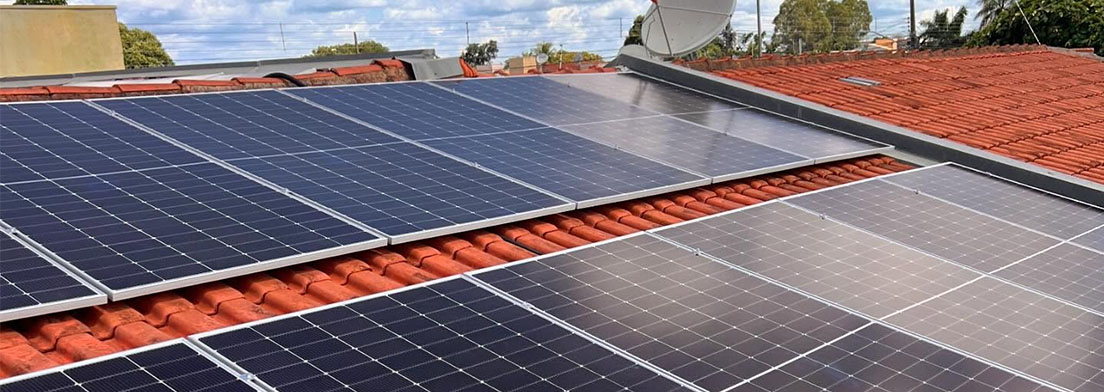
Understanding Solar Roof Hooks
A solar roof hook is a mounting accessory designed to attach solar panels to the roof structure securely. Typically made from high-strength stainless steel (such as SUS 304), these hooks are known for their durability, corrosion resistance, and load-bearing capacity. They are compatible with a wide range of roofing materials, including tile roofs, and shingle roofs.
Functions and Purpose
Structural Support: The primary function of a solar panel roof hook is to provide a stable and secure attachment point for the solar panel mounting system.
Load Distribution: By evenly distributing the weight of the solar panels, the hooks help prevent damage to the roof and ensure the longevity of the installation.
Flexibility and Adjustability: Many adjustable solar roof hooks allow for height and angle adjustments, making them ideal for installations on uneven or sloped roofs.
Waterproofing Integrity: Properly designed hooks prevent water leakage and maintain the roof’s integrity.
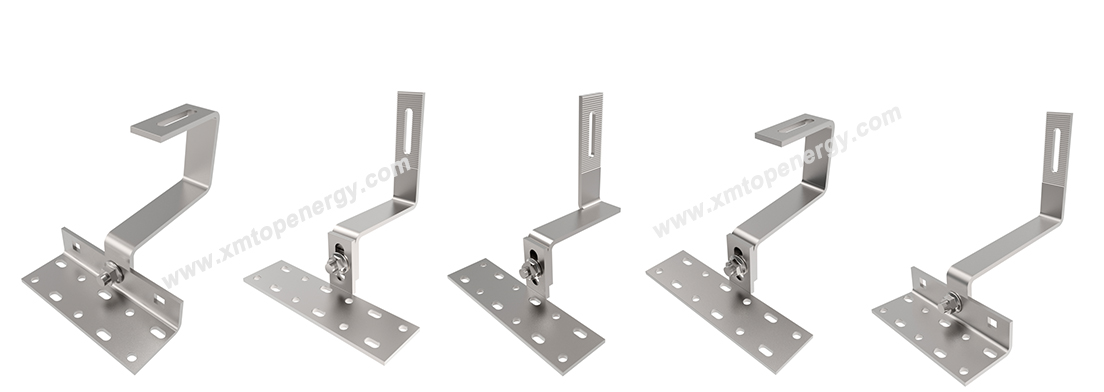
Types of Solar Roof Hooks
Tile Roof Hooks: Specialized hooks that fit under or around curved and flat tiles.
Adjustable Solar Roof Hooks: Allow height adjustments to accommodate roof irregularities.
Slate Roof Hooks: Suitable for delicate and brittle slate tiles.
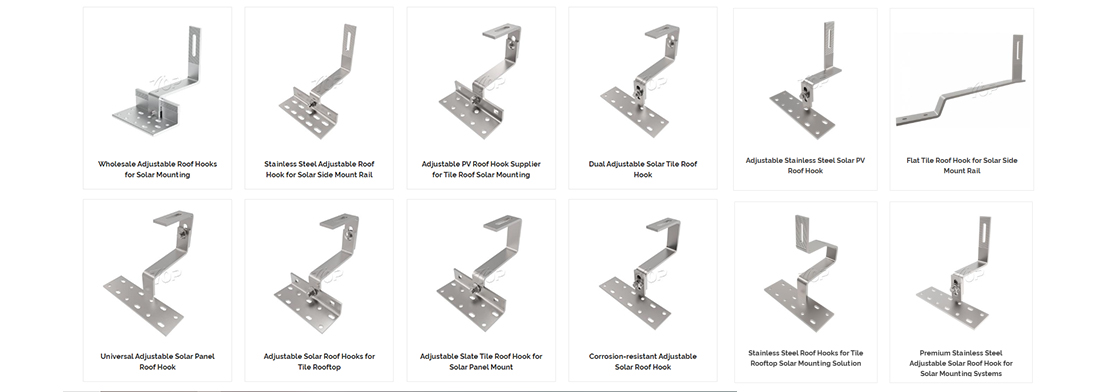
Key Benefits of Using Solar Roof Hooks
Enhanced Stability: Securely fastens solar panels, preventing movement during high winds or heavy snow loads.
Compatibility with Most Rails: Supports popular H-shaped aluminum rails and other rail systems.
Quick Installation: Pre-assembled options and pre-drilled holes improve installation efficiency.
Longevity and Durability: Made from stainless steel 304, providing excellent resistance to corrosion and environmental stress.
Challenges and Considerations
Roof Type Compatibility: Selecting the right hook for the specific roofing material is crucial.
Load-Bearing Capacity: Ensuring the hook can handle the weight of the solar panels and withstand environmental forces.
Proper Installation: Incorrect placement can lead to roof damage or water leakage.
Conclusion
The solar roof hook is an indispensable component in a solar panel mounting system, providing structural support, flexibility, and durability. By choosing the right type of hook and ensuring proper installation, solar installers can maximize the efficiency and lifespan of the solar energy system. Whether for residential solar installations or large-scale commercial projects, investing in high-quality solar roof hooks is key to a successful and long-lasting solar solution.
In the rapidly growing solar energy industry, FRP solar walkways for rooftops have become an integral part of solar panel installation and maintenance. These walkways are specifically designed to provide safe and durable access to solar panels installed on rooftops, ensuring both the safety of workers and the longevity of the solar system.
What is an FRP Solar Walkway?
FRP (Fiber Reinforced Plastic) solar walkways are lightweight, corrosion-resistant pathways installed on rooftop solar mounting systems. They are engineered to offer a stable and non-slip surface for technicians to access solar panels during installation, maintenance, and inspection.

Key Features and Benefits
Durability and Strength: FRP material is known for its high strength-to-weight ratio, making it ideal for supporting heavy foot traffic without damaging the roof or the solar panels.
Corrosion and Weather Resistance: Unlike traditional metal walkways, FRP walkways are resistant to corrosion from moisture, UV exposure, and harsh environmental conditions, making them ideal for rooftop solar systems in various climates.
Enhanced Safety: The non-slip surface reduces the risk of accidents, while the raised design prevents damage to the roof membrane and allows for proper water drainage.
Easy Installation and Maintenance: FRP solar walkways are lightweight and modular, making them easy to transport and install. Their low-maintenance nature reduces long-term operational costs.
Compatibility with Various Solar Mounting Systems: These walkways can be easily integrated with different types of solar panel mounting systems, including metal and tile roof installations.
Why Are FRP Solar Walkways Essential for Rooftop Solar Systems?
Worker Safety: Providing a secure and stable platform minimizes the risk of falls and injuries.
Protecting the Roof Surface: Prevents damage to the roof membrane caused by foot traffic and heavy equipment.
Optimizing Solar Panel Performance: Allows technicians to efficiently clean and maintain solar panels without obstruction.
Compliance with Safety Standards: Meets industry safety regulations and guidelines for rooftop solar installations.
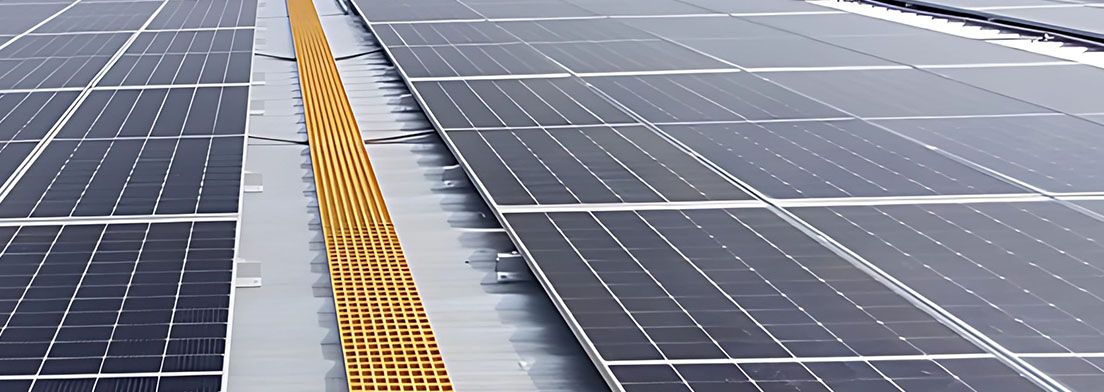
Applications of FRP Solar Walkways
Commercial and industrial rooftop solar installations
Residential solar panel systems
Utility-scale solar projects with flat or sloped roofs
Conclusion
Investing in an FRP solar walkway for rooftop solar systems is crucial for enhancing safety, protecting the integrity of the roof, and ensuring the efficient performance of solar panels. With its durable, corrosion-resistant, and easy-to-install design, FRP solar walkways are the perfect solution for safe and effective solar system management.
Looking for high-quality FRP solar walkways? Contact us today for more information and a customized solution for your solar project!