Product Spotlight | Cleaning Robot Solar Carport Mount

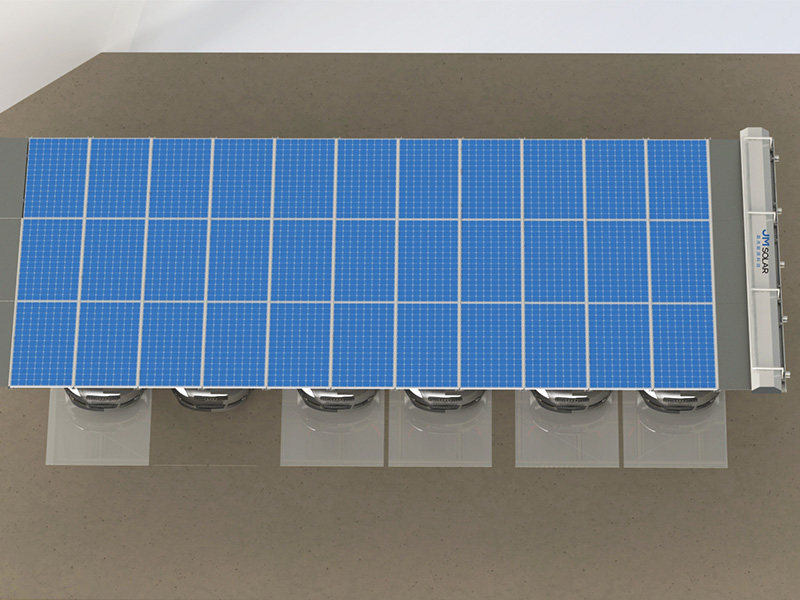
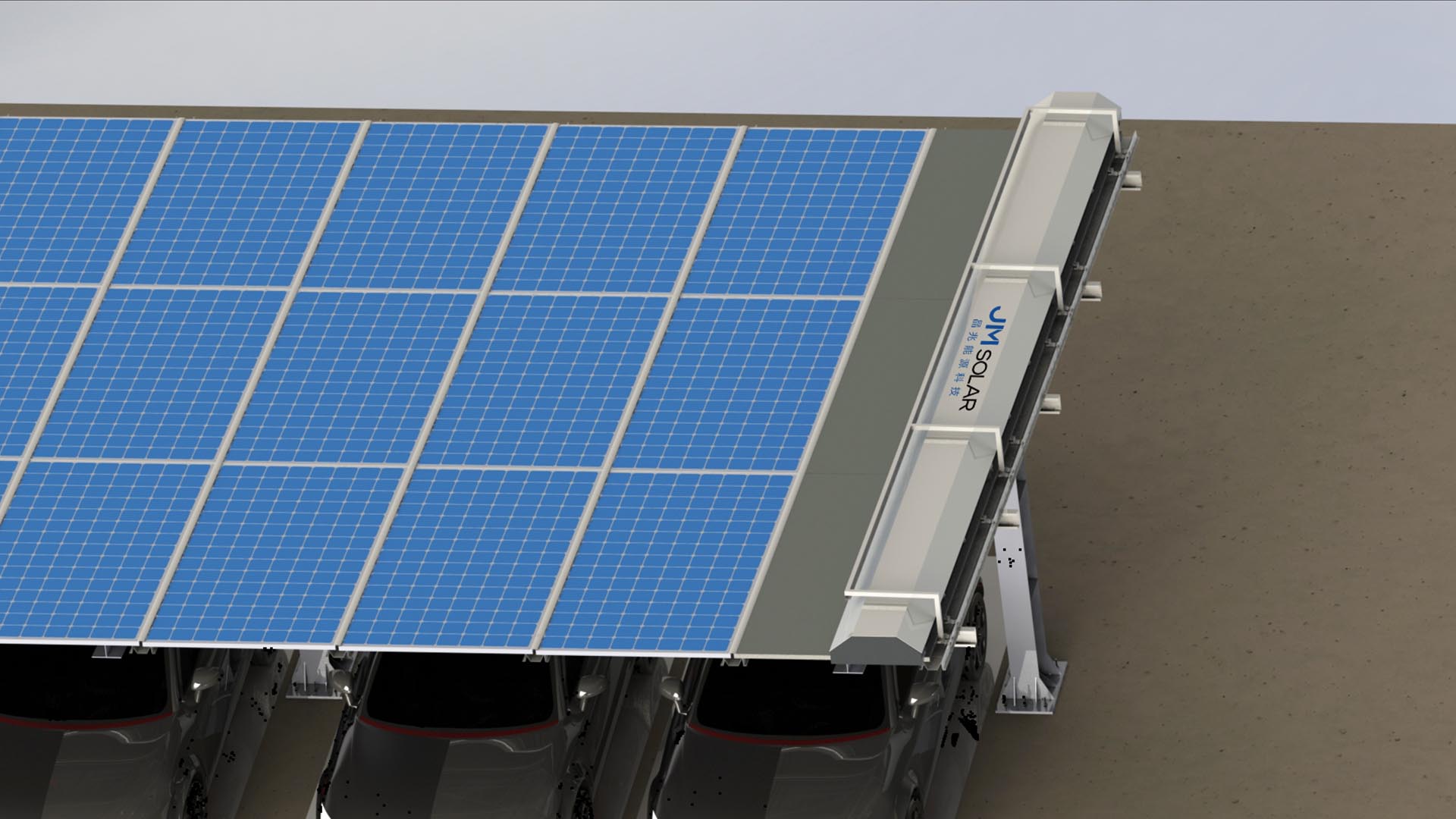
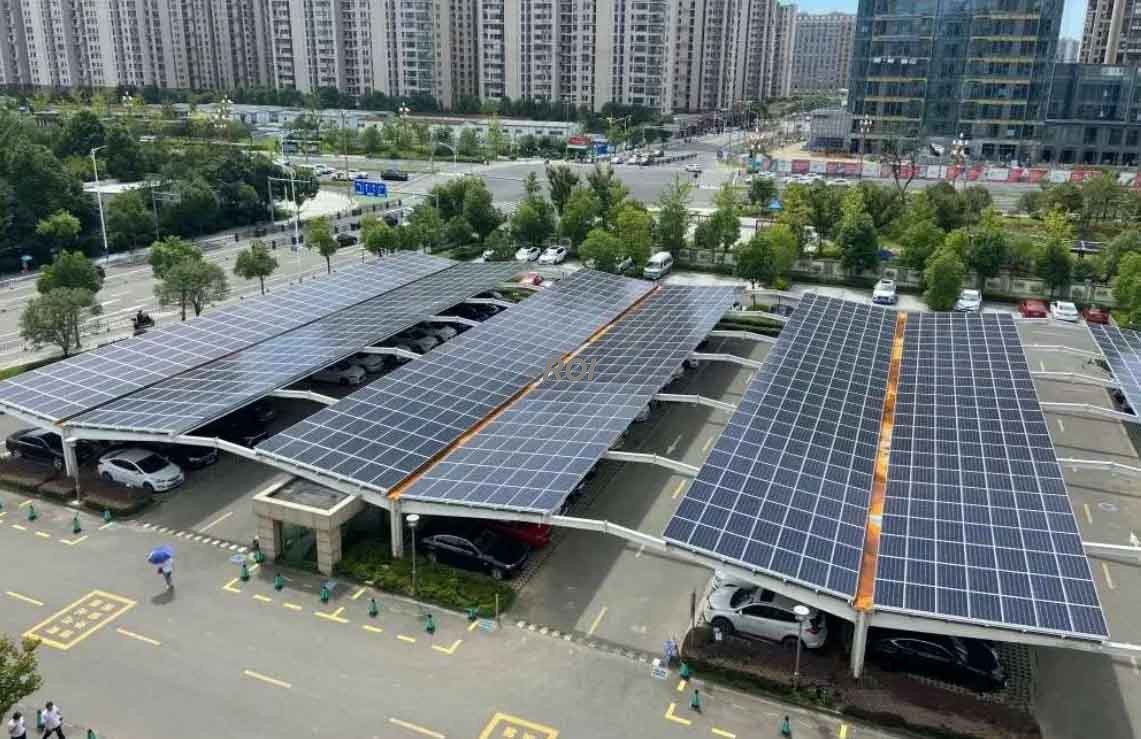
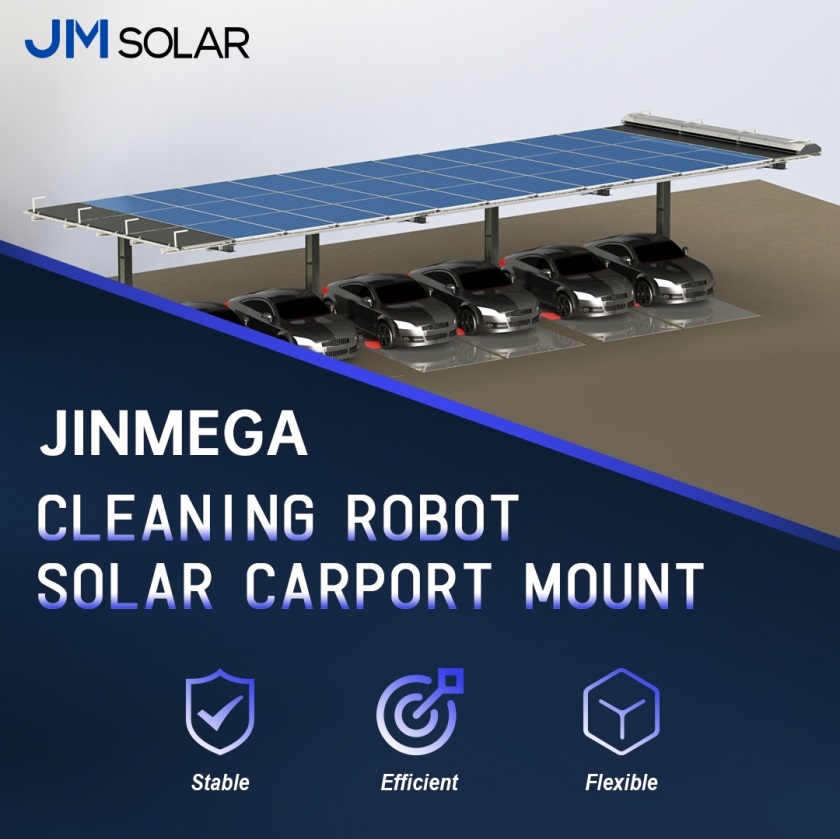
We’re excited to share JinMega’s latest update, a solar carport mounting solution made specifically for cleaning robots. It’s designed to solve the real challenges of keeping modern carports clean. By running detailed structural checks and simulating how the robot moves, we’ve fine-tuned the roof slope, guide-rail spacing, and panel layout to help the robot move smoothly and work more efficiently.


Key Features

· Built with corrosion-resistant materials and a BIPV waterproof structure to enhance durability and protect the system over the long term.

· Designed for easy installation and, when paired with cleaning robots, helps boost overall power generation efficiency.

· Compatible with multiple robot models, providing flexibility to meet different cleaning requirements.


Our design optimizes the roof slope, guide-rail clearance, and component spacing to support stable walking routes and consistent cleaning performance, while the integrated docking and turning stations ensure seamless robot operation from start to finish.


JinMega continues to drive the future of solar carport innovation. Explore more about our solar mounting solutions at www.jinmegasolar.com


Product Spotlight | JinMega Container Solar Mounting System

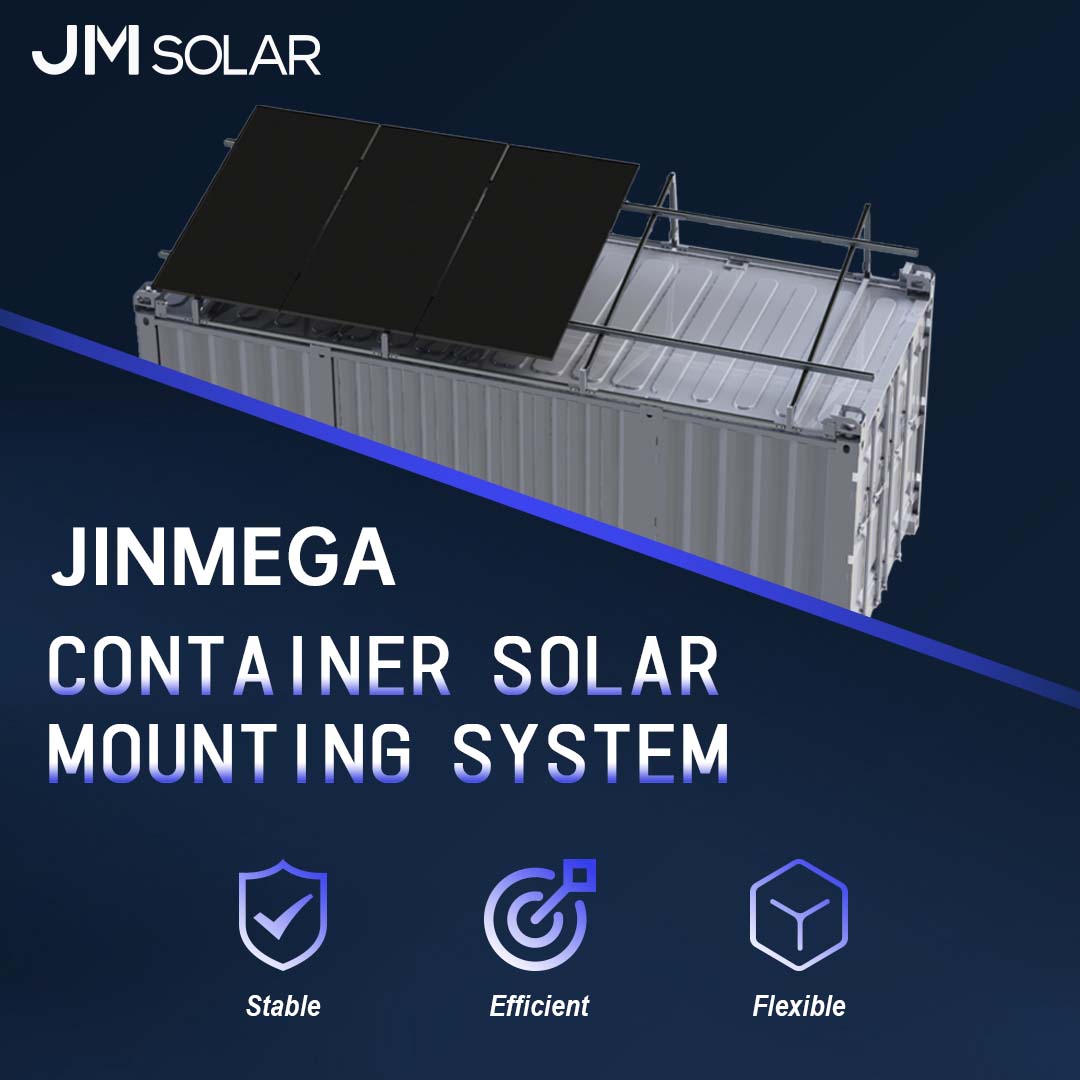
We’re excited to introduce JinMega’s latest innovation — the Container Solar Mounting System, designed for easy top installation on 20-inch containers. This solution is now being widely promoted and applied in independent microgrid projects across remote areas, offering a reliable and flexible way to harness clean energy anywhere.


Key Features:

• Stable — Made of Q355 + ZAM, ensuring high structural strength and exceptional corrosion resistance.

• Flexible — Adjustable installation angle between 0°–30°, customizable for different container sizes and layouts.

• Efficient — Modular design with bolt-fixed connections, allowing quick assembly in just a few simple steps.


The system uses twist-lock fixation to securely connect the mounting base with the container, minimizing damage from potential relocation and ensuring long-term stability. Discover more about our innovative solar mounting solutions: visit our website here www.jinmegasolar.com

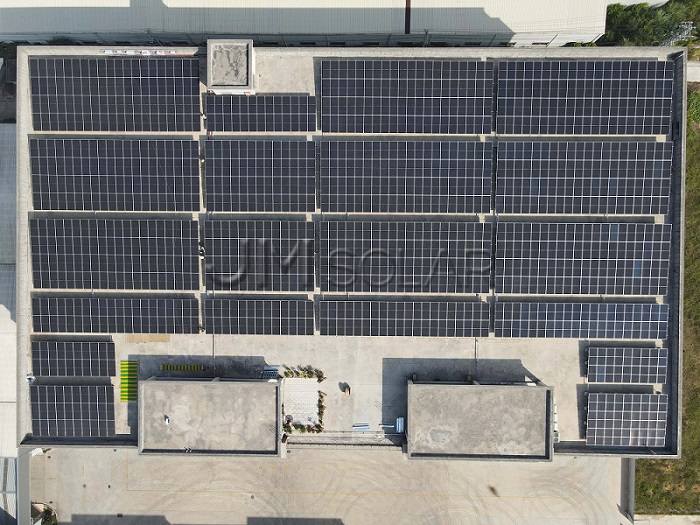
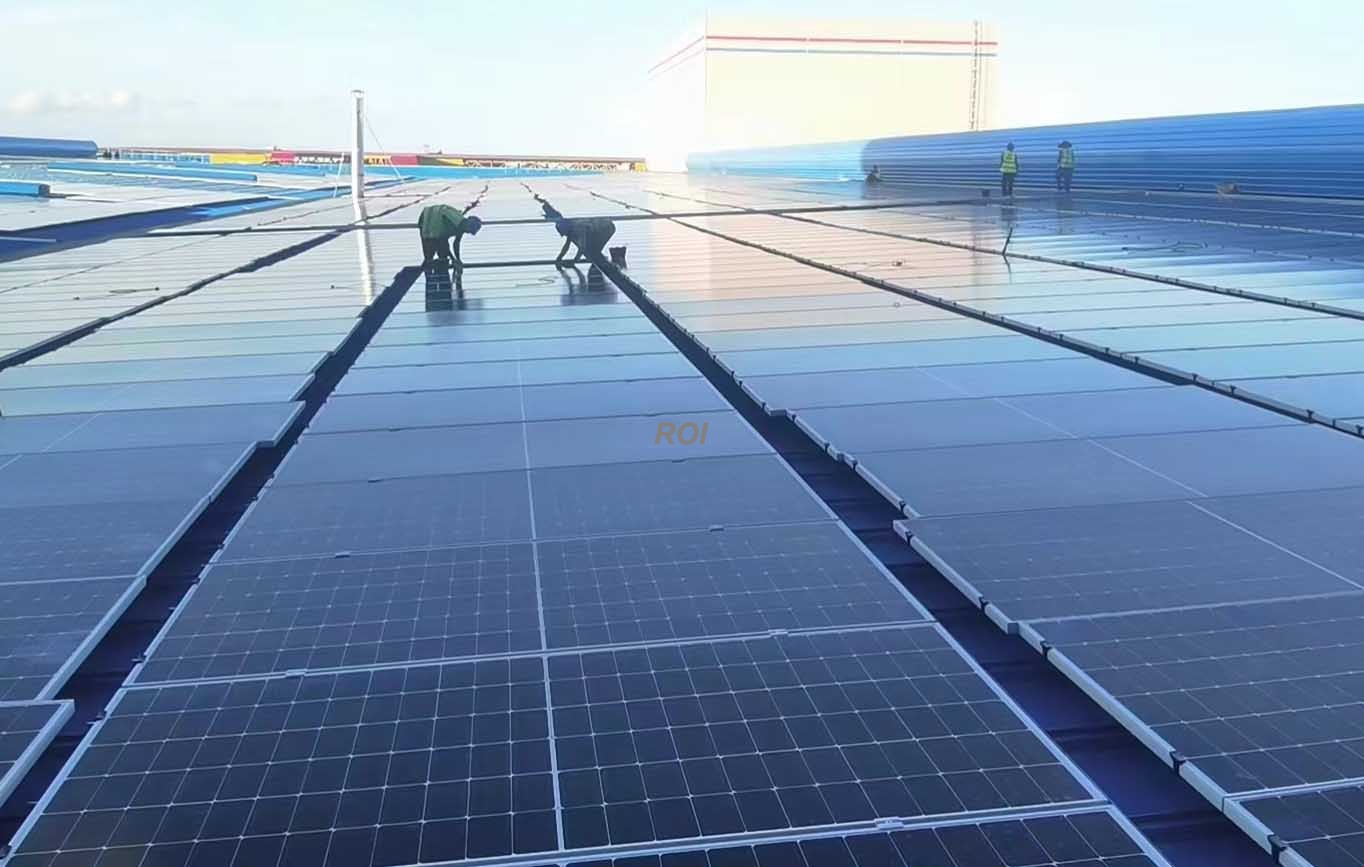
Project Update | 580kW Solar Rooftop Mounting System in Zhangzhou, Fujian

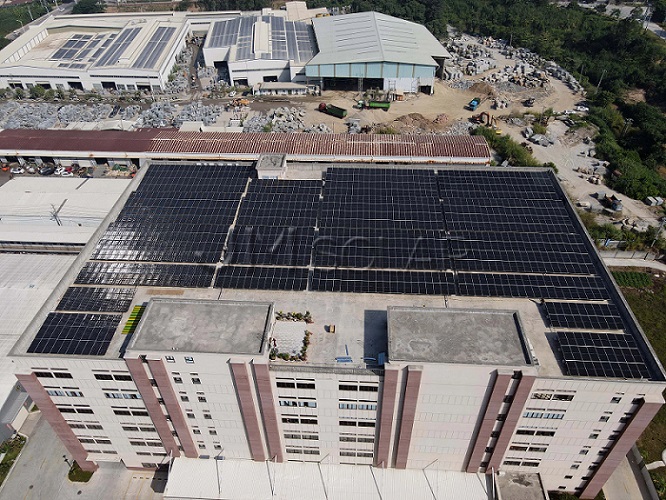
We’re proud to share JinMega’s latest rooftop solar project, a 580kW installation in Changtai, Zhangzhou. Designed for flat industrial roofs, this project demonstrates how strength and adaptability can work together to achieve both reliability and efficiency.


Built with JinMega’s solar rooftop mounting system, the installation delivers solid structural stability and optimized load distribution, ensuring secure performance while keeping the roof intact. The modular design enables fast, hassle-free assembly, while corrosion-resistant materials safeguard long-term durability under the coastal climate.


Discover how JinMega’s rooftop solutions make solar integration simple, strong, and sustainable. Click here www.jinmegasolar.com


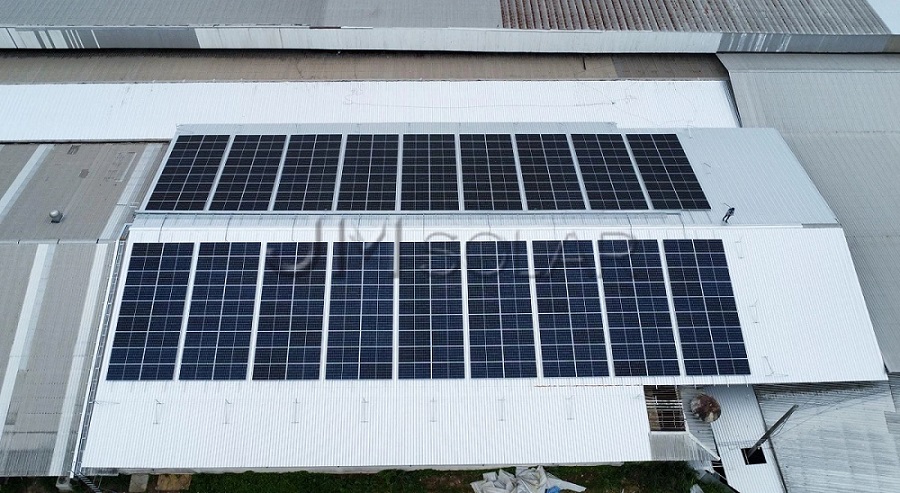
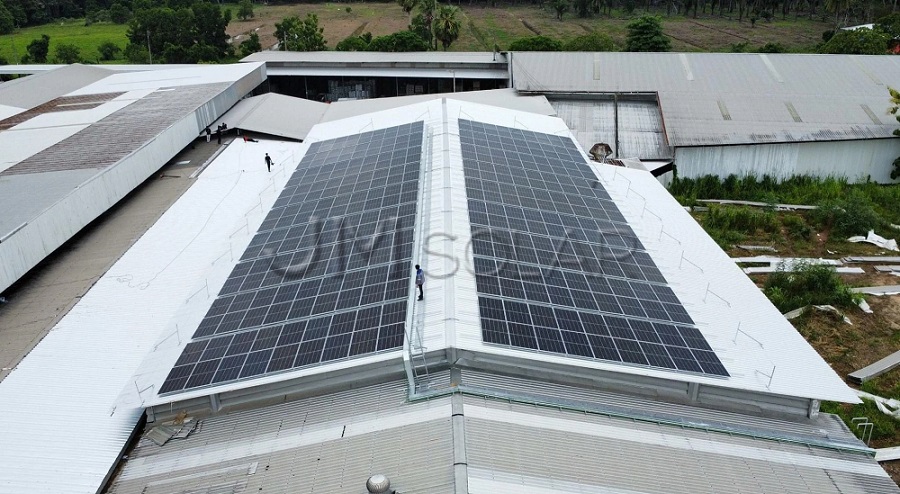
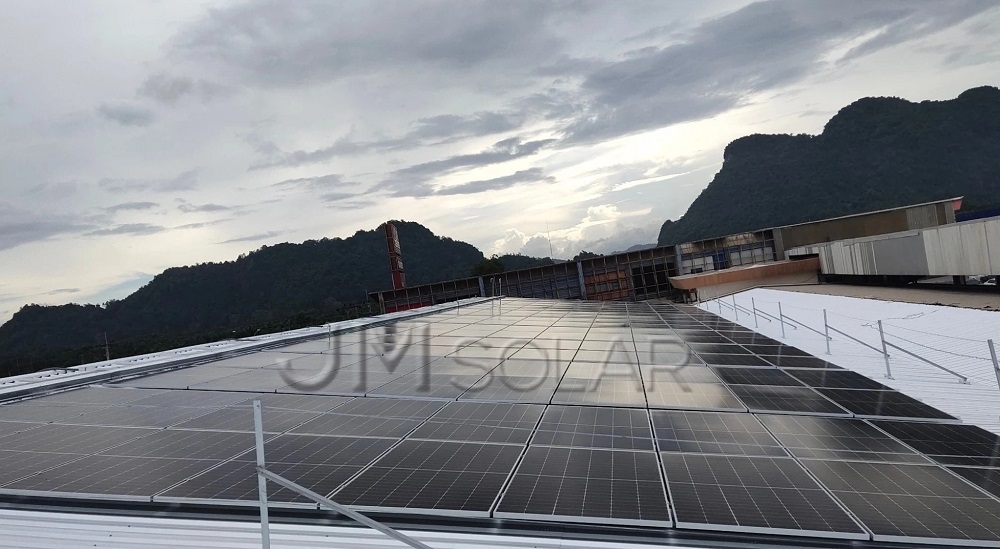
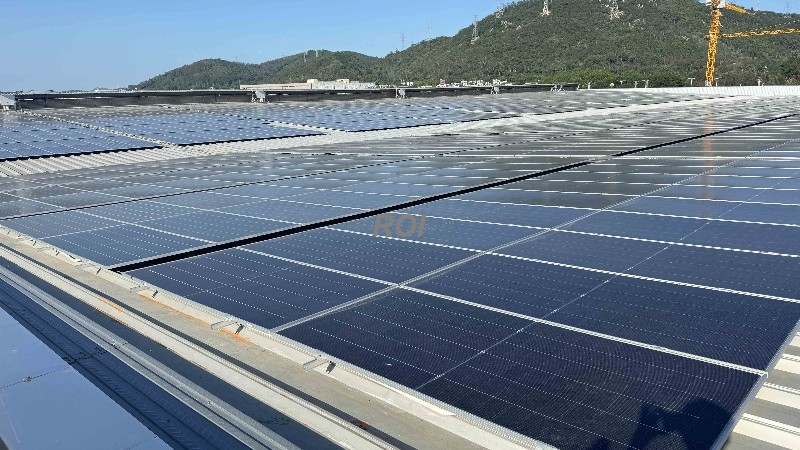
Project update | Thailand Rooftop Solar Mounting System in Thailand

We’re excited to share one of JinMega’s latest success stories — a 320kW rooftop solar project in Thailand, where our innovative mounting system delivers both strength and efficiency under the tropical sun.


- Built with high-strength foundation, our system stands firm against time and weather, ensuring lasting performance. 

- Fewer components, faster installation. Every detail is designed to save time without compromising quality. 

- Adaptable to different roof types, easily customized to meet diverse project needs. 


From design to installation, JinMega makes every rooftop shine brighter with clean energy. Discover more here www.jinmegasolar.com


JinMega Agriculture Solar Mounting Systems Collection

1. Unlocking the Future of Agrivoltaics

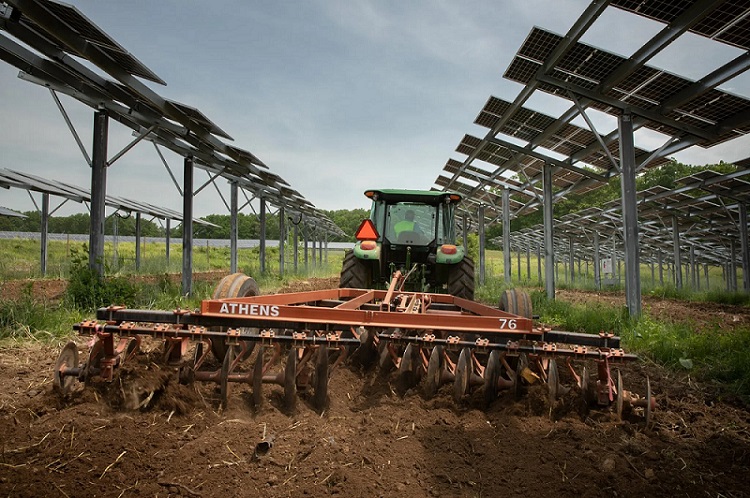
Agri-PV is more than a technology — it is a revolution in land use. By combining solar energy with agriculture, JinMega’s systems enable farmers to “Harvest the Sun Twice”, maximizing farmland productivity and creating sustainable value. 


Core Benefits for Agriculture:

Efficient Land Use - Solar panels and crops share the same land, increasing output without extra acreage.

Reduced Energy Costs - Power irrigation, greenhouses, and equipment with clean solar energy, lowering long-term costs.

Crop Protection - Panels shield crops from hail, frost, drought, and excessive heat, stabilizing yields.

Livestock Well-being - Provides shade for animals, reduces heat stress, and promotes healthier breeding environments.


2. Empowering Agriculture with a Full Spectrum of Agrivoltaic Solutions

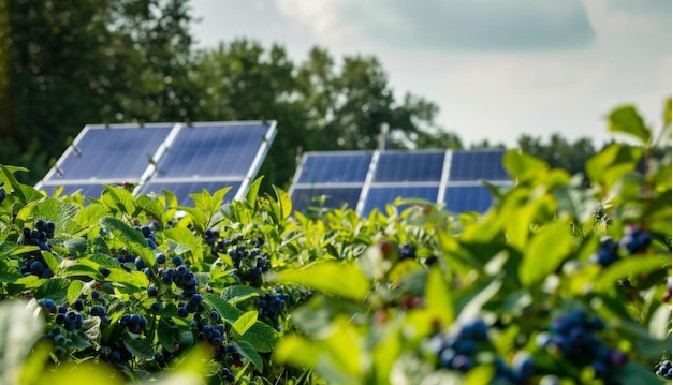
JinMega not only offer a single, standardized product. Instead, it provides a portfolio of adaptable systems tailored to crops, terrain, and climate conditions. These four core solutions are the foundation of our mission: Harvest the Sun, Twice as Much. 
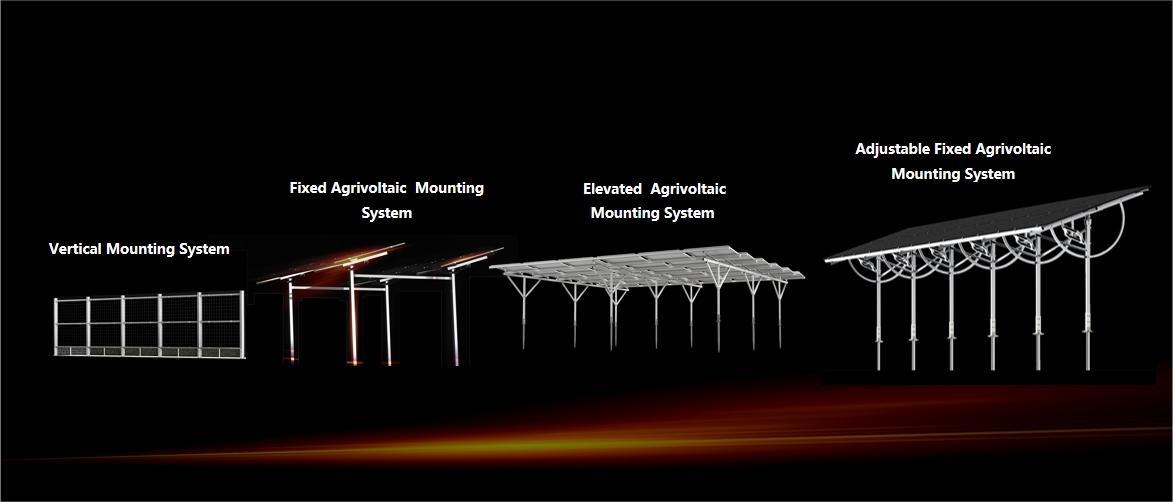


3. Innovation in Action: Four Signature Agrivoltaic Systems

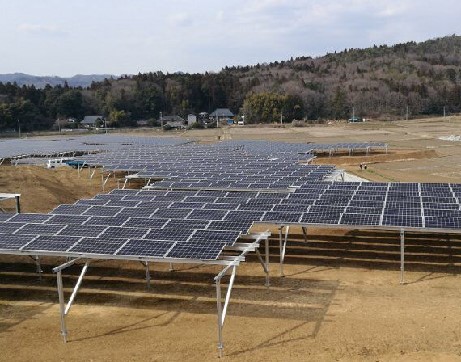
3.1 Fixed Agrivoltaic Mounting System 


Built with Zn-Al-Mg steel, this system combines durability with lightweight design, delivering strong resistance to wind and snow while ensuring long-term reliability. Its flexible configuration adapts to crop shading needs and agricultural machinery, making it suitable for diverse farming environments. 
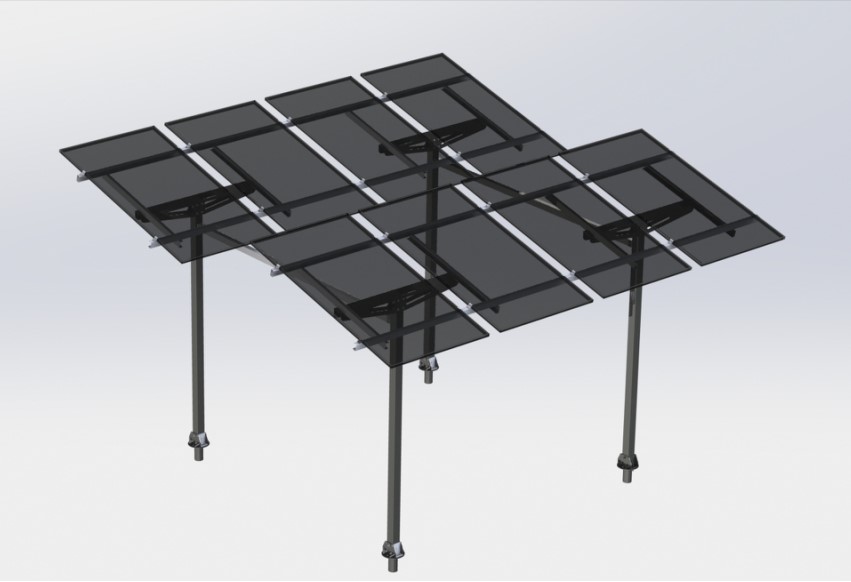


- Two-Step Fast Installation

With its factory pre-assembled design, the system enables two efficient installation options that reduce labor needs by 30%. 

Unfold the pre assembled structure, quickly pull up the mounting, and gradually complete the top installation part or install all solar module, components, and other structures on the ground before pulling them up. 


Customized Design for Every Farm

Whether blueberry fields in Japan or strawberry farms across Asia, JinMega offers tailored shading ratios (60%–70% transmittance) to optimize growth conditions while ensuring maximum power generation. This flexibility allows farmers to adapt solar designs to specific crop needs, increasing both crop quality and project returns.
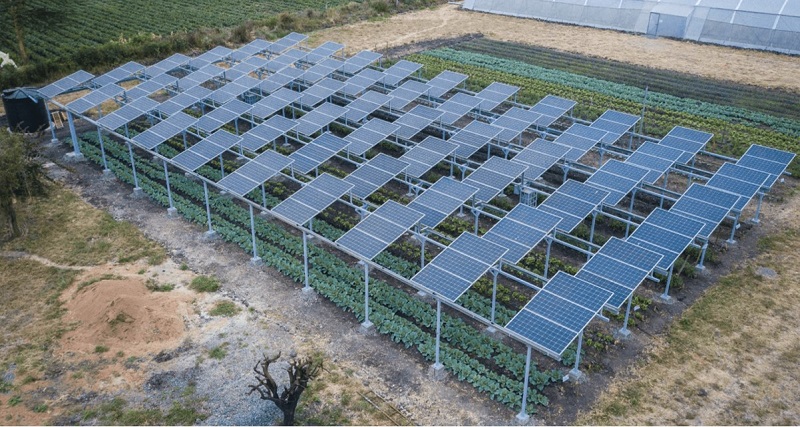


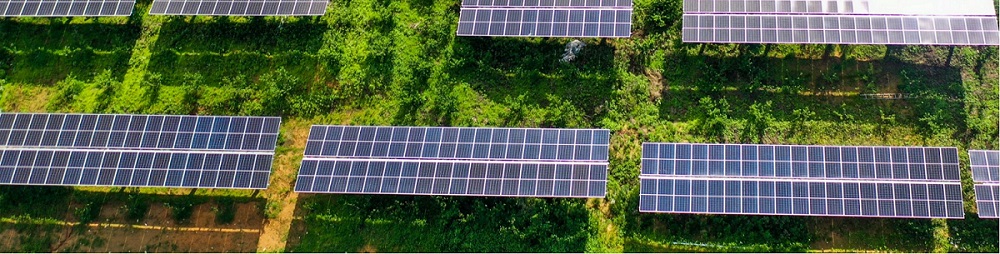
3.2 Fixed Adjustable Agrivoltaic Mounting System 


This system empowers farmers to adapt solar structures seasonally—maximizing power generation while providing crops with the right amount of sunlight. Made of high-strength, corrosion-resistant materials, it ensures long-term stability even in high-humidity environments, reducing maintenance costs. 
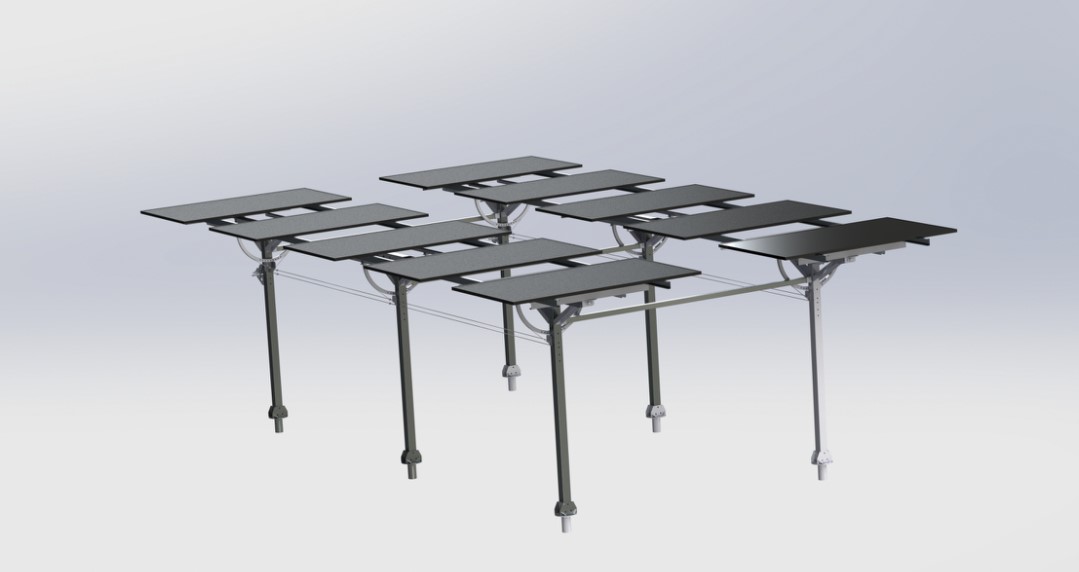


Enhanced Details for Precision Agriculture

Through an innovative manual adjustment mechanism, farmers can rotate and fix panel angles quickly using circular tightening bolts. By adjusting tilt angles to match crop light saturation, the system can boost annual power generation by 5%–8%, improving both profitability and ecological benefits. 


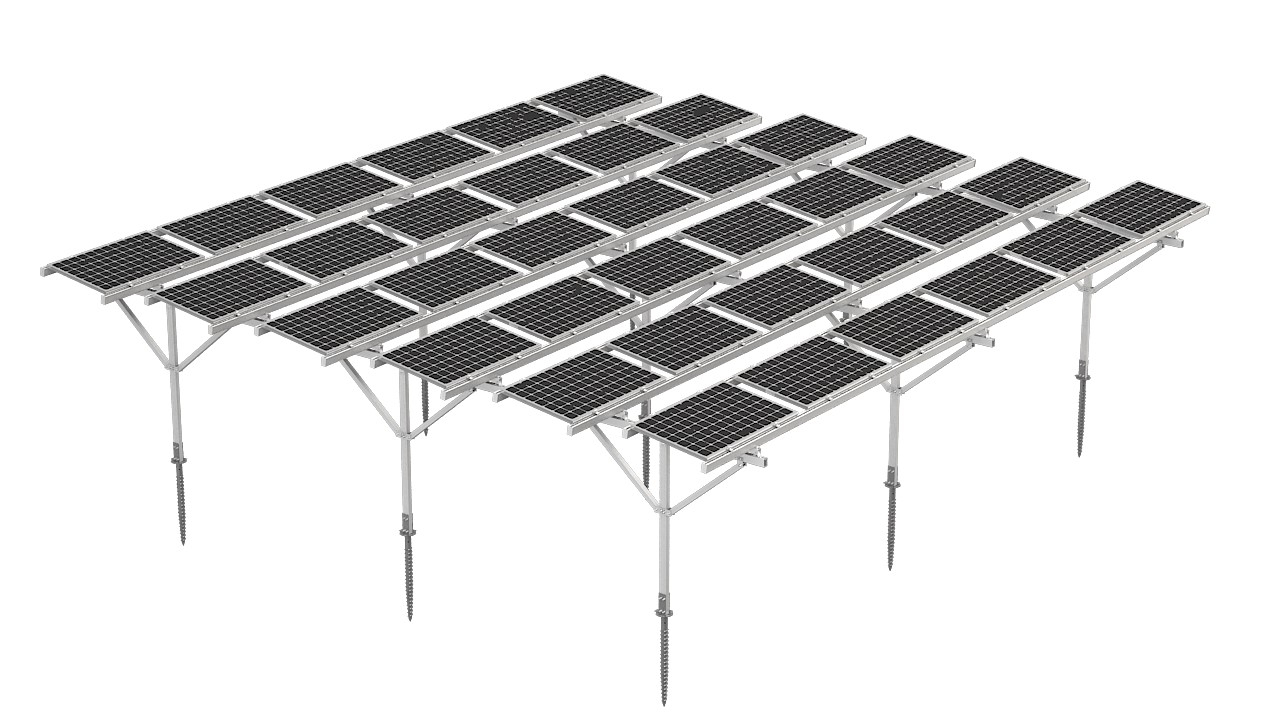
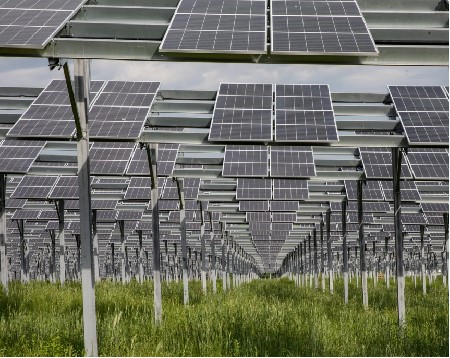
3.3 Elevated Agrivoltaic Mounting System 

The Elevated Agrivoltaic System provides an innovative solution for dual land use, lifting PV modules 2.5–3.5 meters above ground. Made from AL6005-T5 and SUS304 stainless steel, it withstands extreme conditions like heavy snow and typhoons. 


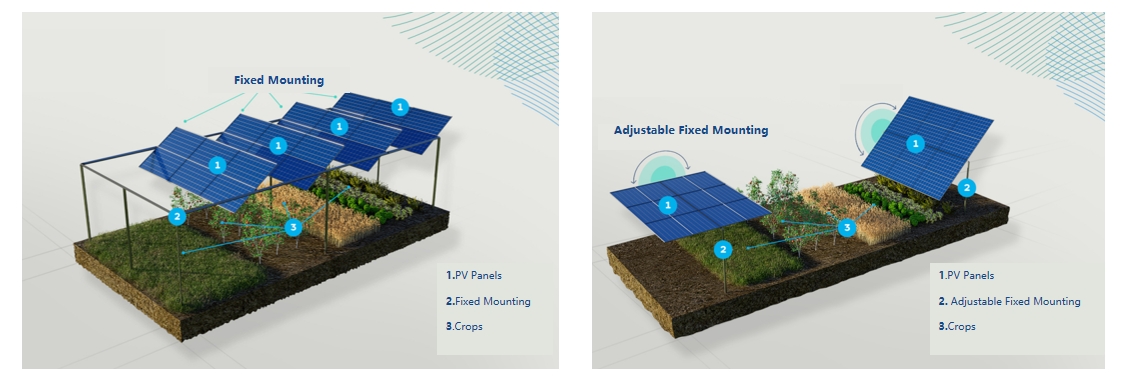
- Application Scenarios at a Glance

The system features quick angle adjustments from 0°to 30°, allowing seasonal tilt optimization. With row spacing adjustable between 6–20 meters, it ensures sufficient light transmission for crops and easy access for agricultural machinery.

·Fixed Mounting Layout – Ideal for consistent conditions.

·Adjustable Mounting Layout – Flexible design for crop-specific needs.


3.4 Vertical Mounting System 

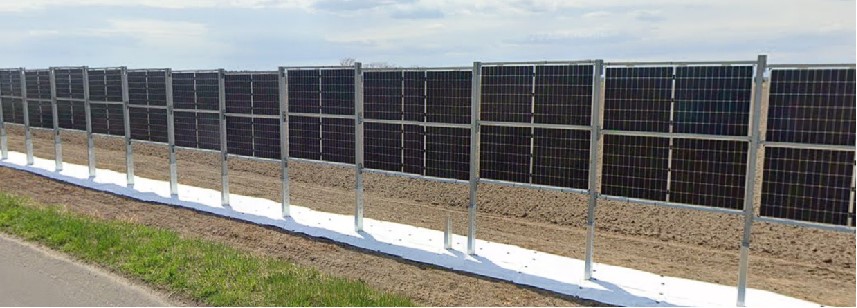
JinMega’s Vertical Mounting System revolutionizes solar farming by optimizing land use while seamlessly integrating with different industries. Designed for versatility, it performs exceptionally well in agrivoltaics, high-latitude regions, and challenging terrains—delivering maximum returns on both land and energy.
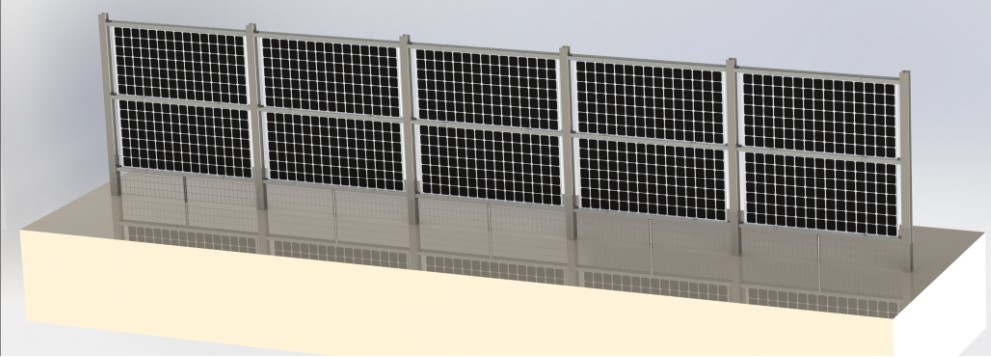


- Valuable Power from Existing Spaces

Efficient Land Use – Vertical design reduces land occupation and maximizes farmland utility while leveraging electricity price differentials.

Harnessing Reflected Light – Captures ground-reflected and diffused light for higher energy yield.

Superior Maintenance – Naturally minimizes snow and rain coverage, lowering O&M costs. 
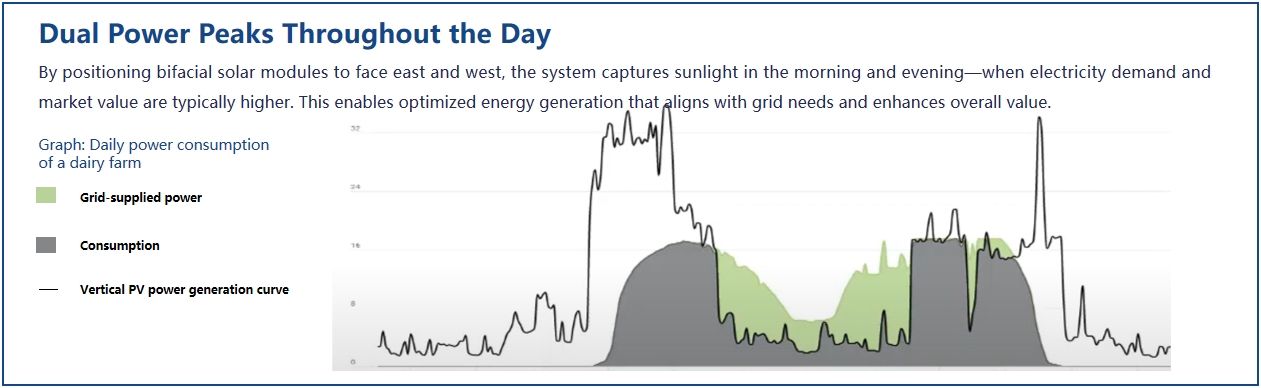


- Versatile Application Scenarios

·Adaptable row spacing (6–20m) and customizable orientation.

·Supports single or multi-row installations.

·Can be adapted into solar-powered fences with mesh to prevent animal intrusion.
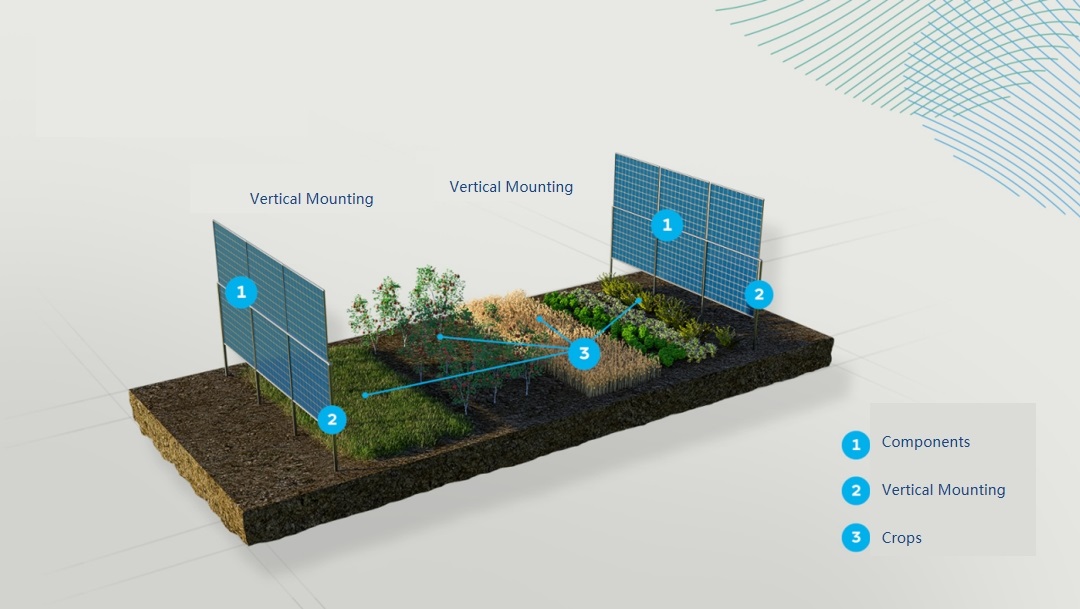


4. From Concept to Field: Real-World Applications

JinMega’s four core agrivoltaic solutions are not just innovative designs - they are real-world answers to the challenges of modern agriculture. By aligning energy generation with farming operations, each system unlocks unique benefits across diverse environments and agricultural models.


Vertical Mounting System – Standout Applications

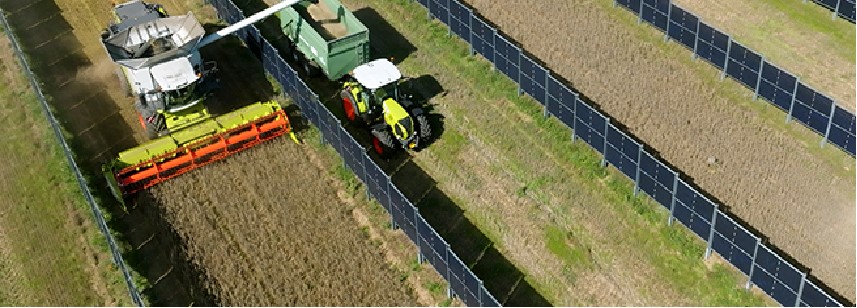
(1) Agrivoltaic Farming Sites

Vertical mounting systems are designed to maximize land-use efficiency. By aligning PV panels vertically, farmland remains fully operational while solar power generation runs in parallel. This setup is particularly beneficial for low-stature crops under 1 meter.

Note: Not recommended for tall-stemmed crops like corn.


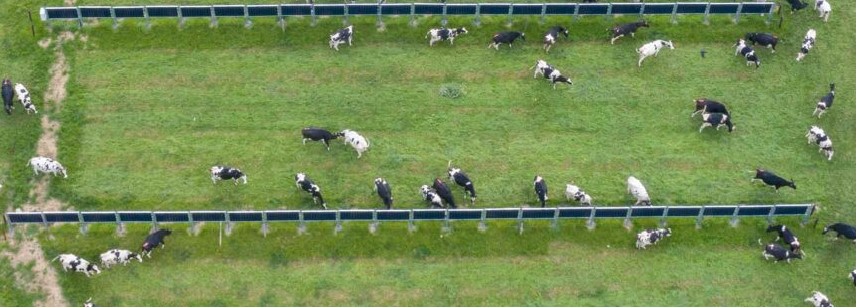
(2) Livestock Applications

In ranching operations, vertical mounting provides consistent clean energy during peak hours in the morning and evening. This ensures the daily power demand of livestock facilities is met, while surplus electricity increases overall ranch income. Additionally, vertical panels can act as natural barriers, improving land management.


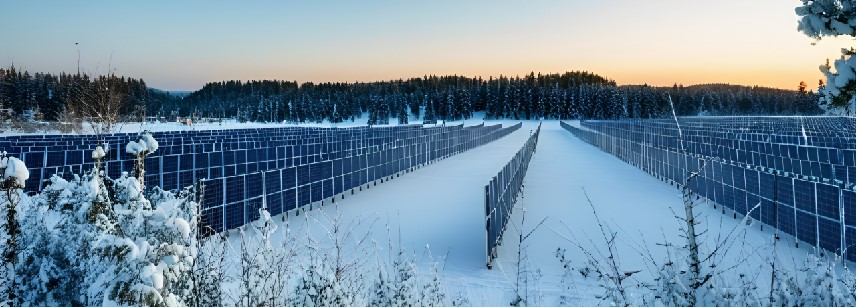
(3) High-Latitude & Heavy Snow Regions

In snowy and high-latitude regions, vertical installations offer exceptional resilience. The upright angle reduces snow accumulation and maximizes exposure to diffused sunlight, maintaining stable power output throughout the year. This makes it a perfect solution for regions like Northern Europe, Japan, and North America.


(4) Highway Corridors & Wasteland Utilization

When installed alongside highways or in otherwise underutilized land, vertical mounting systems serve a dual purpose:

·Functioning as solar-powered fences, improving safety and aesthetics.

·Turning unused corridors and wasteland into productive renewable energy assets.


- Fixed Agrivoltaic System in Action 

Best for farms that prioritize low-cost, stable solar integration with crops like berries and specialty fruits.


- Adjustable Fixed System in Action 

Ideal for seasonal optimization, balancing solar generation with crop light needs to boost yields.


- Elevated Agrivoltaic System in Action 

Perfect for large-scale farms with machinery access, enabling true dual land use for crops, livestock, and solar.


5. Driving the Future of Smart Agriculture

JinMega’s Agrivoltaic Systems are designed to unlock the full potential of dual land use. From vertical innovations that redefine space utilization to elevated solutions enabling seamless farming operations, our portfolio empowers farmers, ranchers, and communities to achieve profitable agriculture and clean energy growth at the same time. 

We are also excited to announce our participation in J AGRI TOKYO 2025, taking place on October 1–3, 2025 in Japan. Stay tuned and meet us at the exhibition to discover the future of agricultural solar solutions. Discover how JinMega can transform your land into a sustainable powerhouse of food and energy. Visit us at www.jinmegasolar.com


Advantages of the Color Steel Tile Roof Support System

1. Superior Load-Bearing Performance:

The color steel tile roof support system of the solar panels standing seam metal roof is meticulously designed and calculated to withstand various forces, including the self-weight of the roof, wind and snow loads, and loads from personnel maintenance.

High-strength steel and a rational structural form ensure that the roof remains stable even under extreme weather conditions, providing reliable safety protection for the people and equipment inside the building.​

2. Outstanding Wind Resistance:

In coastal areas or windy regions, wind resistance is a crucial indicator for measuring the safety of roof structures.

The color steel tile roof support system for the pv panel mounting system effectively enhances the roof’s wind resistance through optimized support layouts and reliable connection methods.

Specialized wind-resistant clips and connectors can firmly secure the color steel tiles, reducing the damage caused by wind suction and minimizing the risk of the roof being lifted off.

3. Convenient Installation and Maintenance:

The prefabricated color steel tile roof support system for the mounting solar panels on a metal roof adopts standardized components and modular design, making the installation process as simple as building blocks.

Construction workers only need to assemble the components according to the design drawings using specialized tools, without the need for complex construction equipment or advanced construction techniques.

This not only improves construction efficiency but also reduces safety risks during construction.

Moreover, since each component of the support system is relatively independent, it is convenient to replace damaged or aged components during later maintenance and inspection.​

      Good Economic Efficiency:

In the long run, the color steel tile roof support system of the mounting systems solar offers high cost-effectiveness.

Although its initial investment may be slightly higher than some traditional roof support structures, its long service life, low maintenance costs, and fast construction speed can effectively reduce the full life cycle cost of the building.

Meanwhile, the lightweight nature of the color steel tile roof also reduces the load on the building foundation, further cutting down construction costs.


Design Key Points of the Color Steel Tile Roof Support System

1. Load Calculation

Accurate load calculation for the carport solar mounting system is the foundation of designing the color steel tile roof support system.

Designers need to comprehensively consider various factors, including the dead load of the roof (self-weight of color steel tiles, insulation layers, waterproof layers, etc.), live load (temporary loads from personnel and equipment), wind load, and snow load.

During the calculation process, national relevant building codes and standards should be strictly followed, and load values should be reasonably determined based on local meteorological conditions and the building’s usage function to ensure that the support system has sufficient safety margins.​


2. Material Selection

The material quality of the support solar carport mounting system directly affects its performance and service life. Steel, and aluminum solar carport as the main material, should be high-quality steel that meets national standards to ensure its strength, toughness, and corrosion resistance.

Common steel grades include Q235, Q345,etc., and different grades are suitable for various load conditions and environmental conditions.

In addition, surface treatment processes such as hot-dip galvanizing and anti-corrosion coating spraying can be used to improve the corrosion resistance of the support system and extend its service life in harsh environments.


Structural Design

A reasonable structural design is the key to ensuring the stability and reliability of the color steel tile roof support system.

During the design process, the layout and form of the supports should be optimized according to factors such as the roof slope, span, and load distribution.

For large-span roofs, spatial truss structures or additional bracing systems can be adopted to enhance the spatial rigidity of the structure.

For roofs with a large slope, the connection between the supports and the color steel tiles needs to be strengthened to prevent the tiles from sliding.

At the same time, the connection method between the support system of the solar carport racking and the main building structure should also be considered to ensure that the loads can be effectively transferred to the building foundation.


How Long Do Solar Roof Mounts Last and What Maintenance Is Required?

When people think about going solar, they usually picture shiny panels soaking up the sun on a rooftop. But there's a less glamorous hero holding it all together: the solar panel roof mounts. It's not flashy, but it's the backbone of the whole operation. And just like any structure exposed to the elements, it brings up two important questions: how long will it last, and what kind of maintenance does it need?


They’re Built to Stick Around – But for How Long?

A well-made solar mounting system, especially one built from high-grade aluminum or stainless steel, can easily last 25 to 30 years, sometimes even longer. In most cases, they’re designed to outlast the solar panels themselves. That said, the real answer is: it depends.


For example, I once visited a site in coastal Florida where salty sea air had started corroding a cheaper steel mount within ten years. On the other hand, a house up in dry Arizona still had perfectly solid mounts after nearly three decades. Environment plays a huge role.


Here are a few things that can influence the lifespan:

Material matters – Aluminum alloys resist corrosion better than standard steel.

Climate counts – If you live in a high-humidity or snow-heavy zone, your mounts take more abuse.

Roof type – A solid concrete roof? Great. Brittle old shingles? Not so great.

Installation quality – This one’s big. A rushed job can create water leaks or structural issues that shorten the life of the entire system.


Do I Need to Maintain My Solar Mounts?

Short answer: a little goes a long way.

They don’t need much, but ignoring them entirely? That’s where problems start. You don't need to climb up there every month, but a yearly or bi-yearly checkup—even just from the ground or using a drone—is smart.


Here’s what to look out for:

Loose bolts or shifting panels – Winds can cause micro-movements over time.

Rust or corrosion – Especially in humid or coastal areas.

Water intrusion – Look inside your attic or ceiling for any signs of leaks near where the mounts penetrate the roof.

Debris buildup – Leaves, dust, and bird nests love to settle near roof brackets.


If you’re unsure, having a solar technician take a look every few years is money well spent. I've seen homeowners save thousands just by catching a loose fastener before it caused bigger roof damage.


Will I Need to Replace Them?

In most cases, you won’t need to touch your mounts when it’s time to replace the panels—unless they’re damaged or incompatible with your new setup. But if you're also redoing your roof, or if the mounts look aged or show clear signs of stress, it may be worth swapping them out too.


There’s no hard rule, but think of it like replacing the soles of your shoes. If the bottom is worn out but the top still looks good, it might still be time for a change.


To sum it all up: solar roof mounts are the quiet workhorses of your solar setup. They're built tough, and with even just a little attention every now and then, they’ll do their job without complaint for decades.

Solar Roof Mounts

Unveiling the Color Steel Tile Roof Support System A Comprehensive Analysis from Structure to Application

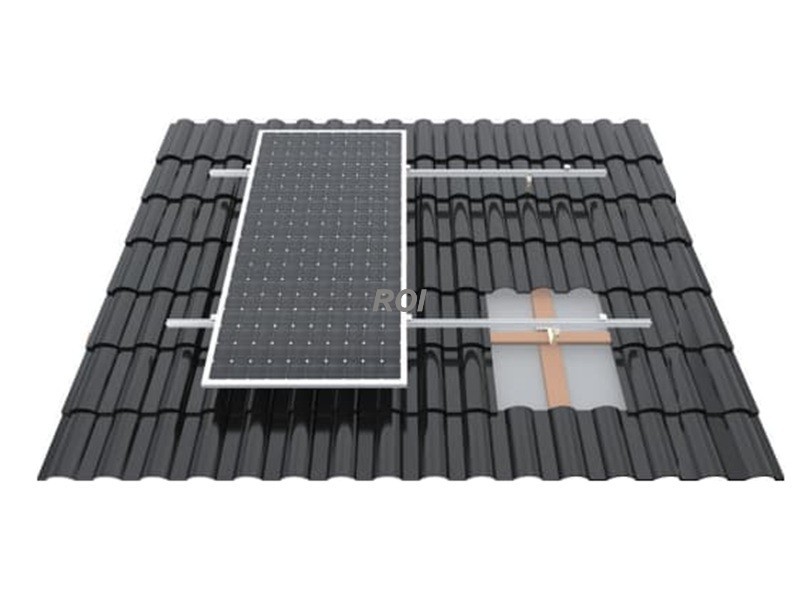
In the realm of modern architecture, roof rack solar panel for color steel tiles have emerged as a popular choice for the roofs of numerous industrial plants, warehouses, and residential buildings, owing to their lightweight nature, aesthetic appeal, and construction convenience.

The color steel tile roof support system, which underpins this “steel exterior,” acts as an invisible guardian of the building’s roof, silently fulfilling crucial roles such as providing stability, bearing loads, and resisting wind forces.

Today, let’s take an in-depth look at this indispensable component of building structures.​


I. Composition and Classification of the Color Steel Tile Roof Support System​

The color steel tile roof support system of  the mounting solar panels is not a single component but an organic whole in which multiple parts work in harmony.

Its core components include main supports, secondary supports, connectors, and fasteners.

The main supports, often made of high-strength steel, serve as the “backbone” of the entire system, primarily responsible for bearing the vertical and horizontal loads of the roof. Secondary supports, similar to “ribs,” cooperate with the main supports to further refine the load transfer path and provide a stable installation surface for the color steel tiles.

Despite their small size, connectors and fasteners play a pivotal “binding” role, firmly connecting each support component to ensure the integrity and stability of the system.​


Based on different application scenarios and design requirements, the color steel tile roof support system of the flat roof pv panels can be classified in various ways.

From the perspective of structural forms, it can be divided into the planar support system and the spatial truss support system.

The planar support system, with its relatively simple structure, is suitable for roofs with a small slope and low load requirements.

In contrast, the spatial truss support system, thanks to its three-dimensional structure, offers greater load-bearing capacity and stability, making it commonly used in buildings with high structural requirements, such as large industrial plants and stadiums.

Additionally, according to different installation methods of the mounting solar panels on roof , it can be categorized into the welded support system and the prefabricated support system.

The welded support system features high connection strength but involves a relatively complex construction process and strict requirements for welding techniques.

The prefabricated support system, on the other hand, has gradually become the market mainstream due to its modular design and easy installation, significantly shortening the construction period and reducing labor costs.​


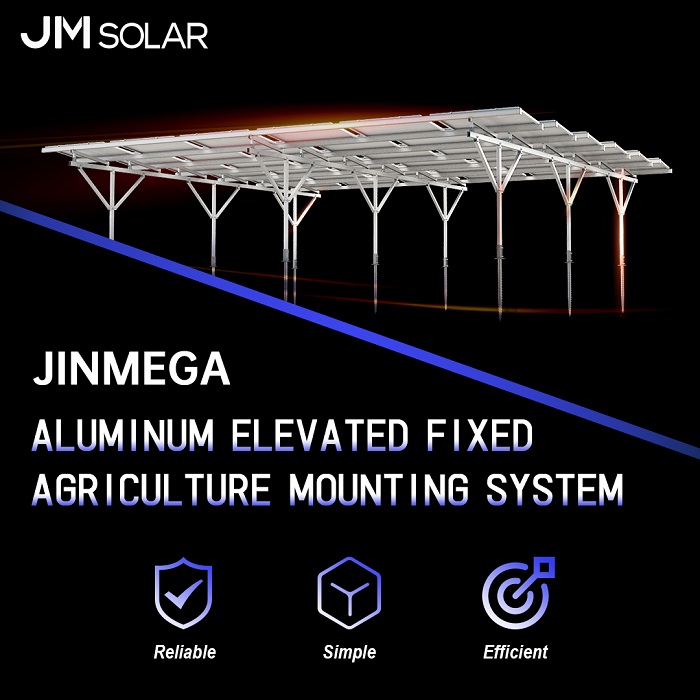
Product Spotlight | Aluminum Elevated Fixed Agriculture Mounting System

At JinMega, we are advancing the application of solar mounting systems in agriculture with innovative designs that maximize both crop growth and solar generation. Our Aluminum Elevated Fixed Agriculture Mounting System supports installation heights up to 3.5 meters, with adjustable triangular frames for optimal sunlight penetration and energy yield. 


Why Choose JinMega?

·High-strength AL6005-T5 & SUS304, resistant to corrosion, snow, and typhoons. 

·Modular design with high factory pre-assembly for quick on-site installation.

·0°–30° single-row angle adjustment for seasonal optimization of crop light and solar output.


We are continuously developing new Agri-PV solutions and will showcase them at J AGRI TOKYO 2025 in Japan on October 1st. Stay tuned for more updates! Discover how JinMega Agriculture Solutions can maximize the synergy between crops and solar, click at www.jinmegasolar.com